
Last updated November 22, 2026
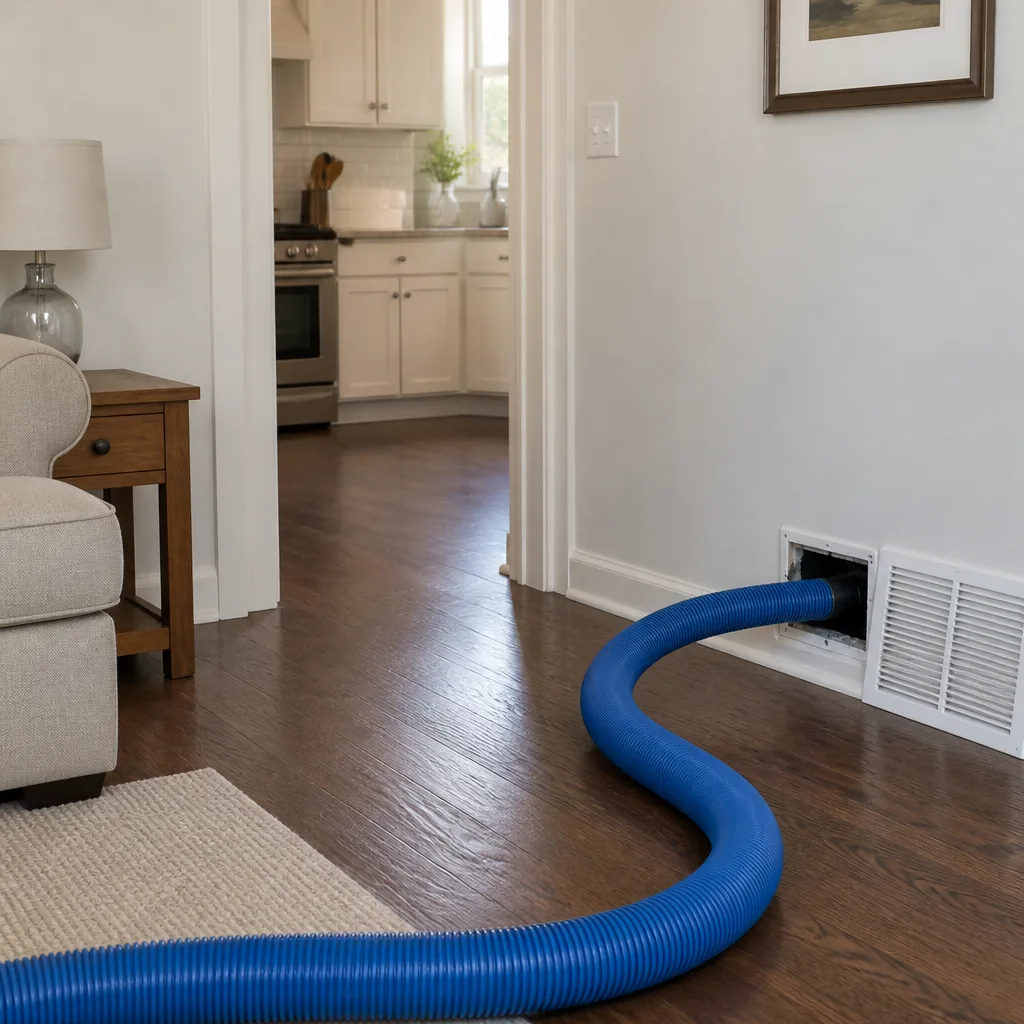 Whole-home duct cleaning
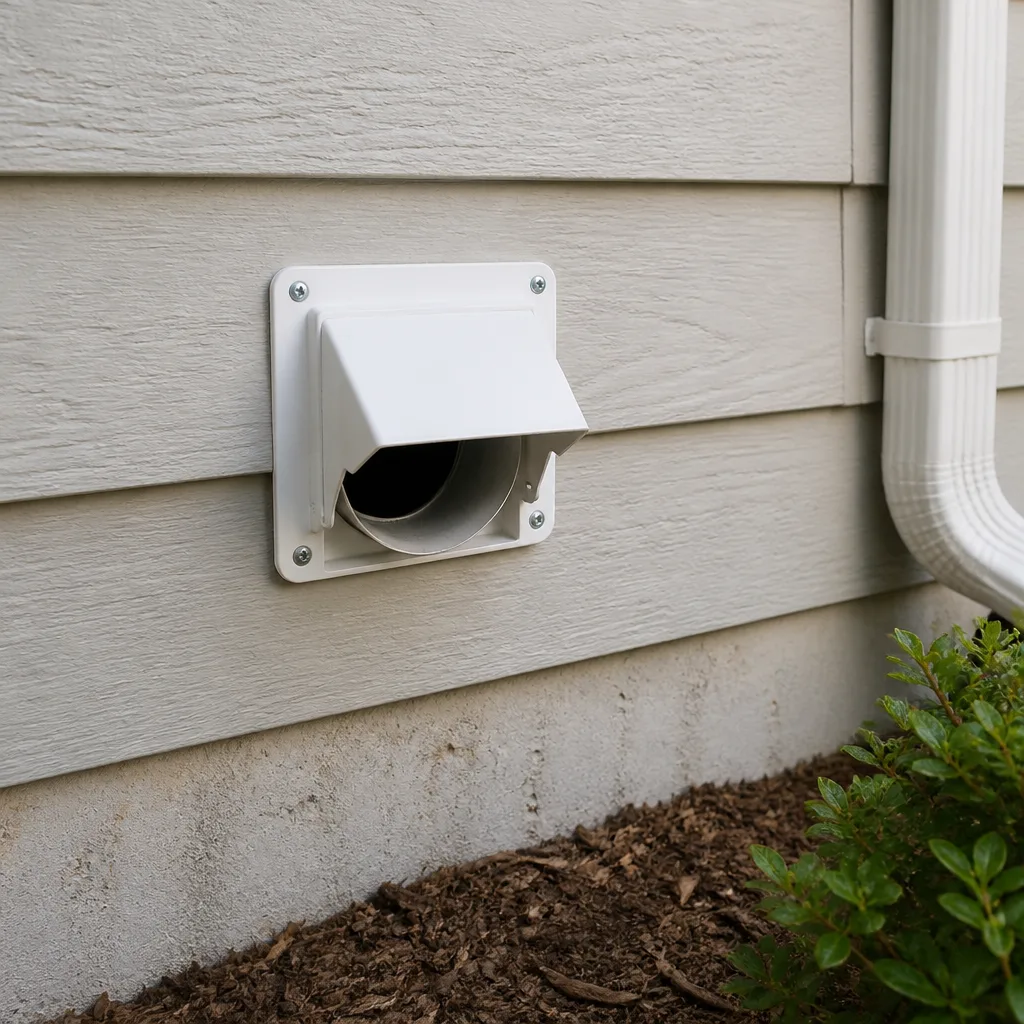 Dryer vent cleaning
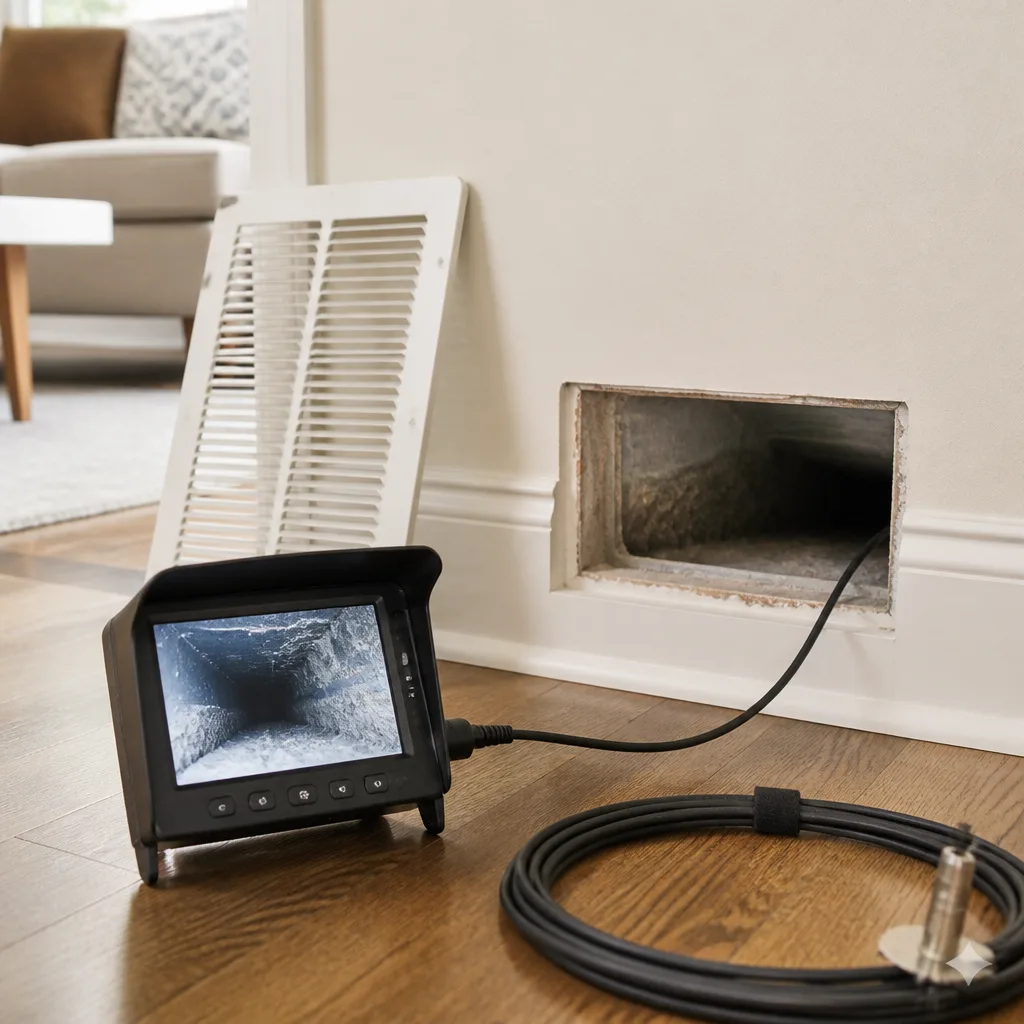 Camera inspection
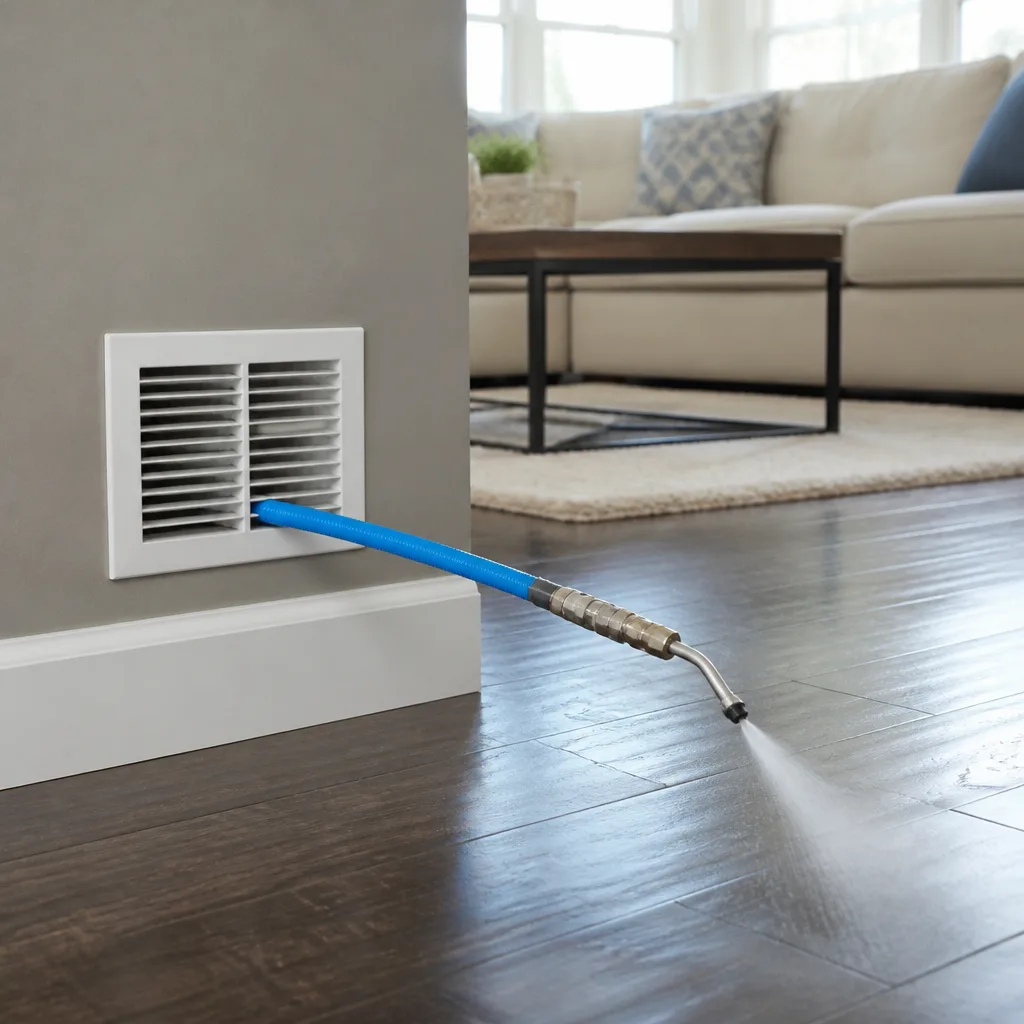 Sanitizing & deodorizing
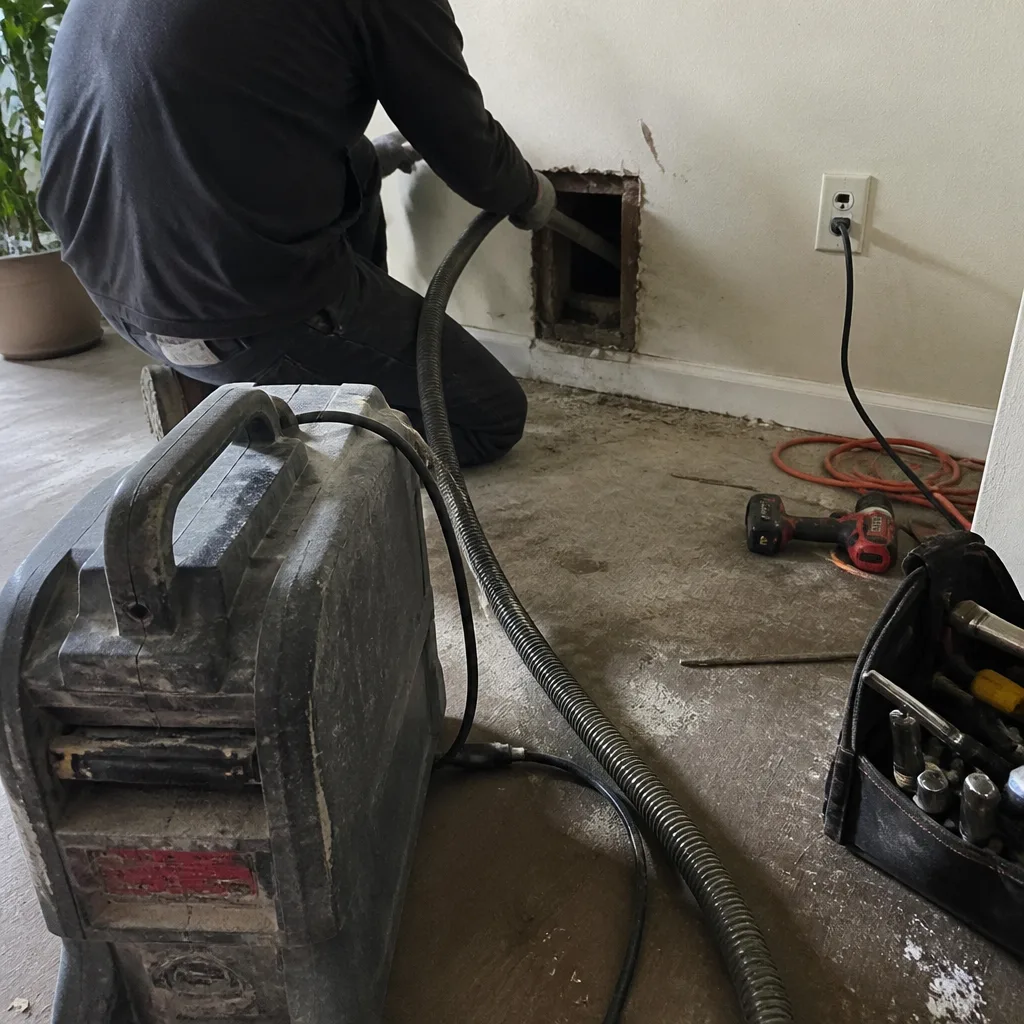
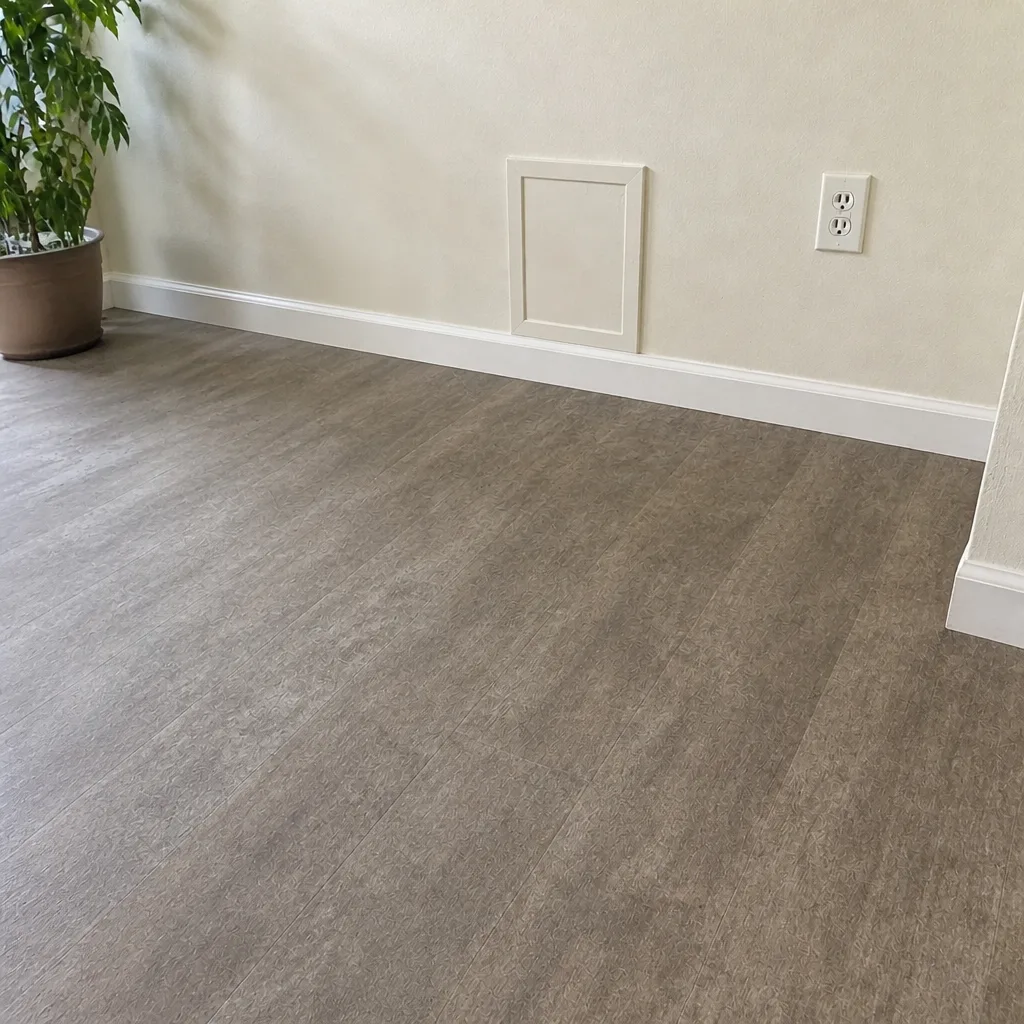
Whole-system duct and dryer vent check with before-and-after photos - you see exactly what came out of your vents
That "$99 whole-house special" is a bait ad - the real number appears once they are in your hallway, or the "clean" is a shop-vac at the register. We photograph the inside of your ducts before and after instead.
Air Duct Cleaning Troubleshooting in Highland Park: Common Problems and How to Fix Them
When a room in your Highland Park home never gets comfortable, the instinct is to blame the air conditioner. The thermostat gets adjusted, the filter gets swapped, and the unit still seems to struggle. Here’s the part worth sitting with: a lot of the discomfort people blame on their HVAC equipment actually starts in the ductwork itself. Collapsed flex runs, pulled-apart trunk connections, and debris-packed registers quietly steal the air your system is working hard to deliver. In this guide we’ll walk through the most common duct problems in Highland Park, how each one shows up as a symptom you can notice from the living room, how to tell a cleaning fix from a repair fix, and how to document what you’re seeing so a technician can triage the call before anyone pulls into the driveway.
Quick Answer
Most duct complaints in Highland Park come down to a short list of mechanical failures: disconnected or crushed flex duct, undersized return ducts in older homes, leaking joints, and heavy debris blocking registers and coils. Matching your specific symptom (weak airflow, uneven airflow, dirty air, or odor) to its likely cause tells you whether you need cleaning, repair and sealing, or both. A free estimate from a company that does whole-system diagnostics will confirm the cause before any work starts.
Styles & brands we work with
- Whole-home duct cleaning
- Dryer vent cleaning
- Camera inspection
- Sanitizing & deodorizing
Table of Contents
- The Symptom-to-Cause Matrix
- Identifying a Disconnected Duct Before You Call
- Why Older Highland Park Homes Have Undersized Returns
- Cleaning Fix vs. Repair Fix: Knowing the Difference
- How to Document Duct Symptoms for Phone Triage
- Tracing Odors to Their Source in the Duct System
- What a Real Whole-System Cleaning Actually Involves
- When to Call a Professional
The Symptom-to-Cause Matrix: What Each Complaint Actually Points To
Four complaints bring most Highland Park homeowners to the phone: weak airflow, uneven airflow, dirty air coming from the registers, and odor. Each one tends to point at a different failure, and lumping them together is how people end up buying the wrong service. Weak airflow across the whole house usually means the supply side is restricted – a crushed run, a closed damper, a coil matted with debris. Uneven airflow, where one room bakes and another freezes, most often traces to a single branch that has failed or a return that can’t keep up. Dirty air from every vent at once suggests the ducts themselves are loaded with debris. Odor is its own category, and it’s the one most often misdiagnosed.
Here’s how the matrix breaks down:
- Weak airflow, every room: restricted supply – crushed flex duct, blocked trunk line, or a dirty evaporator coil. Cleaning helps if debris is the cause; repair is needed if a run has collapsed.
- Weak airflow, one room: a failed branch or a closed balancing damper. Often a single flex connection that’s torn loose in the attic or crawlspace.
- Uneven temperatures: undersized return ducts, a common issue in older Highland Park homes, or a disconnected branch feeding one zone.
- Dirty air from registers: accumulated debris throughout the system, often after renovation work or years without cleaning.
- Odor: microbial growth on the coil or in the ducts, a dead animal in a flex run, or a disconnected return pulling air from an attic or crawlspace.
- Dusty registers with visible buildup: a sign debris is being pushed through rather than circulated clean.
Run through this list honestly before you call anyone. It makes the phone conversation productive. We’ve seen it cut diagnostic time significantly when a homeowner can say “the back bedroom is cold year-round and the register barely moves air” instead of “something’s wrong with my AC.” That specificity points a technician straight at the branch serving that room.
How to Identify a Disconnected Duct Section With a Simple Static Pressure Clue
Here’s a DIY-observable clue that rarely gets mentioned. When a supply duct is disconnected or badly leaking in an attic or crawlspace, the signs show up in places you can watch without opening a single panel. You don’t need a manometer – you need to pay attention.
- Walk the house with a tissue or a piece of thread. Hold it near each register while the system runs. A register blowing weakly when it should be strong, or one that feels like it’s sucking air back in, is a clue.
- Feel the return grilles. Returns should pull a steady, noticeable draw. A return that barely tugs at a tissue is underperforming – often because the return trunk is disconnected or undersized.
- Check the attic or crawlspace yourself, visually only. Flex duct runs that have come apart at the collar, torn, or flopped loose are often visible from the access point. Look, don’t touch.
- Listen while the blower runs. A whistling or rushing sound at a supply register often means air is escaping before it reaches the room – a leak upstream of the vent.
- Compare supply discharge strength room to room. A large drop on one branch relative to others points to that branch being disconnected or crushed.
That last clue is the static-pressure tell. When the pressure inside the trunk drops, air takes the path of least resistance and stalls in some rooms while over-delivering in others. What you feel at the register is the downstream result. Once a technician measures actual static pressure with a gauge, they’ll confirm whether the drop is real and where it starts. Don’t go into an attic or crawlspace to make adjustments yourself – the connections are fragile and the space often has hazards. Flag it and let a trained technician inspect and repair.
Why Undersized Return Ducts in Older Highland Park Homes Mimic HVAC Failure
Highland Park’s older craftsman and Spanish-revival homes were built in an era with a different expectation of comfort and, in many cases, different duct designs entirely. When cooling was retrofitted decades later, the return side often got a single small return grille serving the entire system. The result is a house where the air conditioner seems to strain, air feels weak, and the house takes forever to cool. The equipment looks guilty. The return duct is the actual culprit.
Here’s the mechanism. Your blower pushes a fixed volume of air out. It has to be able to draw that same volume back in. A return that’s undersized starves the blower, drops the airflow across the coil, and pushes supply temperatures out of their efficient range. The system runs longer and cools worse – the opposite of what every thermostat adjustment promises. Homeowners in Highland Park spend money on filter upgrades and refrigerant service chasing a problem that lives in the return trunk.
Signs that an undersized return is in play:
- One return grille serving a whole house that clearly needs two.
- A return that feels weak or whistles when the system turns on.
- Comfort that improves dramatically when a door is left open to a room near the return.
- The system cycling longer than it should without reaching the set temperature.
The fix isn’t always adding a return – sometimes routing, sizing, or a disconnected trunk is the real issue. But the diagnostic starts with the return side, not the equipment. Any technician worth the call will measure it before recommending anything.
Cleaning Fix vs. Repair Fix: When Vacuuming Won’t Solve It
We see this often: a homeowner has the ducts cleaned, the airflow complaint doesn’t resolve, and the assumption becomes that cleaning “didn’t work.” In many of those cases cleaning did work – it just wasn’t the fix the problem needed. Cleaning removes debris. It does not reattach a collapsed flex duct, close a gap at a trunk connection, or size an undersized return correctly. Those are repair and sealing problems, and until they’re addressed, the duct system keeps feeding debris back into the very space that was just cleaned.
Think of it as the difference between mopping a floor and fixing the leak that keeps wetting it. Here’s how to tell which fix you need:
- Choose cleaning when: registers show visible debris, the system hasn’t been cleaned in years, you’ve recently finished a renovation, or airflow is fine but air quality is the concern.
- Choose repair and sealing when: one room is chronically uncomfortable, airflow is weak overall, you can see a disconnected flex run, or you notice dust returning fast after a cleaning.
- Choose both when: debris has built up inside a leaking system. Cleaning without sealing just recontaminates, and sealing over debris only hides the problem.
That’s why we lead with repair and sealing as a first-class service, not an add-on. A duct system with open joints and disconnected runs can’t hold pressure, and no amount of vacuuming fixes a structural failure. The whole-system evaluation tells you which fix the symptom actually calls for. It’s the single most useful conversation you can have before spending money on either.
How to Document and Photograph Duct Symptoms So a Technician Can Triage by Phone
You can save yourself a lot of back-and-forth with a few photos and a short list taken before anyone arrives. A technician who can see the symptom and hear the pattern in your description is much better positioned to bring the right equipment and give you a realistic range. A clean, specific record also protects you later, because it establishes what the system looked like before work started.
- Photograph every supply register. One shot with the register faceplate removed, showing what’s inside, tells the technician plenty.
- Photograph any visible ductwork. In the attic or crawlspace, shoot the runs and connections you can see from the access point – don’t crawl in.
- Note the pattern of discomfort. Which rooms, which times of day, and whether it improves when doors are open or closed.
- Record the blower sound. A short voice memo or video while the system runs can reveal whistling or unusual noise.
- Write down the last time the ducts were cleaned and what was done. A previous cleaning that skipped repair and sealing changes the diagnosis.
- Note the filter change interval and the last date. A filter that loads fast can point at a debris-heavy system or a leaking return pulling dirty air.
Keep this in a note on your phone. When you call, you’ll be able to give a specific picture rather than a vague one, and that turns a sprawling suspicion into a focused diagnosis. It also sets you up for the before-and-after photos that should be part of any legitimate job – the record is built on your own documentation as much as the technician’s.
Tracing Odors to Their Source in the Duct System
Odor is the complaint most often misdiagnosed, because the source can be three very different things. A musty, damp smell usually points at microbial growth on the evaporator coil or in the duct interior – often where condensation sits. A dead-animal smell that appears suddenly and fades over weeks usually traces to a flex run in the attic or crawlspace. And a dust-and-attic smell whenever the system runs often means a return is drawing air from an unconditioned space through a disconnected connection.
Here’s how each one is handled:
- Musty or damp: cleaning to remove growth, sanitizing to treat the surface, and a check of the coil and drain path. Brands like Honeywell and Aprilaire support whole-home air quality improvements once the source is removed.
- Animal odor: locating the run, removing the source, sealing the connection, and cleaning the affected section so the smell doesn’t recirculate.
- Attic or dust smell: a repair and sealing job – someone needs to find the disconnected return or open joint pulling outside air in.
Sanitizing is the last step, not the first. If something is drawing outside air or a dead animal into the system, no amount of sanitizer fixes it. That’s the order of operations we follow: locate, remove the source, seal, then treat. It’s a mechanical problem before it’s an air-quality problem, and that sequencing is what makes the fix stick.
What a Real Whole-System Cleaning Actually Involves
If cleaning does turn out to be the fix, it’s worth knowing what a genuine whole-system job looks like, because the range of what’s sold under the “duct cleaning” name is wide. A real cleaning agitates the debris mechanically and captures it without spreading it through the house. That’s the standard we hold ourselves to, and it’s a useful checklist when comparing any quote.
What to expect in a whole-system clean:
- Rotary brush agitation. Rotobrush systems spin a brush through the duct interior to knock debris loose from the walls – surface suction alone leaves the sticky layer behind.
- HEPA vacuum capture. Nikro HEPA-rated vacuum equipment captures particles rather than pushing them into the living space. Rotary brush plus HEPA extraction is the pairing that matters.
- Negative-air containment when needed. Abatement Technologies air machines, the kind used in remediation work, hold a room under negative pressure so nothing escapes during the job.
- Source-point cleaning. Registers, grilles, and the air handler get attention, not just the trunk line.
- Before-and-after photos. You should be able to see the difference, not just take someone’s word for it.
When the ducts are handled right, the air quality work has something to build on. Sanitizing and filtration upgrades from Honeywell and Aprilaire make far more sense after the mechanical cleaning is done, because they’re treating a clean surface instead of a dusty one. For the full method, see our air duct cleaning page. And because the whole air system connects, a complete job often includes the coil and air handler too – that’s covered in our HVAC cleaning service. If your dryer has been taking longer to dry clothes, that’s a separate but related airflow problem, explained in our dryer vent cleaning section.
Common Mistakes to Avoid
- Blaming the AC when the ducts are the problem. Two sentences of symptom description can save a wasted service call. If one room is off and the rest are fine, the duct branch serving that room is the prime suspect, not the compressor.
- Paying for a cleaning without fixing disconnected ducts. A system with open joints or torn flex runs will just recontaminate. Cleaning without sealing is a temporary fix at best.
- Accepting a per-vent price over the phone. A per-vent quote tells you nothing about the actual system or its repairs. Ask for a whole-system range and a written estimate before work begins.
- Skipping before-and-after photos. Without photos of your own ducts, you can’t verify the work was done. Insist on them.
- Going into a crawlspace or attic to inspect or adjust ducts yourself. The connections are fragile, the spaces have hazards, and one wrong move can pull a run apart. Look from the access point and leave the repair to a trained technician.
- Buying an air purifier before the ducts are clean. A high-end filter on a dirty duct system is fighting a losing battle. Fix the source first, then improve the air.
- Assuming a filtered home doesn’t need duct attention. Filters catch what reaches them. In many older Highland Park homes, plenty of debris never gets that far.
Why Highland Park Duct Problems Look the Way They Do
Highland Park’s housing stock shapes its duct problems in predictable ways. The craftsman and Spanish-revival homes that define many neighborhoods were built for a different era of comfort, and many had ductwork retrofitted later. That often means returns sized for a smaller load, supply runs routed through tight attics and low crawlspaces, and flex duct that’s been in place long enough to sag, tear, or pull loose at the collar. When a homeowner in Highland Park describes uneven comfort, the diagnosis frequently lands on these original-era weaknesses rather than on the HVAC equipment itself.
Mild winters here mean duct issues don’t announce themselves with frozen pipes or dramatic failures. Instead they show up as gradual discomfort – a room that’s never quite right, air that feels stale, dust that returns fast. That slow onset is why these problems get misdiagnosed for so long. There’s no crisis to force the investigation, so the system keeps underperforming quietly. For Highland Park residents, the useful move is to treat a persistent comfort complaint as a duct question first, before it becomes an HVAC question.
If you’re comparing providers, the honest place to start is the Highland Park Air Duct Cleaning Pros whole-system approach. Our technicians have up to 8 years of experience and can walk you through what’s actually happening in your specific system.
See the difference
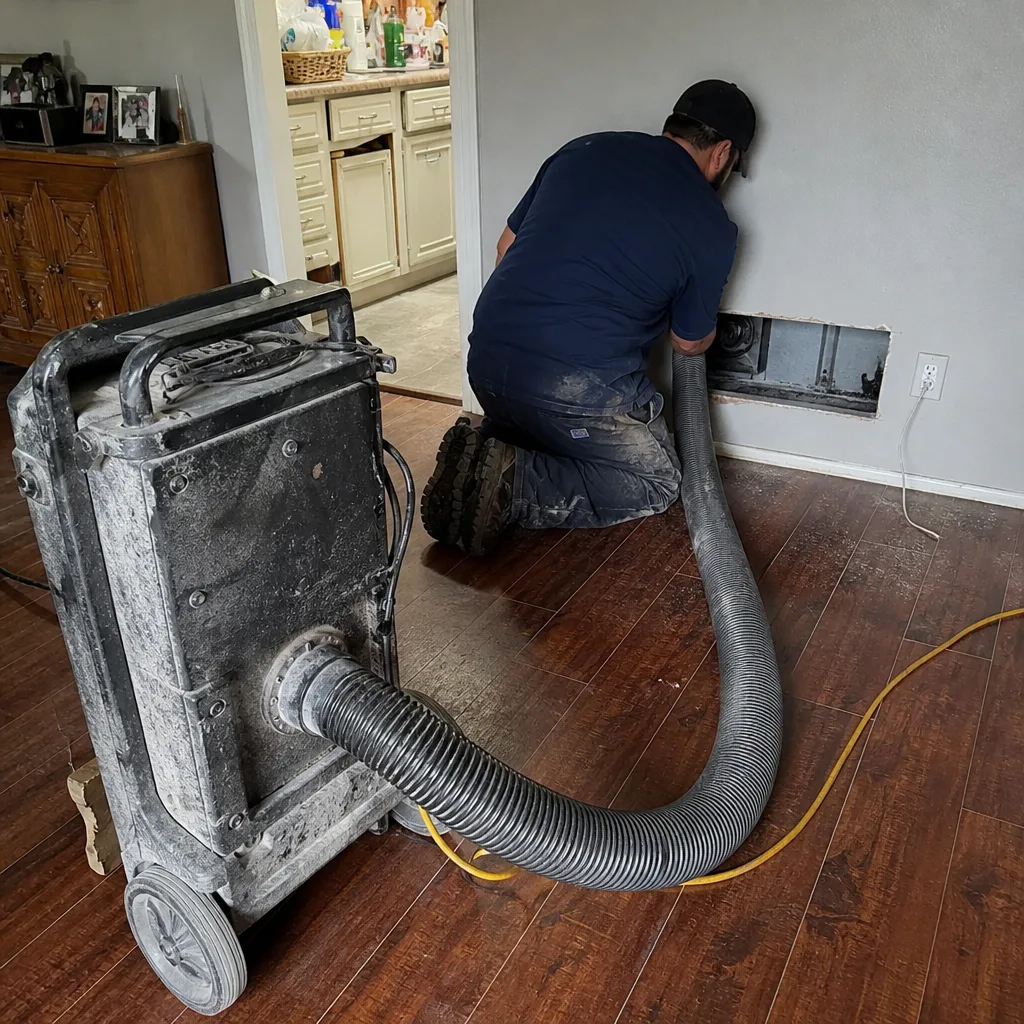 Before
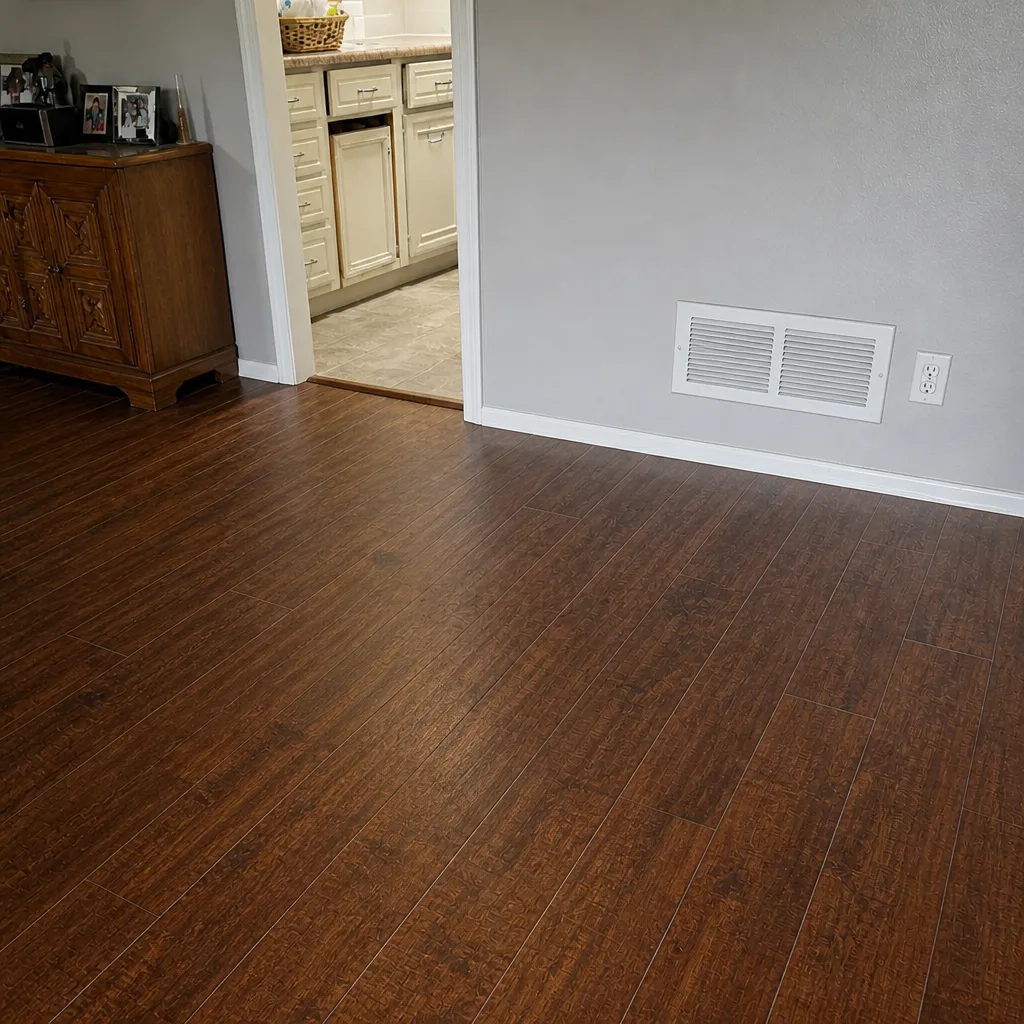 After
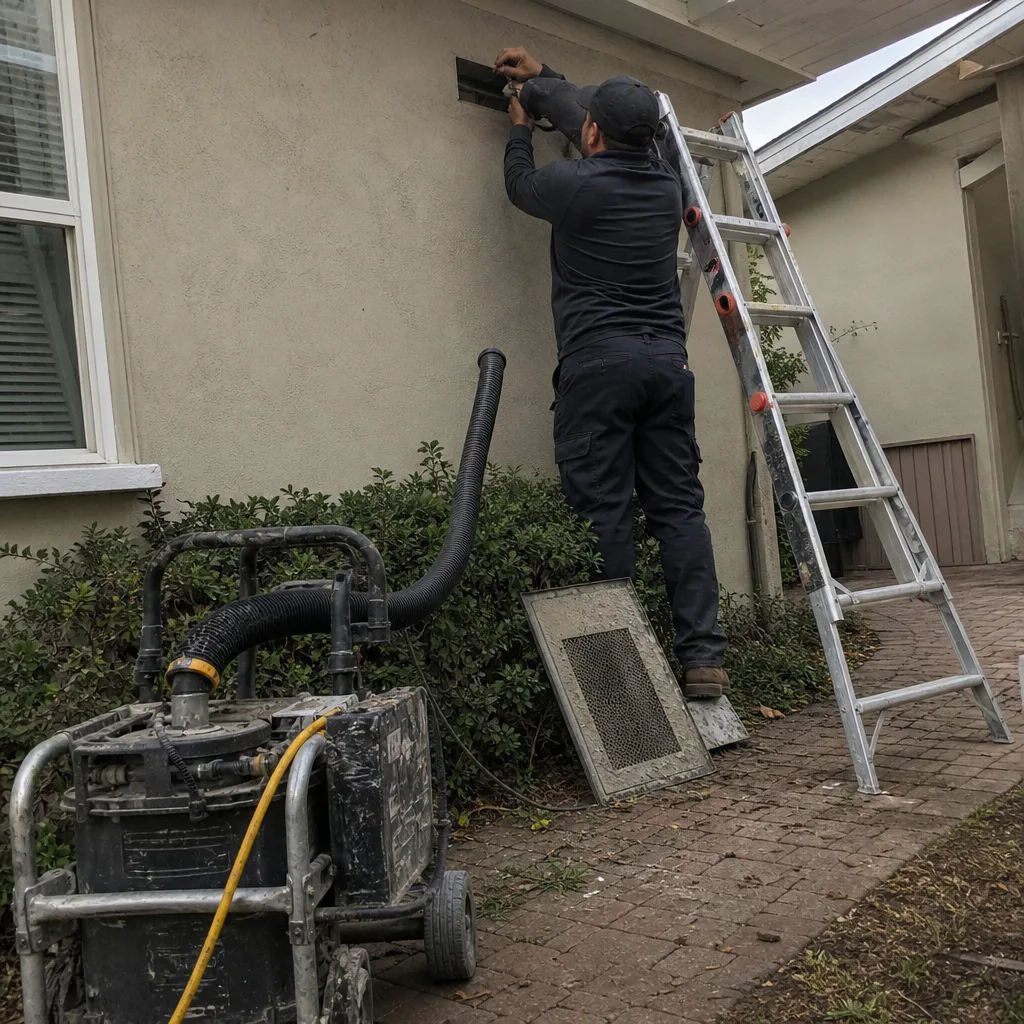 Before
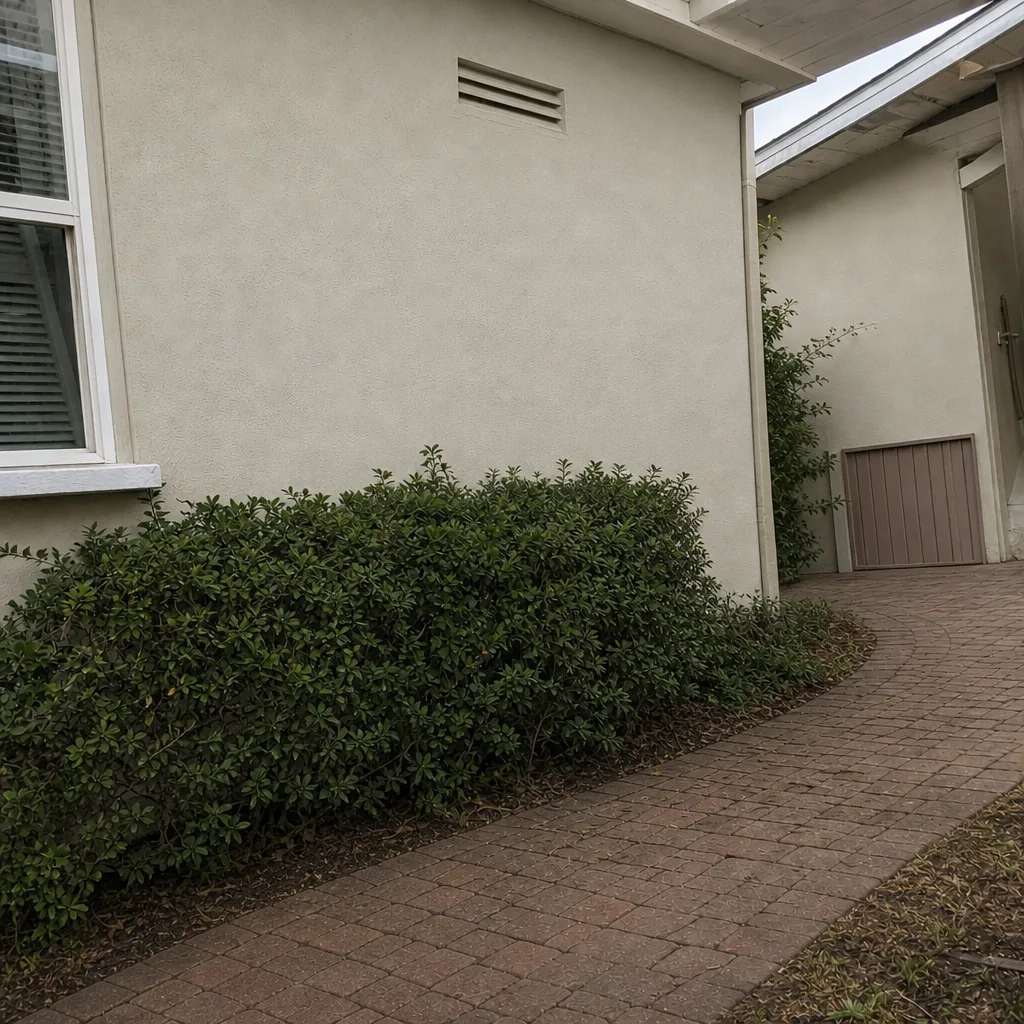 After
 Before
 After
When to Call a Professional
Some things you can check yourself from the room. Others need a trained eye and the right tools. Call a professional when a room has been uncomfortable for weeks despite filter changes and thermostat adjustments, when you can see a torn or disconnected duct run from the attic or crawlspace access, when dust returns to the registers within days of cleaning, or when an odor persists after a basic service. Call promptly if you can see visible debris inside the registers and the system hasn’t been cleaned in years – the longer debris sits, the more it loads the coil and strains the blower.
Highland Park Air Duct Cleaning Pros offers free estimates in Highland Park. Call (844) 702-0753. We answer 24/7. Fast dispatch from 7am to 7pm, Sunday through Friday. One flat price per system is agreed before work starts, and you get before-and-after photos of your own ducts so you can see the difference rather than take our word for it. The local pro is licensed and insured as their state requires.
Frequently Asked Questions
Most whole-system air duct cleaning in Highland Park runs in the range most homeowners expect for a full job – the exact number depends on the number of systems, their condition, and whether repair and sealing is part of the work. A per-vent quote won’t tell you the real cost, so the useful step is a free whole-system estimate. Call (844) 702-0753 for an exact quote – estimates are free.
Large discounts usually skip what the job actually requires – mechanical agitation with rotary brush equipment, true HEPA vacuum capture, and any repair of disconnected or leaking ducts. The low number often reflects surface suction alone, which doesn’t clean the duct interior. A written estimate that reflects the actual system and its repairs is the honest comparison. Call (844) 702-0753 for an exact quote – estimates are free.
Before-and-after photos of your own ducts are the answer. A legitimate job documents the condition of the system before cleaning and after, and you can compare them directly. If a provider won’t produce that record, that’s your clue. Call (844) 702-0753 for an exact quote – estimates are free.
There’s no single schedule that fits every Highland Park home. Homes with pets, recent renovation, or never-cleaned ductwork need more frequent attention, while a well-sealed system in a clean home can go longer. The more reliable rule is to act on symptoms – persistent airflow problems, dusty registers, or odor. Call (844) 702-0753 for an exact quote – estimates are free.
It depends on the cause. If the restriction is debris in the ducts or on the coil, cleaning will help. If a flex run is disconnected or crushed, or the return is undersized, cleaning won’t fix it – repair and sealing will. A whole-system diagnostic before any work tells you which fix applies. That’s why we measure before we recommend anything.
It depends. Some duct repairs and system changes trigger local permit requirements, and some don’t. The safe answer is to ask your city’s building department before any structural change to the duct system. Cleaning alone typically doesn’t require a permit, but repairs that alter the configuration often do.
The Bottom Line
Most duct problems in Highland Park trace back to the system itself, not the equipment. Match your symptom to its likely cause, document what you’re seeing, and get a whole-system diagnostic before you spend money on cleaning or repairs. Cleaning fixes debris. Repair and sealing fix structural failures. Knowing which one you’re dealing with is the difference between a fix that lasts and a problem that keeps coming back. Start with a free estimate, agree on one flat price per system before work begins, and ask for before-and-after photos so you can verify the job. Air quality can be measured and shown, not just described.
Call (844) 702-0753 to book a free estimate. We answer 24/7. Fast dispatch from 7am to 7pm, Sunday through Friday. Closed Saturday.
Written by the team at Highland Park Air Duct Cleaning Pros.