
Last updated November 22, 2026
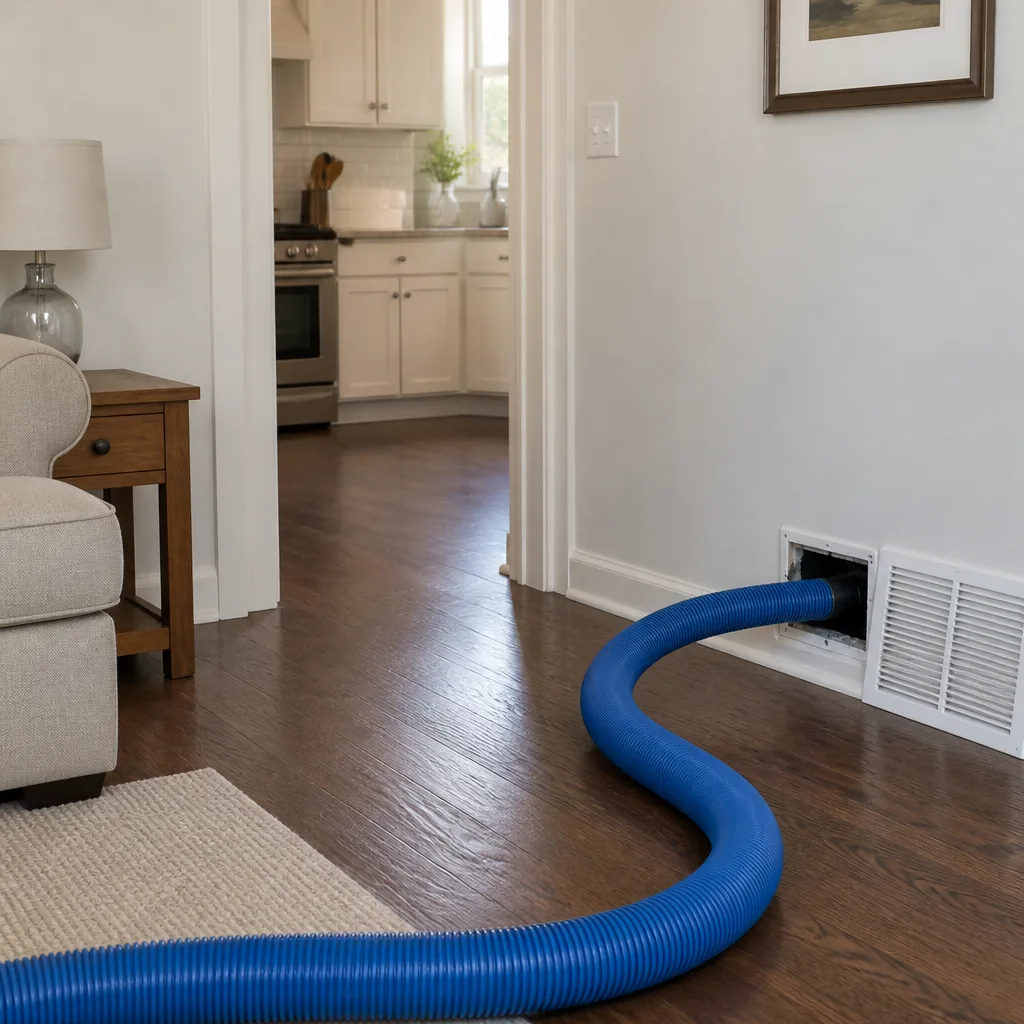 Whole-home duct cleaning
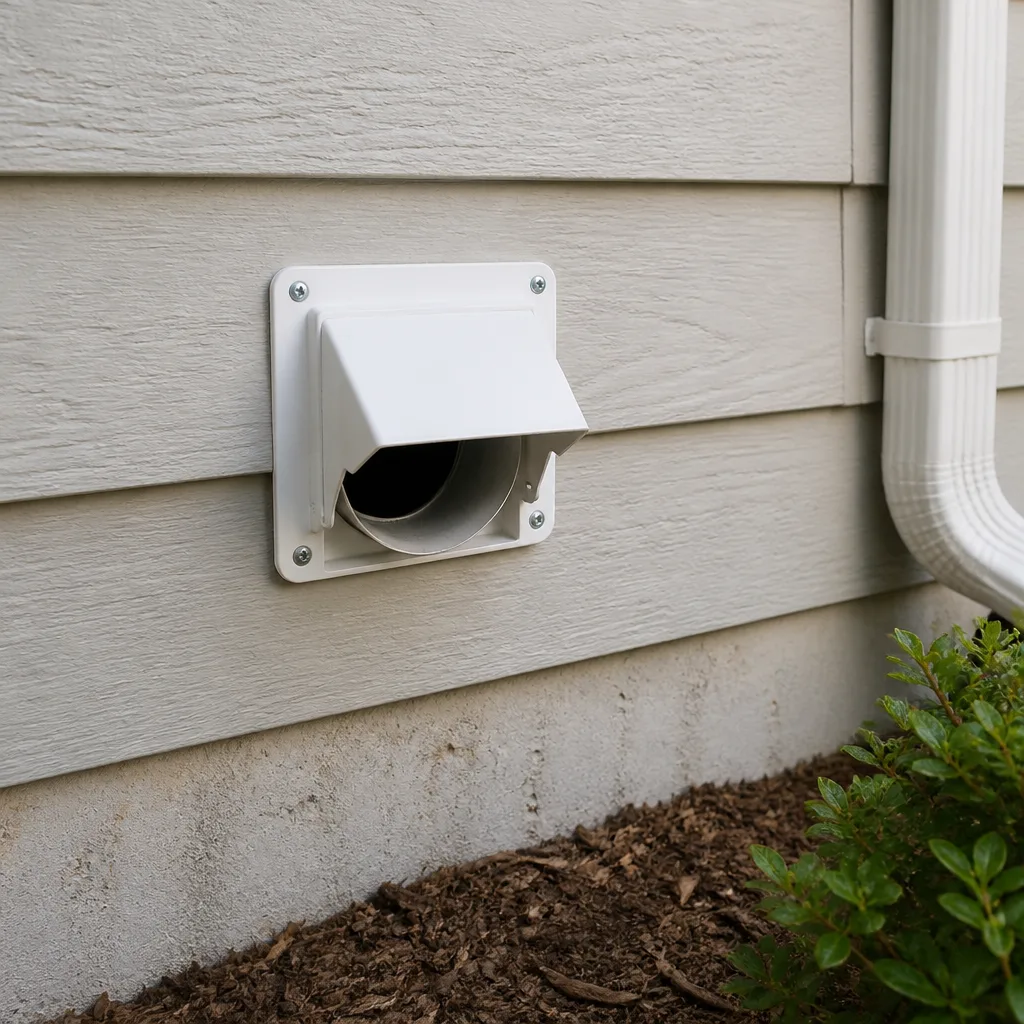 Dryer vent cleaning
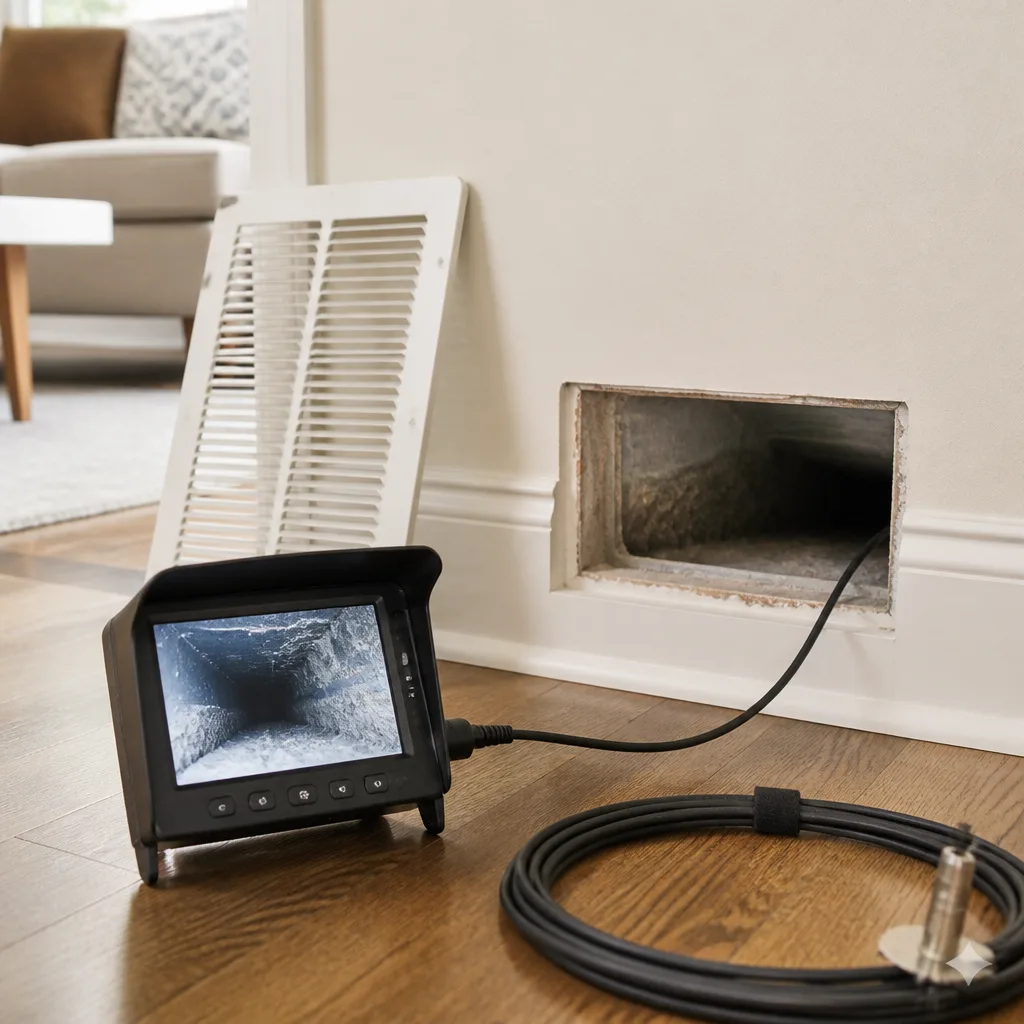 Camera inspection
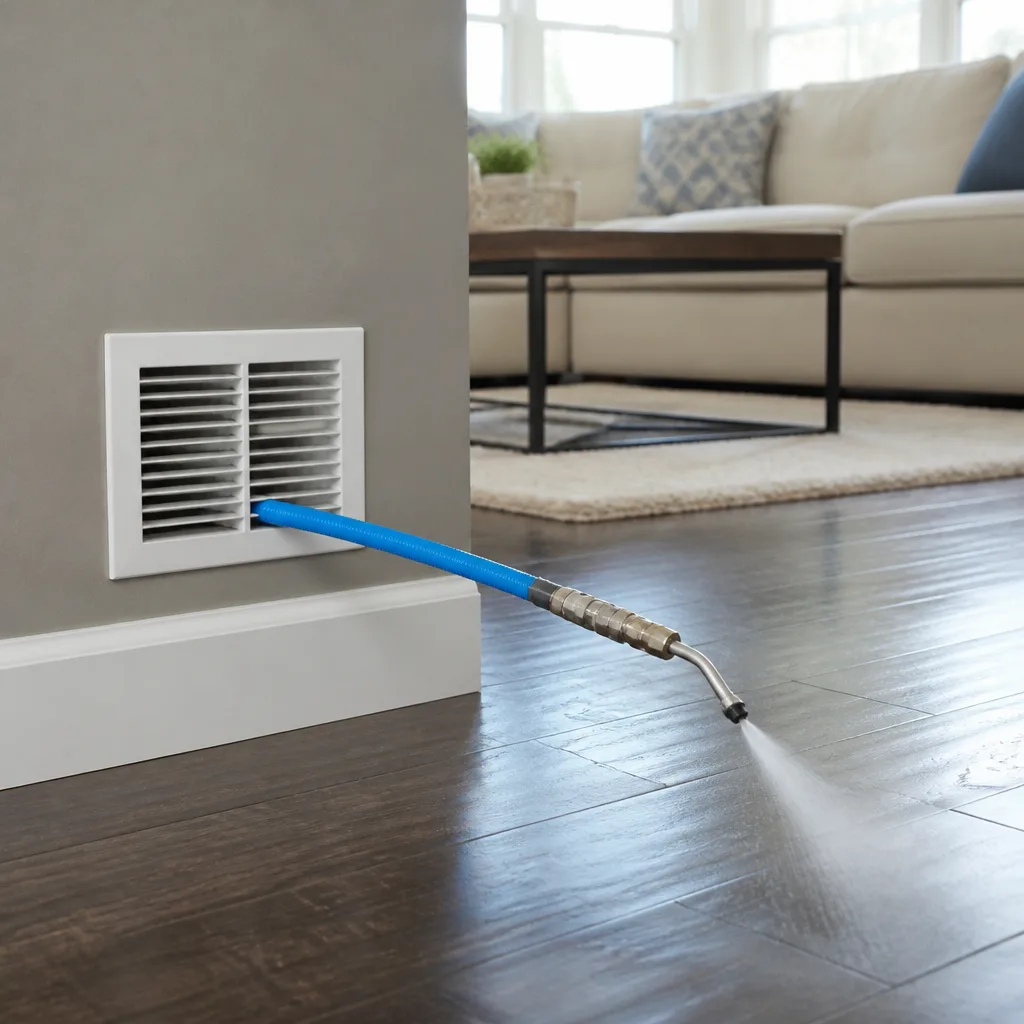 Sanitizing & deodorizing
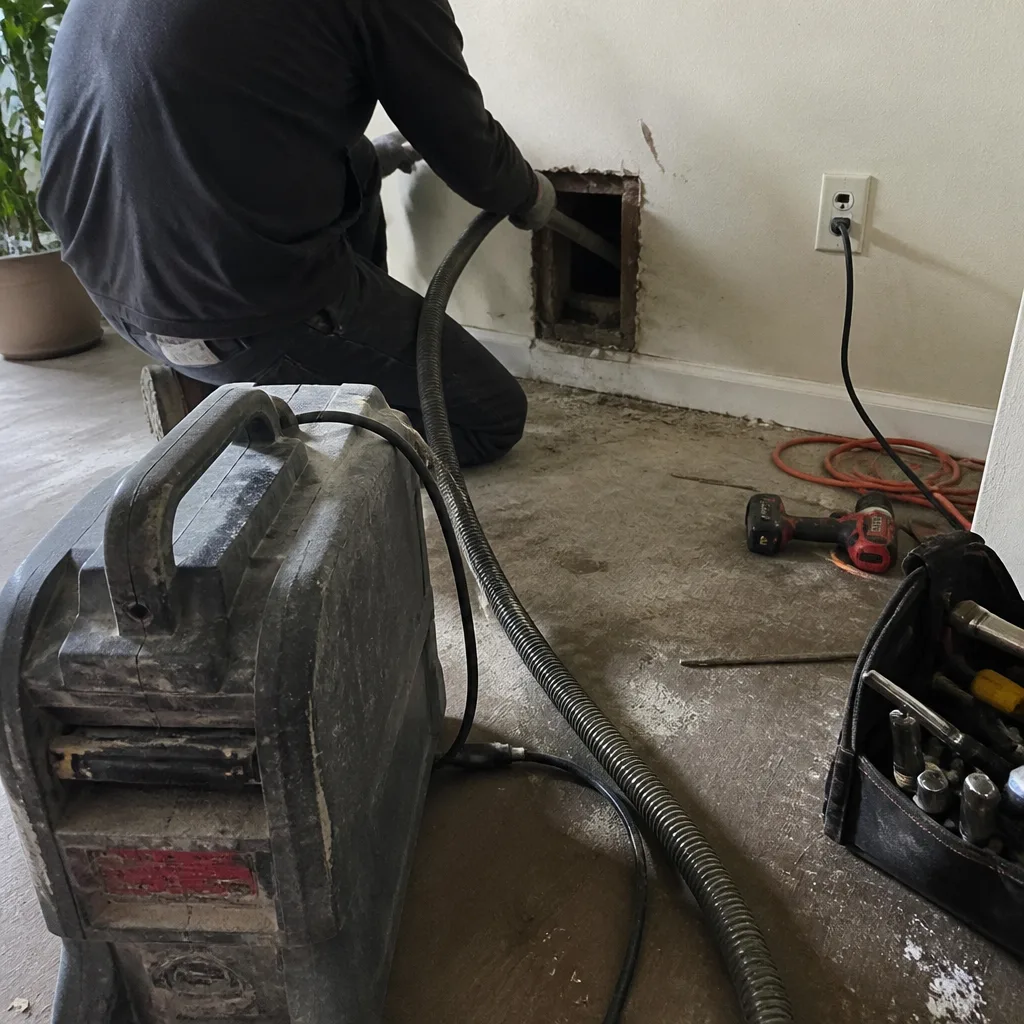
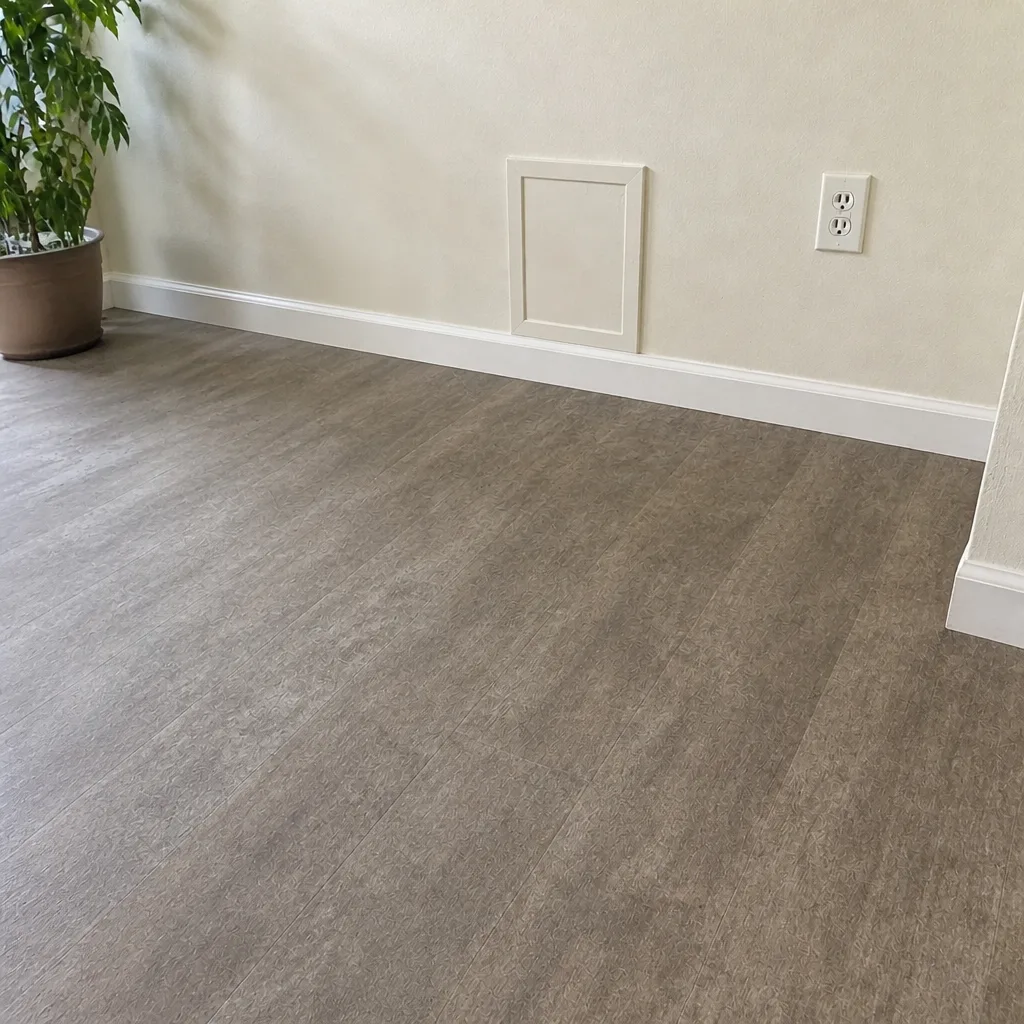
Whole-system duct and dryer vent check with before-and-after photos - you see exactly what came out of your vents
That "$99 whole-house special" is a bait ad - the real number appears once they are in your hallway, or the "clean" is a shop-vac at the register. We photograph the inside of your ducts before and after instead.
Air Duct Cleaning Warning Signs: A Highland Park Homeowner’s Reference Guide
Dust on your supply registers is a symptom, not a diagnosis. That same grey film could come from a clogged filter, a leaking duct joint behind a wall, an oversized blower pushing too much air, or biological growth inside your air handler – and each of those problems takes a completely different kind of response. Treating them all with a quick vacuum misses the cause and leaves you back where you started. This guide walks through how to read the real diagnostic signals, from the specific smell of a duct problem to the temperature gaps between rooms, so that Highland Park homeowners know what they’re actually looking at when something feels off inside the house.
Quick Answer
Air duct cleaning warning signs worth acting on include dust on registers returning within a few days of cleaning it, room-to-room temperature gaps of more than a few degrees, a musty or chemical smell when the system starts, visible debris or daylight inside ducts, and a recent tick-up in symptoms for anyone with sensitivities. Dust alone is normal. Pairs of these signs showing up together point to an underlying duct or airflow problem that a whole-system inspection can identify.
Styles & brands we work with
- Whole-home duct cleaning
- Dryer vent cleaning
- Camera inspection
- Sanitizing & deodorizing
Table of Contents
- Dust on Registers: The Symptom, Not the Diagnosis
- How to Tell Normal Dust from Duct Leakage
- What Airflow Imbalances Actually Tell You
- Odor Profiles and What They Mean
- Highland Park Specifics: Wildfire Smoke Particulate in Duct Lining
- When a Sign Warrants Immediate Service vs. a Scheduled Inspection
- What a Whole-System Inspection Involves
- Common Mistakes to Avoid
Dust on Registers: The Symptom, Not the Diagnosis
A thin dust film on supply registers and return grilles is normal, especially if the filter hasn’t been swapped in a while. Registers pick up dust because that’s where moving air changes direction; the grille acts as a ledge where airborne particles settle. What is not normal is a film that returns within days of being cleaned, dust that comes out thick and light-colored instead of grey and fine, or dust concentrated at only some of the registers in the house rather than all of them. The pattern matters more than the volume.
When dust reappears quickly, work through a short shortlist of possible causes before assuming the ducts themselves are the problem:
- Filter condition and fit. A filter with the wrong dimensions or a filter slot that isn’t sealed lets air bypass the media entirely. Check the filter size against the stamped size on the unit and look for gaps around the frame.
- Blower speed. An oversized blower moving more air than the ducts were sized for puts more particulate into suspension and drops it at faster-moving registers. This is common in newer variable-speed systems that haven’t been balanced after install.
- Return side leaks. A gap in a return duct pulls dusty garage or crawlspace air into the system before it ever reaches the filter. Return leaks are often on the untaped side of a joint or where a trunk has settled away from the plenum.
- Debris in the air handler. When the blower wheel and evaporator coil are coated, the system recirculates dust it should be capturing. The coils are the most overlooked dust source in a house.
- Duct lining degradation. Older interior duct liner can shed fine fibers that read as dust. This shows up most clearly after a filter change, when the regrowth returns immediately.
In Highland Park, we see the last item often in homes where the original duct system is decades old and no one has opened a register since the remodel. A rotary brush and HEPA vacuum extraction is the only reliable way to confirm what’s actually inside the lining versus what’s on your mantel.
The honest next step is not a cleaning. It’s an inspection that identifies which of these five problems you actually have. That’s the difference between fixing your dust and cleaning it up for a month.
How to Tell Normal Dust from Duct Leakage
Duct leakage shows up as a pattern, not a single symptom. A leaky supply joint pushes conditioned air into an attic, crawlspace or wall cavity instead of into the room it was supposed to serve. That air carries dust with it, so you get warmth or cool at the register but odd dust settling near the ceiling above it, and rooms that never quite meet the thermostat. When several of the indicators below show up together, leakage is the likeliest explanation:
- Room temperatures that swing by more than three or four degrees. The same house should feel close to uniform on a given thermostat setting. Big gaps between adjacent rooms are a duct balance issue before they’re a comfort preference.
- Dust that settles high on walls near a register. Leaking ducts blow particles toward a surface before the air diffuses. A vertical band of dust above a supply grille is a useful tell.
- Whistling or hissing sound at a register. An undersized supply or a joint backed out of a boot creates the sound you’re hearing. Whistling means pressure is escaping somewhere.
- Return air drawn from an unclean space. If your return trunk runs through an attic or open crawlspace, every joint gap pulls in whatever is in that space.
- Higher energy use without an equipment change. A leaky supply system can lose a meaningful share of the air it just paid to cool before that air reaches a living room.
- Pest or rodent evidence along a duct run. Small openings in flexible or insulated ducting are entry points, and the contamination they leave behind is not something vacuuming at the register can address.
Where the leakage sits matters. A duct leak inside an air-conditioned envelope leaks cool air into a room that’s already cool; a leak in the attic or under the house leaks out of the system entirely. Locating the leak is half the job, sealing it is the other half, and both are part of the service we call air duct cleaning when it’s done to a whole-system standard rather than a single-vent pass.
What Airflow Imbalances Actually Tell You
Airflow imbalance is the single most useful diagnostic signal a homeowner can hand to a professional, because it points to the duct system rather than the equipment. When one bedroom is always colder than the next room over, or the master suite requires a closed door to feel right, the system is delivering different volumes of air to different parts of the house. The cause is almost always upstream of the register: a collapsed flex run, an oversized branch, a badly routed trunk, or a damper left half-closed during a past balancing attempt.
The way to read your airflow without instruments is with a small window of observation:
- Hold a tissue over each supply grille. A strong register flutters it straight out. A weak one barely lifts it. Compare side by side across the house.
- Note the rooms that feel wrong in both seasons. Rooms that are too warm in summer and too cold in winter are usually under-supplied; rooms that swing the opposite direction are over-supplied.
- Close every interior door and re-check. Rooms that only feel right with the door open are pressure-balanced wrong; the system is looking for a return path it doesn’t have.
- Check the return side. A house with one central return and closed bedroom doors over-pressurizes the closed rooms and starves the return. The fix is duct work, not a bigger system.
What’s worth knowing: adding a bigger blower or an extra vent rarely fixes airflow imbalance, and it often makes duct leakage worse. The correct response is to inspect the duct runs themselves, measure static pressure at the air handler, and either repair the damaged section or seal and balance the system. Our technicians have up to 8 years of experience reading these patterns, and the first item on every inspection is confirming which rooms are starved before anyone touches a cleaning tool.
Odor Profiles and What They Mean
The smell that comes out of a register when the system starts is often a more precise diagnostic signal than anything you can see, because smell identifies the type of problem, not just its location. Three profiles matter most, and they belong to three different problems:
Musty or earthy
This is a moisture signal. Musty air coming from the ducts means biological growth somewhere in the system, most often on the evaporator coil, the drain pan, or duct lining that has stayed damp after a humidity spike. Musty odors get stronger when the AC has been off and are usually worst at the start of a cooling cycle. In a mild-winter climate like Highland Park’s, the moisture load that matters comes from the cooling season rather than winter condensation, so a musty smell that first appears in summer is a strong indicator of biological growth inside the air handler or lining.
Burning or hot-wire smell
A burning smell at a register usually means either a motor or belt problem on the blower, debris contacting a heat source, or dust burning off a coil that’s been sitting. This is the one odor that should be treated as urgent rather than scheduled – power down the system at the thermostat and have it looked at before you run it again. A burning smell that persists after the system has been off for a few hours is not normal and should not be ignored.
Chemical or plastic smell
Chemical off-gassing from insulation, interior duct lining, or a degrading flex connector can read as a sweet or plasticky smell when the system runs. It’s often strongest in summer when the return air is warm and the lining is outgassing more. Off-gassing is different from a soil-based odor and is not solved by cleaning alone; it usually requires identifying and replacing the affected section.
If you can’t tell which profile you’re smelling, pay attention to when the smell peaks – on start, on shutoff, or continuously – and share that with whoever inspects the system. It narrows the diagnosis quickly. Where the odor points to biological growth, the appropriate response is the air quality and sanitizing side of the service.
Highland Park Specifics: Wildfire Smoke Particulate in Duct Lining
Highland Park sits in a fire-prone region, and homes here see episodic wildfire smoke exposure that most of the country does not. Wildfire smoke particulate is different from ordinary household dust in a way that matters for your ducts: the particles are fine, they penetrate standard filters more readily, and they settle into the interior lining of duct runs where a simple vacuum at the register cannot reach them. When smoke has been in the air for a stretch of days, the fine fraction that got past the filter can leave a persistent, faint burnt-wood character to the air the system delivers, even after outdoor air has cleared.
Signs that wildfire smoke particulate has become embedded in the system rather than just lingering in the air:
- A faint smoky smell from registers that returns with each cooling cycle, weeks after the smoke has cleared outdoors.
- Visible fine grey or brown deposits on the return grille that look different from ordinary dust – finer, more uniform, and harder to wipe away cleanly.
- Increase in allergy-type symptoms that peaks with the system running rather than with outdoor air.
- Deposits that reappear on the coil face or blower wheel shortly after a coil cleaning.
The correct response is mechanical: rotary brush agitation inside the lining combined with HEPA vacuum extraction at the point of debris, using a capture rated to hold the fine particulate so it doesn’t exhaust back into the living space. This is where equipment choice matters – our work uses Rotobrush rotary-brush systems paired with Nikro HEPA-rated vacuum equipment, and where conditions require additional containment, remediation-grade negative-air machines from Abatement Technologies. That’s a different standard than a shop vac pulled from a garage.
Homes near the Arroyo or up in the hillside streets along Figueroa tend to see the strongest smoke exposure, but it’s not limited to a specific block. If a home has been through more than one smoke event without duct service, the lining itself is the first thing to check.
When a Sign Warrants Immediate Service vs. a Scheduled Inspection
Most warning signs can wait for a scheduled inspection. A short list cannot. The threshold criteria below separate the two, and reading them together is usually enough to know which side you’re on:
Call and schedule the same day
- Burning smell from a register or at the air handler. Power down at the thermostat and call.
- Visible sagging or collapsed ducting in an accessible attic or crawlspace. A collapsed return can starve the system and drive up static pressure to a point that damages the blower.
- Pest or rodent evidence inside a duct run. Contamination of this type should be handled with containment before anything else runs.
- Sudden onset of symptoms in a household member with asthma or respiratory sensitivity that track with the system running. Not urgent in the emergency sense, but not something to wait out either.
Schedule a routine inspection within a few weeks
- Dust returning within days of register cleaning. A sign to investigate, not panic about.
- Room-to-room temperature gaps of more than three or four degrees. Worth diagnosing before the next cooling season rather than after.
- A musty smell that appears in summer and eases in cooler weather. Points to moisture and biological growth, and the right time to handle it is before the next cooling season.
- Post-wildfire-smoke odor lingering weeks after outdoor air has cleared. Best handled as a scheduled whole-system cleaning rather than a same-day call.
- You’ve never had the ducts inspected and the home is more than fifteen years old. Schedule an inspection to establish a baseline.
The honest rule of thumb: anything involving heat, collapse, or pests gets a call today. Everything else gets an inspection on the calendar.
What a Whole-System Inspection Involves
A proper inspection examines the entire air system rather than just looking at the registers, and it follows a defined sequence from the air handler outward. Knowing the sequence is useful because it tells you what a real inspection looks like and what a quick drive-by check skips:
- Filter and return side. Filter size, fit, and bypass; return trunk condition and whether it runs through an unclean space.
- Air handler and coil. Blower wheel, evaporator coil, and drain pan are inspected for dust loading, biological growth, and standing water.
- Supply and return trunk and branch runs. Each accessible run is checked for leaks, gaps, disconnected joints, and collapsed or crushed flex sections.
- Static pressure measurement. Reading system static pressure at the air handler tells you whether the duct system is undersized, oversized, or restricted – which is otherwise invisible.
- Register-to-register airflow comparison. A side-by-side check of volume at each register shows where the imbalance sits and whether it corresponds to a known branch.
- Interior lining inspection. A camera survey of the lining identifies embedded particulate, liner degradation, and moisture damage – the three conditions that drive most of the warning signs covered in this guide.
What distinguishes a whole-system inspection from a cleaning visit is the decision that follows: whether the system needs cleaning, repair and sealing, sanitizing, or some combination. A duct run with a collapsed section doesn’t need cleaning until it’s repaired; a system with embedded biological growth needs sanitizing after mechanical cleaning, not before. The HVAC cleaning step covers the coil-and-blower side, which most duct-only cleaners won’t touch.
The other piece most duct cleaners don’t offer is duct repair and sealing. Cleaning a leaky system is cleaning a system that will get dirty again quickly. Sealing the leaks and addressing the gaps in the lining is what keeps the systems we clean clean, and it’s the piece homeowners often wish they’d asked about the first time around.
Common Mistakes to Avoid
- Treating visible dust as the whole diagnosis. Dust on the register is a starting point, not a conclusion. The cause is usually one of five upstream problems, and guessing wrong wastes the cleaning budget.
- Assuming “cleaning” means vacuuming at each register. Surface suction at the grille doesn’t touch the lining or the trunk runs where debris actually lives. The right method is rotary brush agitation combined with HEPA-rated capture.
- Cleaning before repairing. If the ducts are leaking or a branch is crushed, cleaning just preps the system to get dirty again. Repair and sealing come first or alongside the cleaning, not after.
- Ignoring a musty smell until it becomes a bigger problem. A musty odor that shows up in summer and fades in cooler weather is easy to dismiss. It’s the clearest indicator of biological growth, and it doesn’t self-resolve.
- Using a common shop vac for smoke or pest cleanup. A standard vacuum’s exhaust re-suspends fine particulate back into the living space. The particulate you’re trying to remove ends up in the air, not in the trash.
- Skipping the static pressure check. A cleaning without measuring system static pressure misses whether the ducts are undersized or restricted, which is often the real cause of the airflow imbalance that prompted the call.
- Assuming one visit solves every problem. A home with duct leakage, a dirty coil, and a biological growth issue needs all three addressed. A single service call that skips the coil and the repair will look like a failure three months later, when in fact it was never a whole job.
See the difference
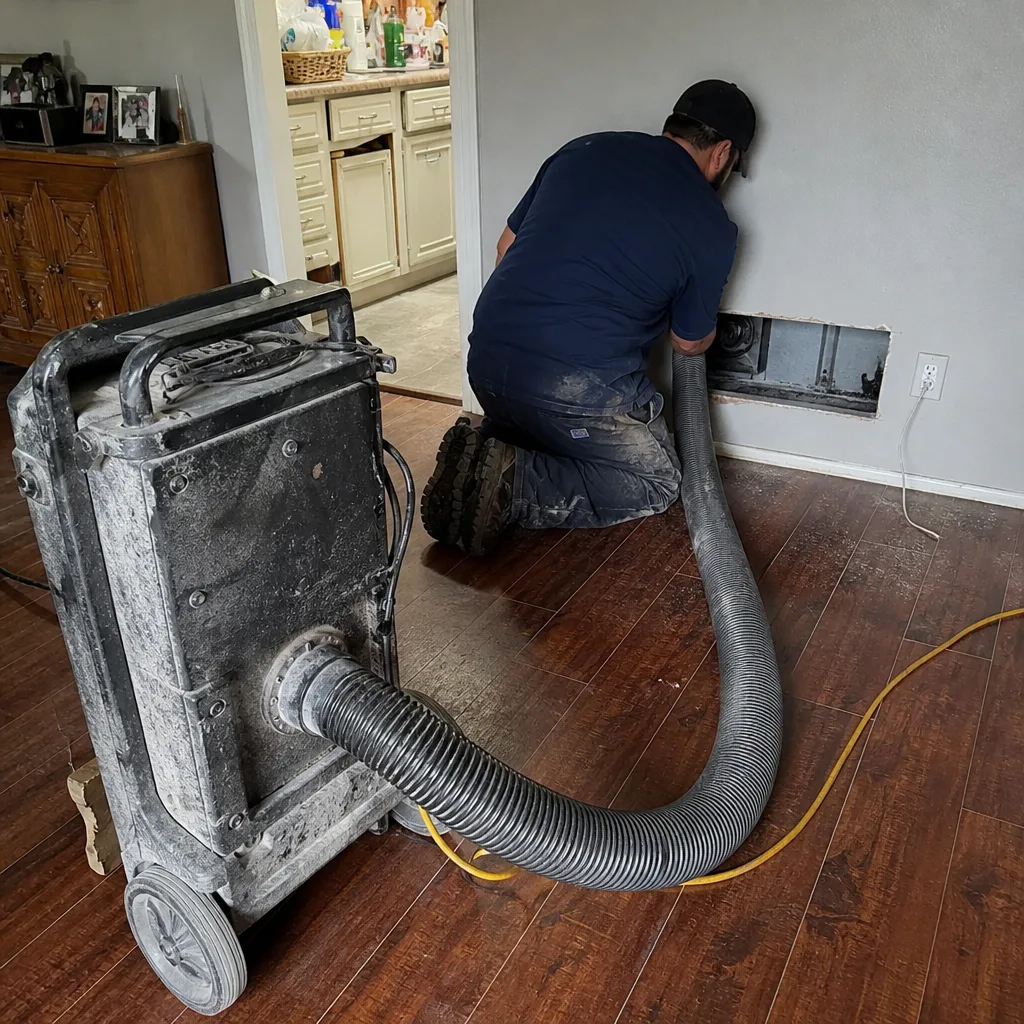 Before
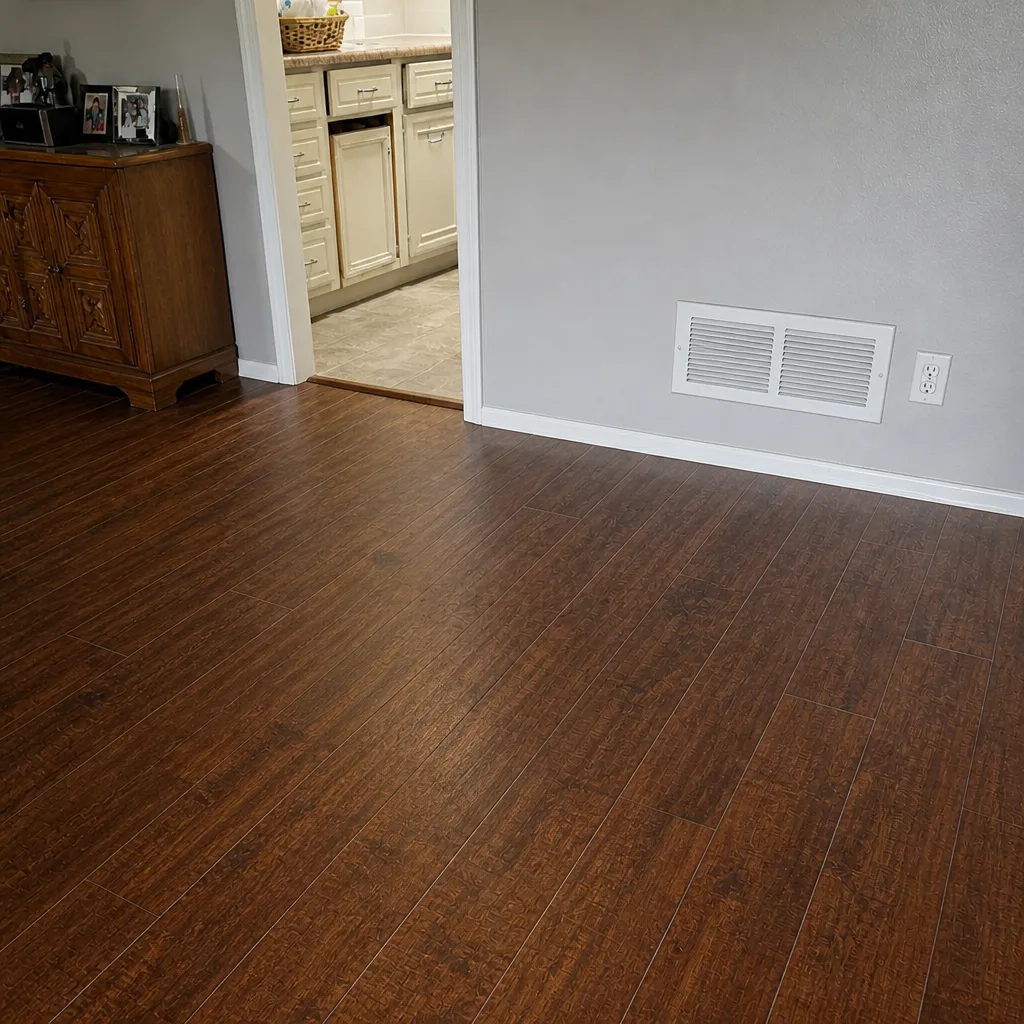 After
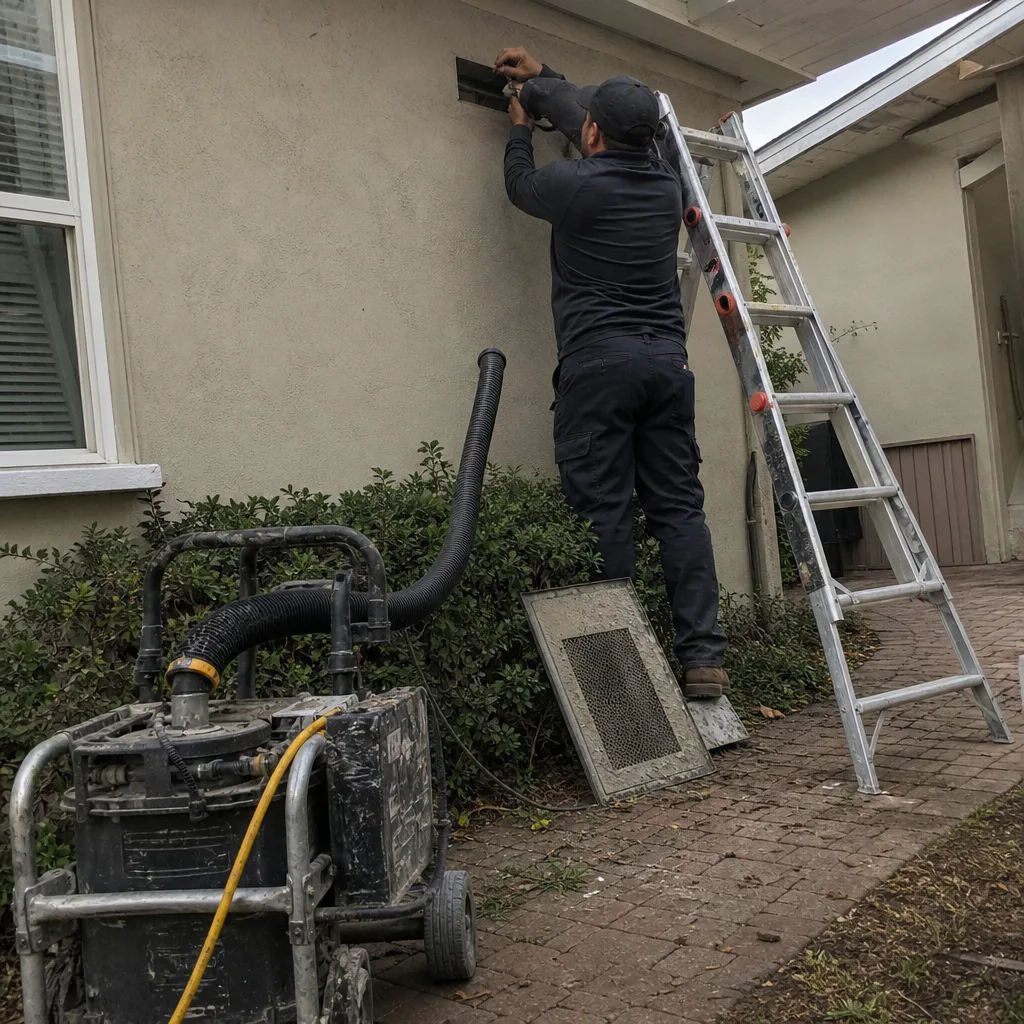 Before
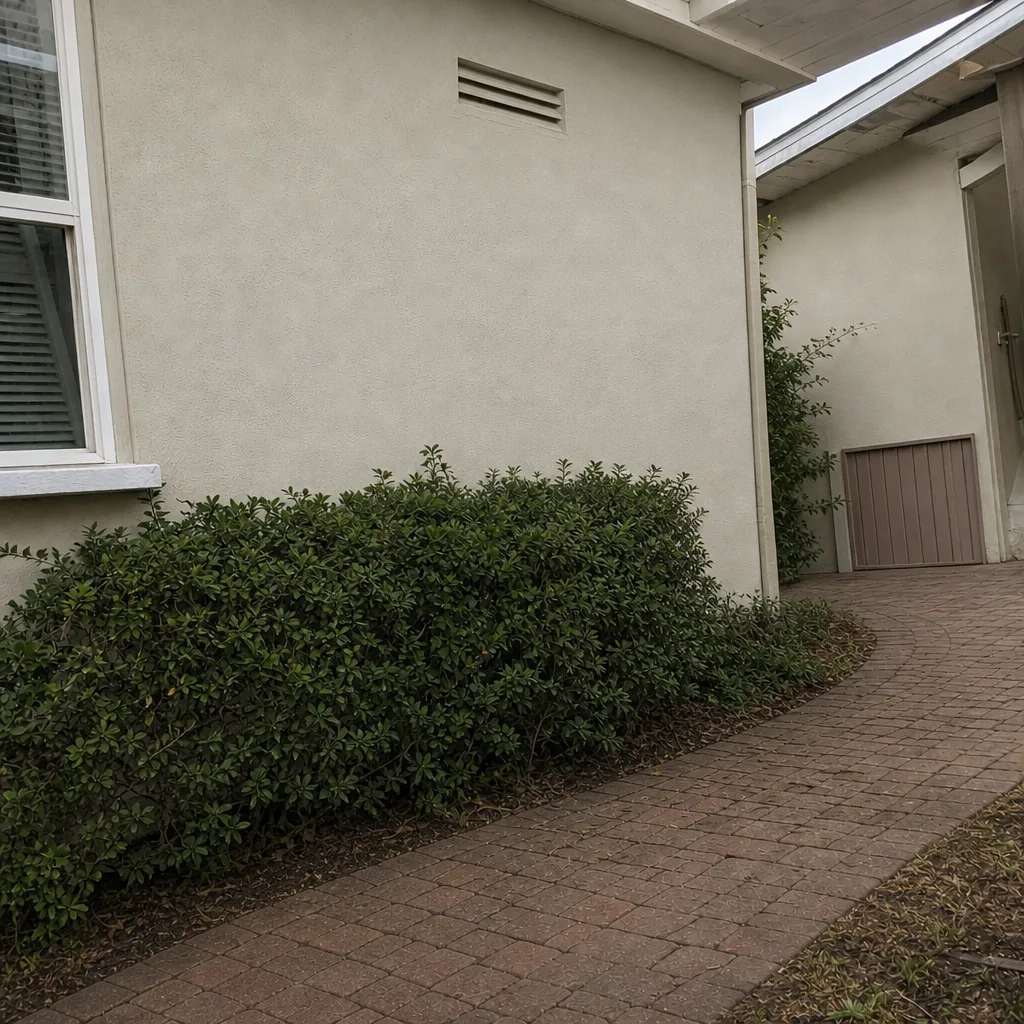 After
 Before
 After
When to Call a Professional
Call a professional when a warning sign shows up in combination with another one, when an odor persists after outdoor or household air has cleared, or when a warning sign belongs on the urgent list above. A single dust film on a register is not a professional call. A dust film that returns in days, a room that stays cold when the thermostat is set right, and a musty smell that starts with every cooling cycle are a professional call – because they point to three different problems with three different correct fixes. Homes near the Arroyo or up in the foothills that have been through a smoke event without duct service sit on the same list.
Highland Park Air Duct Cleaning Pros offers free estimates in Highland Park – call (844) 702-0753. We answer 24/7. Fast dispatch from 7am to 7pm, Sunday through Friday, and we’re closed Saturday. The estimate is free, and the price is set per job by the written estimate.
Frequently Asked Questions
For most Highland Park homes, a scheduled inspection every few years is enough, and cleaning is done when the inspection identifies a cause rather than on a fixed calendar. Homes with pets, recent smoke exposure, or visible warning signs on the list above should be inspected sooner. Call (844) 702-0753 for an exact estimate – the estimate itself is free.
Not by itself. Dust on the register is a symptom that could come from the filter, a leaking duct joint, an oversized blower, or debris inside the air handler. A cleaning without identifying which of these you have is likely to be repeated within a year. A whole-system inspection answers that question first.
We price per job by written estimate rather than per register or per vent, so the estimate you receive reflects the actual scope of your system rather than a count that grows on the day of service. Call (844) 702-0753 for an exact quote – estimates are free.
Cheap quotes are usually one-tool visits – typically a shop-vac-style suction at each register that misses the trunk, the lining, and the air handler. Those services leave the likely cause of your symptoms untouched. We price the whole-system job so the cleaning fixes the cause rather than the visible film.
The work is confirmed by what comes out of the system during a rotary brush and HEPA vacuum pass, and by the camera survey of the lining before and after. Ask anyone quoting your job what equipment they’ll use inside the ducts and whether they photograph the result. The answer distinguishes a real cleaning from a surface pass.
Yes, when the residue has embedded in the lining and a smoke smell returns with each cycle weeks after the outdoors has cleared. Fine particulate captured at the register doesn’t address particulate in the lining. Remediation-grade equipment matters for this kind of cleanup. Call (844) 702-0753 for a free estimate on the scope for your home.
The Bottom Line
Dust on a register is what you see; the diagnosis is what you need. Of the warning signs in this guide, only a small handful belong on the “call today” list – burning smell, visible collapse, pest evidence, or symptom onset tied to the system. Everything else belongs on the inspection calendar, where the real work is identifying whether you have duct leakage, an airflow imbalance, biological growth, or wildfire smoke particulate embedded in the lining. Highland Park homes need the ordinary inspection plus an extra look at the lining after smoke events. Get the diagnosis right first, and the cleaning takes care of itself. For a free estimate on your home, call (844) 702-0753.
Related reading: Highland Park Air Duct Cleaning Pros for the full service menu, dryer vent cleaning for the other duct in your house that demands attention, and a direct line to air duct cleaning for scheduling the whole-system inspection this guide describes.
Written by the team at Highland Park Air Duct Cleaning Pros.