
Last updated November 22, 2026
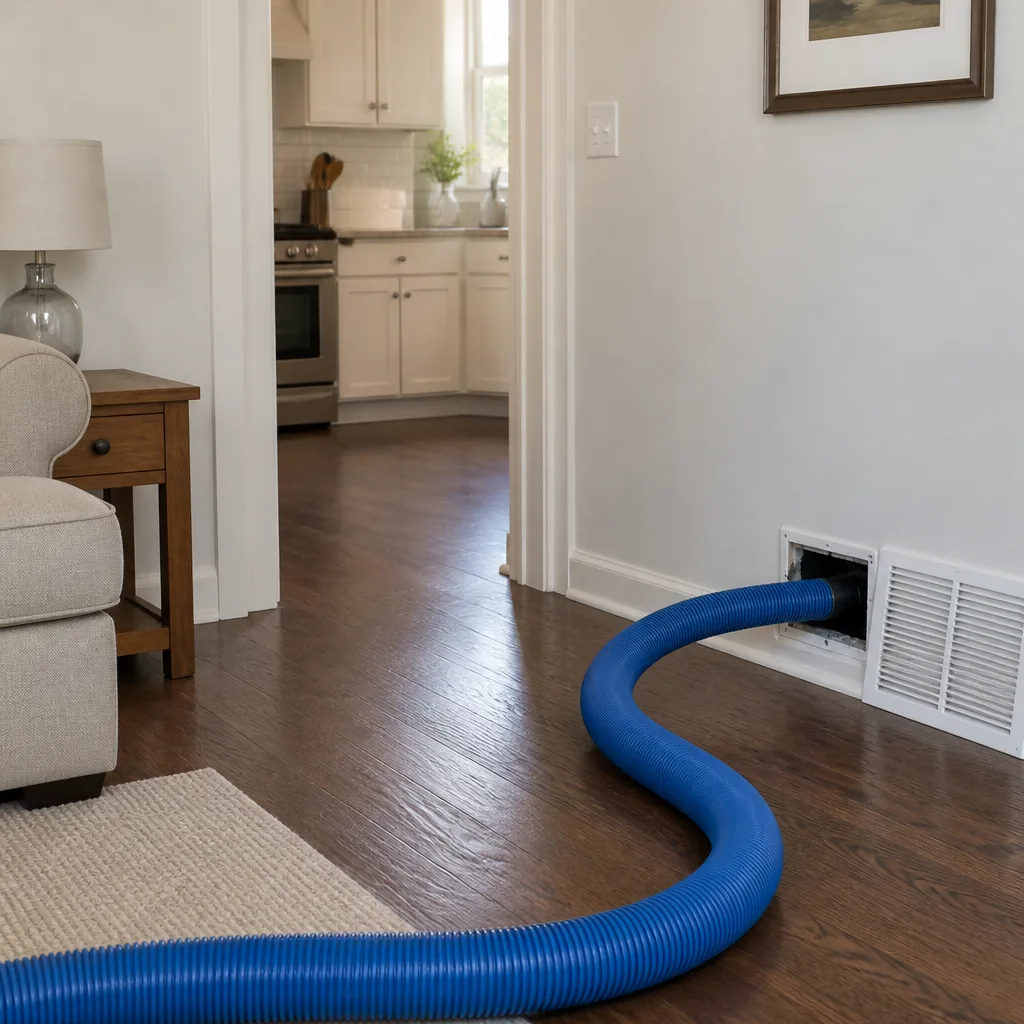 Whole-home duct cleaning
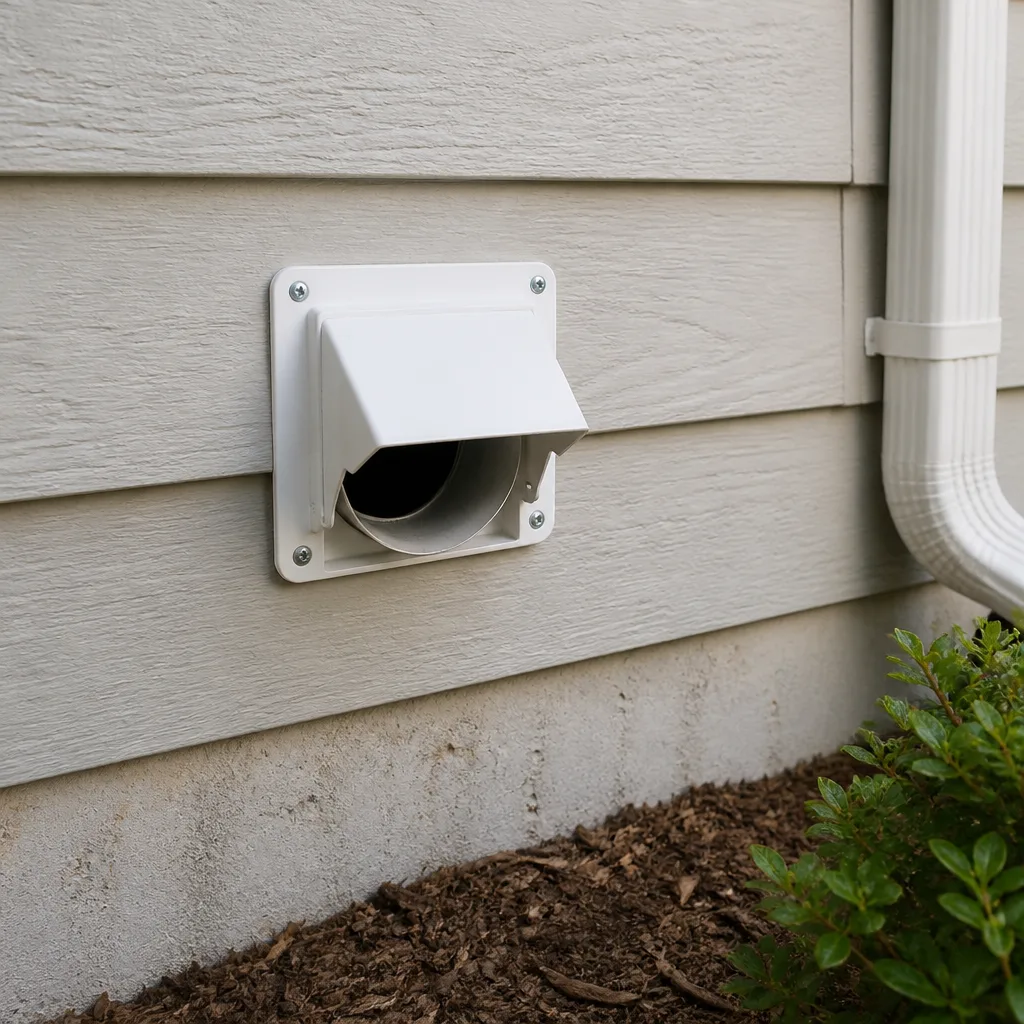 Dryer vent cleaning
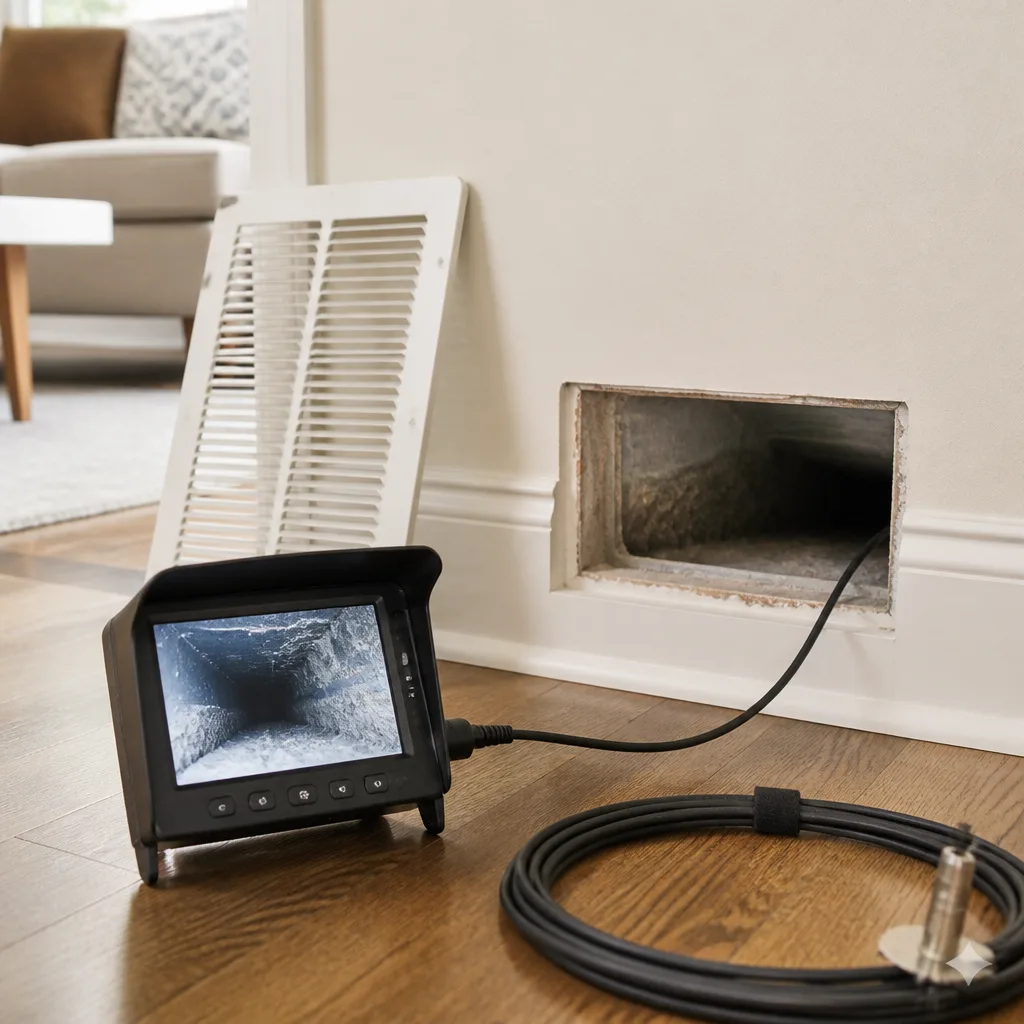 Camera inspection
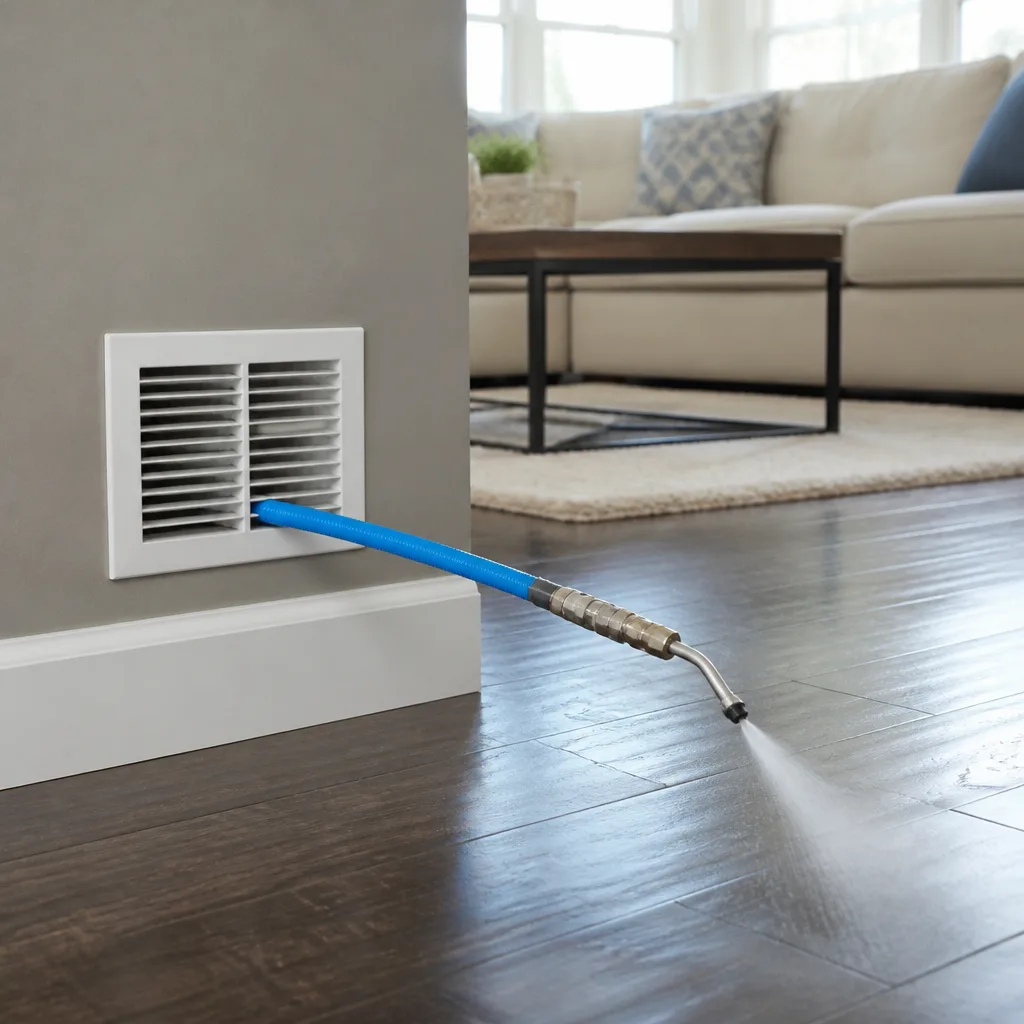 Sanitizing & deodorizing
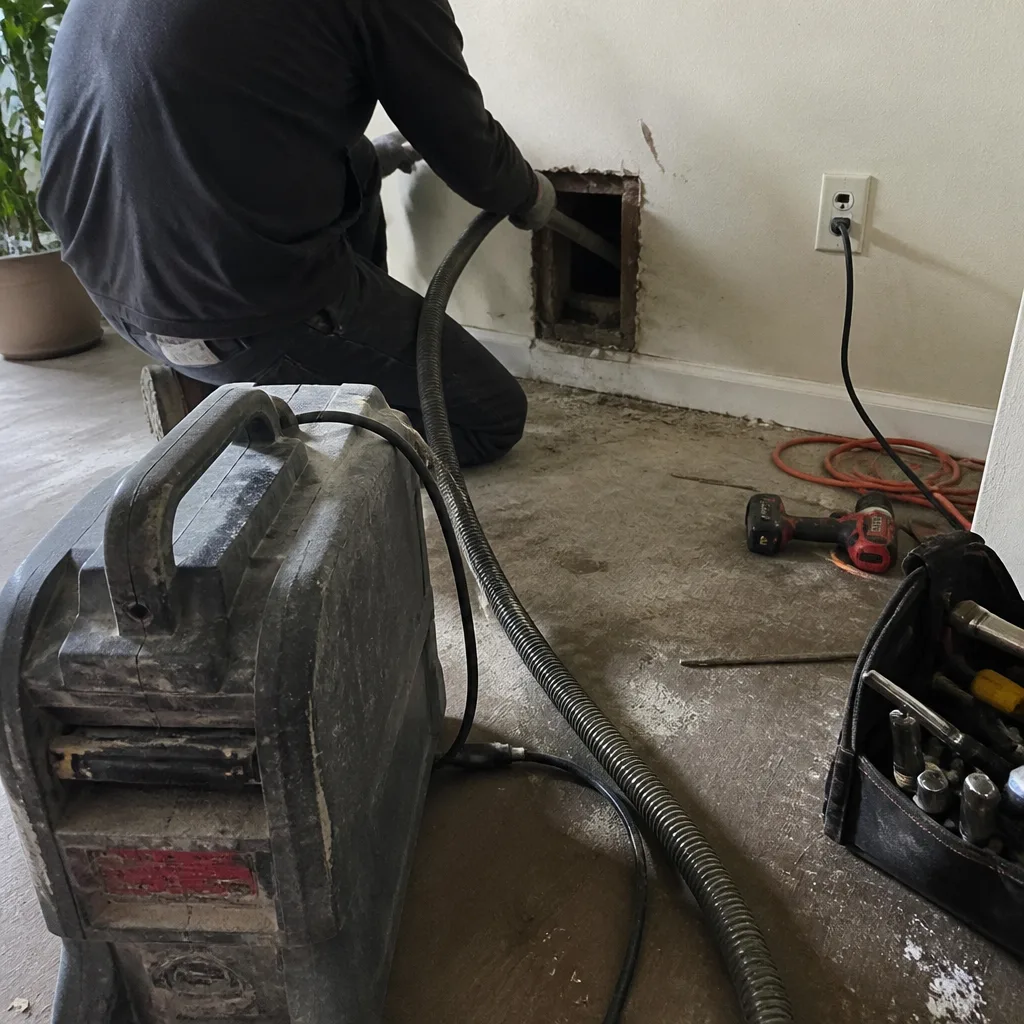
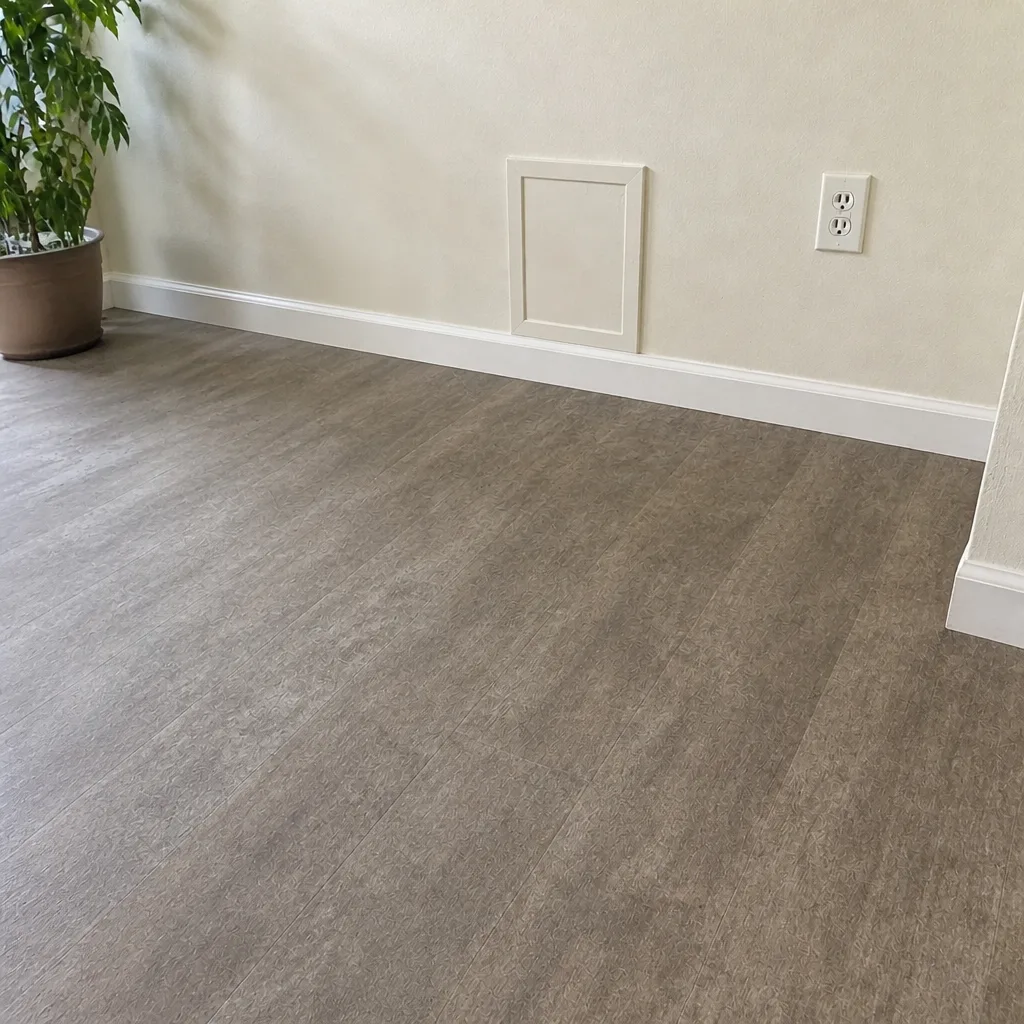
Whole-system duct and dryer vent check with before-and-after photos - you see exactly what came out of your vents
That "$99 whole-house special" is a bait ad - the real number appears once they are in your hallway, or the "clean" is a shop-vac at the register. We photograph the inside of your ducts before and after instead.
DIY vs Professional Air Duct Cleaning: The Highland Park Homeowner’s Decision Guide
A shop vac taped to a floor register doesn’t pull debris out of your ductwork. It creates positive pressure on the return side of the system, which can loosen dust and lint and shove it deeper toward the blower instead of capturing it. That’s not a technique problem you can fix with a longer hose or a better nozzle. It’s a physics problem, and it’s the reason the DIY-versus-professional question for Highland Park homes is mostly about equipment physics rather than money. In this guide we’ll cover what consumer tools can and can’t do, what you can safely handle yourself, which Highland Park conditions make a failed DIY attempt worse, and how to figure out whether the savings are real.
Styles & brands we work with
- Whole-home duct cleaning
- Dryer vent cleaning
- Camera inspection
- Sanitizing & deodorizing
Quick Answer
Professional air duct cleaning in Highland Park gets the job done because it uses sealed negative-pressure systems with HEPA filtration and rotary agitation, which consumer equipment physically cannot replicate. For a homeowner, DIY work is reasonable for register cleaning, filter changes, visual dryer vent inspection, and grate wiping, but the interior of the duct system itself needs professional extraction or you risk pushing contaminants deeper into the system. Call (844) 702-0753 for a free estimate if your ducts haven’t been cleaned or if you suspect contamination.
Table of Contents
- The Physics Gap: Why Your Shop Vac Can’t Do This
- What You Can Legitimately Do Yourself
- Highland Park Contamination Scenarios Where DIY Backfires
- The Cost Math: DIY Savings vs. Remediation Cost
- The Documentation Gap That Costs You at Sale
- What a Professional Duct Cleaning Actually Involves
- How to Judge a Duct Cleaning Quote
- When to Stop DIY and Call
- Common Mistakes to Avoid
- When to Call a Professional
- Frequently Asked Questions
The Physics Gap: Why Your Shop Vac Can’t Do This
Professional duct cleaning relies on a negative-pressure system, meaning the entire duct network is placed under a continuous vacuum so that disturbed debris is captured by a central HEPA-filtered collection unit rather than released into the room. A shop vac does the opposite when connected to a supply register: it either pulls a small amount of material from a single branch, or when reversed it pressurizes the system and drives loosened dust toward the return plenum and the air handler. Neither outcome is what you want.
Three mechanical differences matter more than anything else in this comparison:
- Airflow volume. Truck-mounted and high-capacity portable vacuum units move thousands of cubic feet per minute of airflow through the sealed system. Consumer wet/dry vacuums are rated in a few hundred CFM at best, and usually much less once a hose, brush, and filter restriction are added. That volume ratio is what separates extraction from agitation.
- Sealed-system requirement. Professional cleaning isolates the whole system, seals every register but the one being worked, and pulls air toward a single collection point. Consumer equipment can’t seal anything. Every gap becomes a cross-contamination path once you disturb debris.
- Agitation without release. Rotary brush systems like those from Rotobrush physically scrub the interior wall of the duct while under vacuum, so contamination is loosened and captured in the same motion. A hand brush on a drill does the loosening without the capture.
The consequence of getting the physics wrong isn’t a mild disappointment. Dislodged contamination ends up on exchanger coils, in living space, or pressed into the flexible liner of older duct branches where it can sit and re-enter the supply airflow with every call for heat or cooling. If you want a fuller picture of what the extraction process looks like when it’s done properly, our primer on air duct cleaning walks through the full scope.
What You Can Legitimately Do Yourself
Most homes don’t need a full-system cleaning on a set schedule. They need sensible maintenance, and there’s a real list of things a Highland Park homeowner can do without risk. Doing these well often postpones the professional call for years.
- Swap filters on schedule. Use the filter your HVAC manufacturer specifies, and change it based on pressure drop rather than a fixed calendar. During wildfire smoke season, check it more often than you otherwise would.
- Clean register grilles and diffusers. Remove them, wipe both faces with a damp cloth, and dry thoroughly before re-installing. This doesn’t touch the interior duct, but it does stop surface dust from feeding back into supply airflow.
- Do a visual dryer vent inspection. From outside, confirm the exterior damper opens freely when the dryer runs, and confirm airflow feels strong. From inside, disconnect the dryer connection and look at the first few feet of vent with a flashlight. If you see heavy lint buildup, or if the vent run is long and concealed inside a wall, stop and get it cleaned. For houses where the run is short and accessible, our page on dryer vent cleaning explains why this one is more urgent than most people assume.
- Sanitize the register grates themselves. A food-safe disinfectant on the grates (not inside the ducts) reduces what’s sitting in the airstream at point of delivery.
- Keep the return path clear. Furniture, rugs, and curtains over return grilles choke airflow and encourage dust settling throughout the system.
What none of these do is clean the interior duct surfaces, the plenum, the evaporator coil, or the supply trunk. Those are the surfaces that hold contamination, and they’re the surfaces that require equipment the homeowner doesn’t have.
Highland Park Contamination Scenarios Where DIY Backfires
Highland Park homes carry two contamination patterns that make DIY attempts riskier than they’d be in a newer, cleaner building. The first is smoke exposure. Our region’s wildfire seasons move fine particulate into homes through return air, and it settles on dust films inside ductwork rather than passing through. The second is age. Much of the housing stock in neighborhoods like Garvanza, Hermon, and Mount Washington includes flexible duct runs installed decades ago, and interior liners on that vintage degrade over time. Once the liner starts breaking down, the duct itself becomes the particulate source.
In either case, a consumer vacuum is exactly the wrong tool. On smoke-fouled systems, it agitates the settled film without capturing it, and the homeowner ends up breathing the particulate back through supply registers within minutes. On aging flex duct, the brush or nozzle catches the failing liner and tears it further, which turns a cleaning into a duct repair job.
We’ve watched both patterns play out enough times to say it plainly: if you can smell mustiness when the system starts, if you’ve lived through a smoke event and the house hasn’t been professionally cleaned since, or if your ducts are older flexible runs, the DIY option is off the table. Remediation-grade equipment, the kind we pull in from Abatement Technologies when conditions ask for it, exists precisely because consumer tools can’t address these cases. Full-system HVAC cleaning also handles the coil and plenum, which are often where smoke contaminants concentrate.
The Cost Math: DIY Savings vs. Remediation Cost
A whole-system professional cleaning is a scheduled job with a defined price agreed before work starts. A DIY attempt that goes wrong is not. The honest way to think about the comparison is to model three outcomes, not two.
| Scenario | What it involves | Cost direction |
|---|---|---|
| Legitimate DIY maintenance | Filters, register wiping, visual dryer vent checks | Low cost, extends time between professional cleanings |
| DIY attempt that does nothing | Shop vac on supply registers, no capture, no agitation | Money spent on equipment, no improvement, professional job still needed |
| DIY attempt that disturbs contamination | Debris pushed into return, liner torn, coil fouled | Professional cleaning plus duct repair or partial replacement |
Run the numbers on your own home: if the shop vac method has a realistic chance of landing in the third row, the “savings” only exist if you’re confident it lands in the first. For most Highland Park homes with older flex duct or smoke exposure history, the honest expected value of a DIY attempt is negative. The written estimate from a professional sets the price of a professional cleaning. There’s no written estimate when you’re doing it yourself, and no ceiling on what a remediation job can cost after a mistake.
The Documentation Gap That Costs You at Sale
Consumer-grade cleaning produces no paper trail. A professional job produces a service record with the date, the systems cleaned, the equipment used, and before-and-after photos of your own ducts. That record matters in two situations Highland Park homeowners routinely run into.
- Home sale. Buyers and their inspectors ask for maintenance records. A documented duct cleaning is a checkmark on the disclosure package. A homeowner saying “I cleaned them myself” is not.
- Insurance claims. Smoke, water intrusion, and post-renovation cleanup claims are easier to support when you can show what was done and when. Before-and-after photos of the actual system are strong supporting evidence.
There’s also a liability angle. If a duct fire, mold remediation, or air quality dispute comes up, the homeowner who can produce a professional record of the cleaning has a much cleaner position than one who cannot. That gap is a real reason to schedule at least one professional cleaning rather than rely entirely on DIY upkeep.
What a Professional Duct Cleaning Actually Involves
When you hire a Highland Park air duct cleaning service that uses remediation-grade equipment, the job follows a defined sequence. Here’s what the process looks like, step by step, so you know what to expect on the day.
- System evaluation and seal check. Technicians inspect the duct layout, register count, and system type, and identify any gaps or disconnected runs that would undermine a sealed-system cleaning.
- Containment setup. A negative-air machine pulls the work area under continuous vacuum so nothing escapes into the living space during the process. This is where Abatement Technologies equipment comes into play when conditions call for it.
- Rotary brush agitation and HEPA extraction. A rotary brush system (Rotobrush equipment) is run through each branch while a Nikro HEPA vacuum pulls at the collection point. Particles down to 0.3 microns are captured rather than recirculated.
- HVAC component cleaning. The blower, evaporator coil, and plenum are cleaned as part of full-system service, not skipped.
- Duct repair and sealing where needed. Gaps, disconnected joints, and failing liner sections get addressed. This is the step most duct cleaners skip, and it’s the one that determines whether the system stays clean.
- Air quality treatment. When microbial growth or odor is present, sanitizing with Honeywell or Aprilaire products supports whole-home air quality after the mechanical work is done.
- Documentation. Before-and-after photos of your ducts and a written service record for your file.
Our technicians have up to 8 years of experience running this exact sequence. To understand the full scope of what a professional visit covers, see the services we provide at Highland Park Air Duct Cleaning Pros.
How to Judge a Duct Cleaning Quote
Not every professional quote is a good one, and the industry has earned its reputation for bait-and-switch pricing. The way to protect yourself is to ask the right questions before anyone shows up.
- “Is the price a flat price for the whole system, agreed before work starts?” If the answer involves per-vent pricing or a low teaser that expands once the technician is on site, walk away.
- “What equipment do you use?” Listen for rotary brush systems, HEPA-rated extraction, and negative-air containment. If the answer is a generic “professional vacuum,” ask more.
- “Do you offer duct repair and sealing?” Cleaning a system with leaks and disconnected runs wastes the cleaning. If repair isn’t on the menu, the job is incomplete.
- “Will I get before-and-after photos of my own ducts?” Legitimate work can be documented. DIY work and shortcut work cannot.
- “What does the estimate include and what’s excluded?” Any line-item surprise after the fact is a red flag.
When the answer list looks like this, the free estimate is the right place to start.
When to Stop DIY and Call
There’s a clear point where the DIY conversation ends. If any of the following describes your home, the shop vac method isn’t a lower-cost version of the professional job. It’s an experiment with your air system.
- You’ve never had the ducts professionally cleaned and the home is more than a decade old.
- You recently bought a Highland Park home from a previous owner and don’t have documentation of past cleaning.
- The house went through a wildfire smoke event without duct cleaning afterward.
- You smell mustiness or dampness when the HVAC kicks on.
- Your ductwork is older flexible runs and you’re unsure of liner condition.
- You’ve had a recent renovation, water intrusion, or pest issue that could have loaded the ducts.
Each of these is a reason to get a professional evaluation rather than a reason to try harder with a consumer vacuum.
Common Mistakes to Avoid
- Pointing a shop vac at a supply register and calling it duct cleaning. It agitates without capturing. The contamination ends up in the airstream or deeper in the system, not in the vac.
- Using a leaf blower or compressed air to “clear” the ducts. This borrows the shape of a professional technique without the collection side. Every particle loosened ends up in the living space or the air handler.
- Ignoring a failing flexible duct liner. In older Highland Park homes, a liner that’s already degrading can’t survive a consumer brushing. If you suspect liner damage, get it inspected rather than scrubbed.
- Buying into per-vent pricing. A per-vent quote usually starts low and grows as the job goes. Ask for a flat price for the whole system, in writing, before work starts.
- Assuming “the ducts don’t need cleaning if we’ve lived here a while.” Smoke events, renovations, and aging ductwork accumulate contamination whether or not you notice a smell.
- Skipping duct repair and sealing after cleaning. Cleaning a leaking system just means the next batch of contaminants gets in faster. The repair is where the longevity comes from.
- Relying on a screen-only cleaning provider who doesn’t touch the HVAC coil. The coil and plenum hold a large share of contamination and re-release it into supply air. If the quote doesn’t include them, ask why.
When to Call a Professional
Call a professional when the situation calls for equipment you don’t have, or when the risk of making things worse is real. That includes: older ductwork with uncertain liner condition; a home that’s been through wildfire smoke; visible dust trails from supply registers; musty odor on startup; recent renovation or water damage; any suspicion of mold or pest activity in the system; and any time you’re preparing to sell or file an insurance claim and need documentation. Highland Park Air Duct Cleaning Pros offers free estimates in Highland Park – call (844) 702-0753. We answer 24/7. Fast dispatch from 7am to 7pm, Sunday through Friday. The written estimate sets the price, per job, before any work begins.
Frequently Asked Questions
No. A shop vac can remove surface dust from a register grille, but it cannot pull contamination out of the duct interior because it doesn’t create the sealed negative pressure that professional equipment produces. When connected to a supply register it often creates positive pressure on the return side and pushes debris deeper into the system. If you want the interior cleaned, you need rotary brush agitation plus HEPA extraction under negative pressure. Call (844) 702-0753 for a free estimate.
Pricing depends on system size, register count, condition, and whether repair or sanitizing is needed, so the honest answer is that you need a written estimate for your specific home rather than a comparison figure. What we can tell you is that our pricing is one flat price per system, agreed before work starts, with no per-vent add-ons. That removes the bait-and-switch pattern that makes so many duct cleaning quotes unreliable. Call (844) 702-0753 and we’ll set up a free estimate.
Usually because the cheaper quote doesn’t actually clean the full system. Common shortcuts include skipping the HVAC coil and plenum, skipping the sanitation step, skipping duct repair and sealing, or using a shop vac in place of a professional extraction system. A quote is only comparable if it covers the same scope. Ask what’s included and what’s excluded, then compare. Call (844) 702-0753 if you want a straight-scope estimate for your home.
Ask for before-and-after photos of your own ducts, not stock photos. Legitimate professional work captures the interior of specific branches before and after the cleaning, and a service record documents what was cleaned and when. If a provider can’t give you photos and a written record, you have no way to verify the work. Call (844) 702-0753 to schedule a job where the documentation comes standard.
There’s no universal schedule. Homes typically benefit from a professional cleaning every several years, sooner if there’s been a renovation, a smoke event, water intrusion, pest activity, or visible dust at registers. In Highland Park specifically, wildfire smoke years often trigger cleaning cycles sooner than the usual interval, especially in older homes with flexible duct runs. Call (844) 702-0753 for an evaluation and we’ll tell you honestly whether it’s time.
Yes, in specific situations. Consumer brushes and nozzles can tear a failing flexible liner in older homes, and shop vacs and leaf blowers can push debris past disconnected joints into the air handler or the living space. If your ducts are older flex runs or you suspect smoke contamination, the safe choice is professional evaluation rather than a DIY attempt. Call (844) 702-0753 for a free estimate before trying anything yourself.
Remediation-grade cleaning uses HEPA-rated negative-air equipment like the machines from Abatement Technologies, the same class of equipment used in remediation work where containment is critical. Standard residential cleaning sometimes stops at surface vacuuming with consumer-grade equipment. Remediation-grade containment is what makes the difference on homes with smoke exposure, microbial growth, or significant contamination. We bring that tier of equipment when conditions call for it. Call (844) 702-0753 to discuss which tier your home needs.
The Bottom Line
The DIY-versus-professional question is not really about cost. It’s about physics: consumer equipment can’t create the sealed negative pressure that professionals rely on for extraction, and in Highland Park’s smoke exposure and aging flex duct conditions, an attempt that goes wrong makes the underlying problem worse. DIY work makes sense for filters, register wiping, visual dryer vent checks, and grate sanitizing. The interior of the duct system, the coil, the plenum, and any repair or sealing – those need professional equipment and professional documentation. If you want to know what’s actually going on in your system, get an evaluation before spending another dollar on shop vac attachments.
Call (844) 702-0753 for a free estimate. We answer 24/7. Fast dispatch from 7am to 7pm, Sunday through Friday. One flat price per system, agreed before any work starts, with before-and-after photos of your own ducts.
Written by the team at Highland Park Air Duct Cleaning Pros.
See the difference
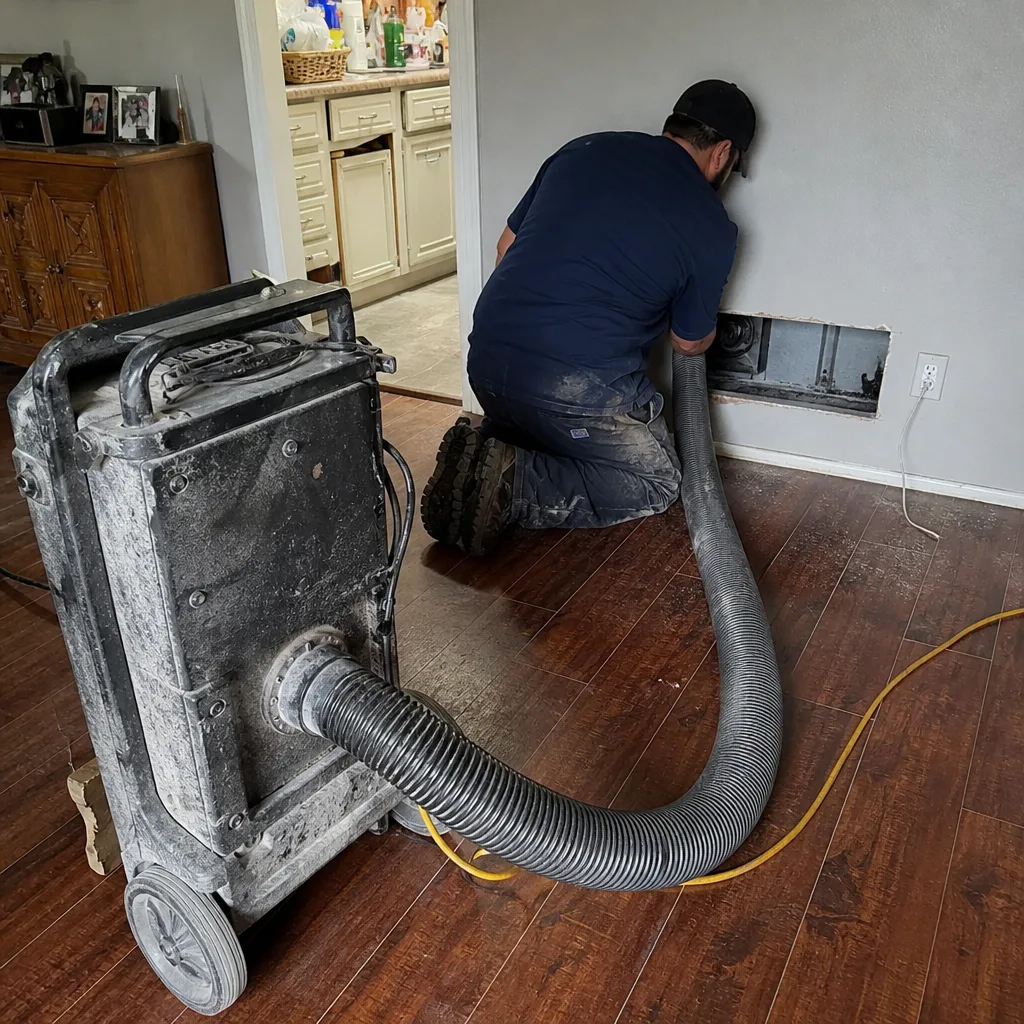 Before
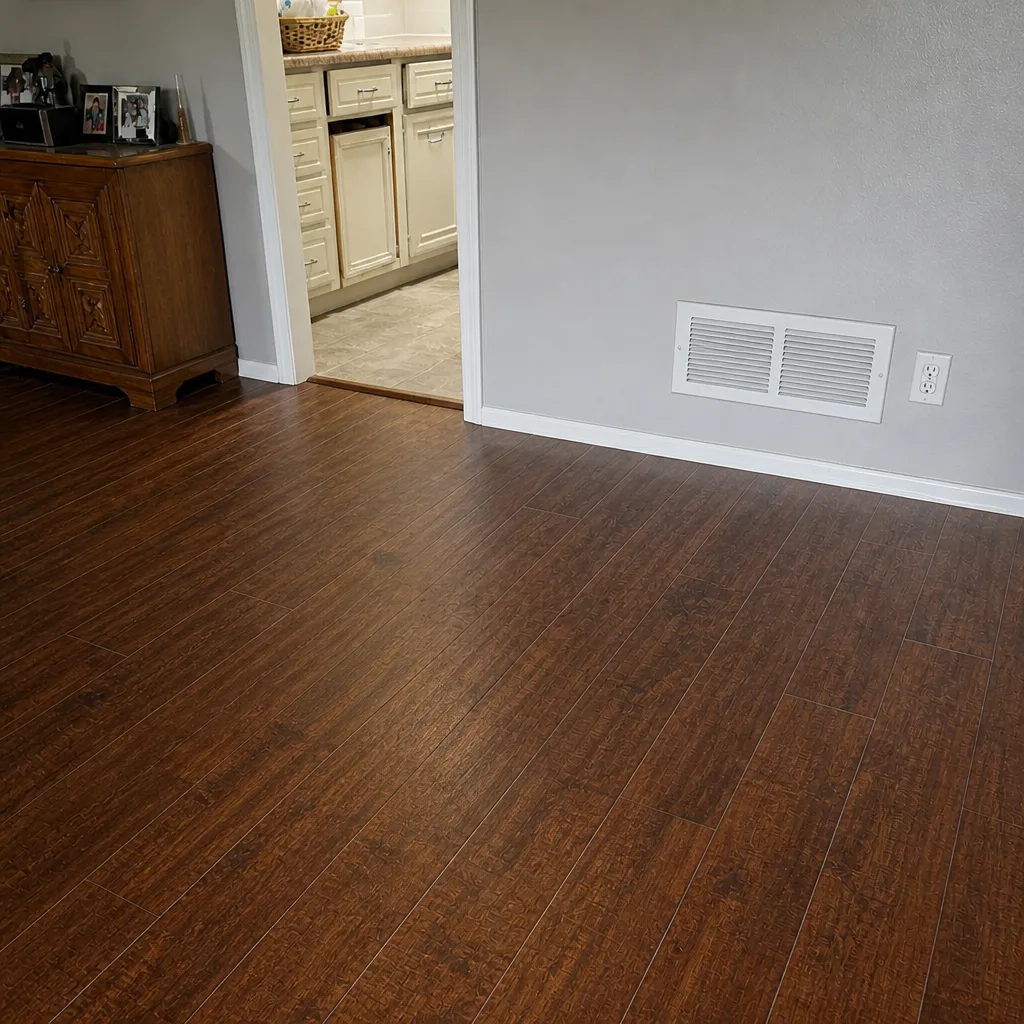 After
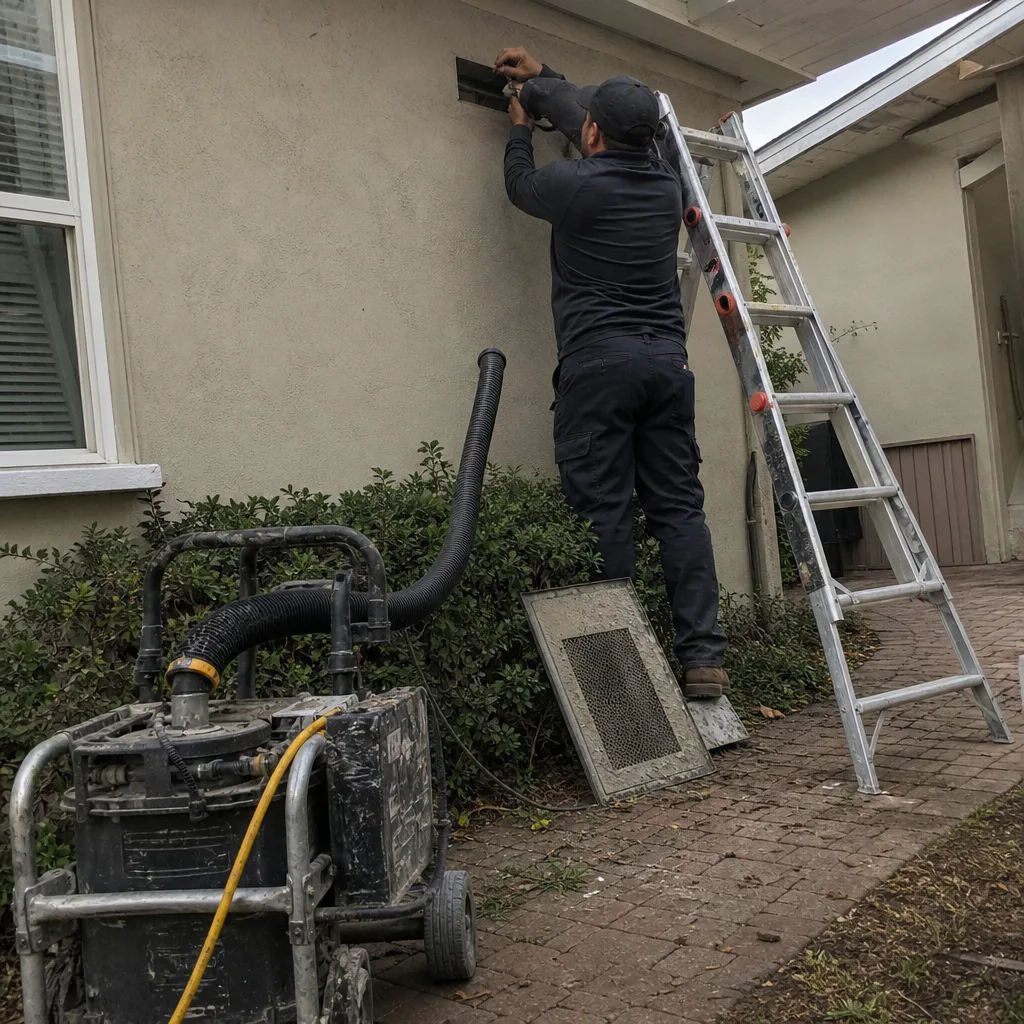 Before
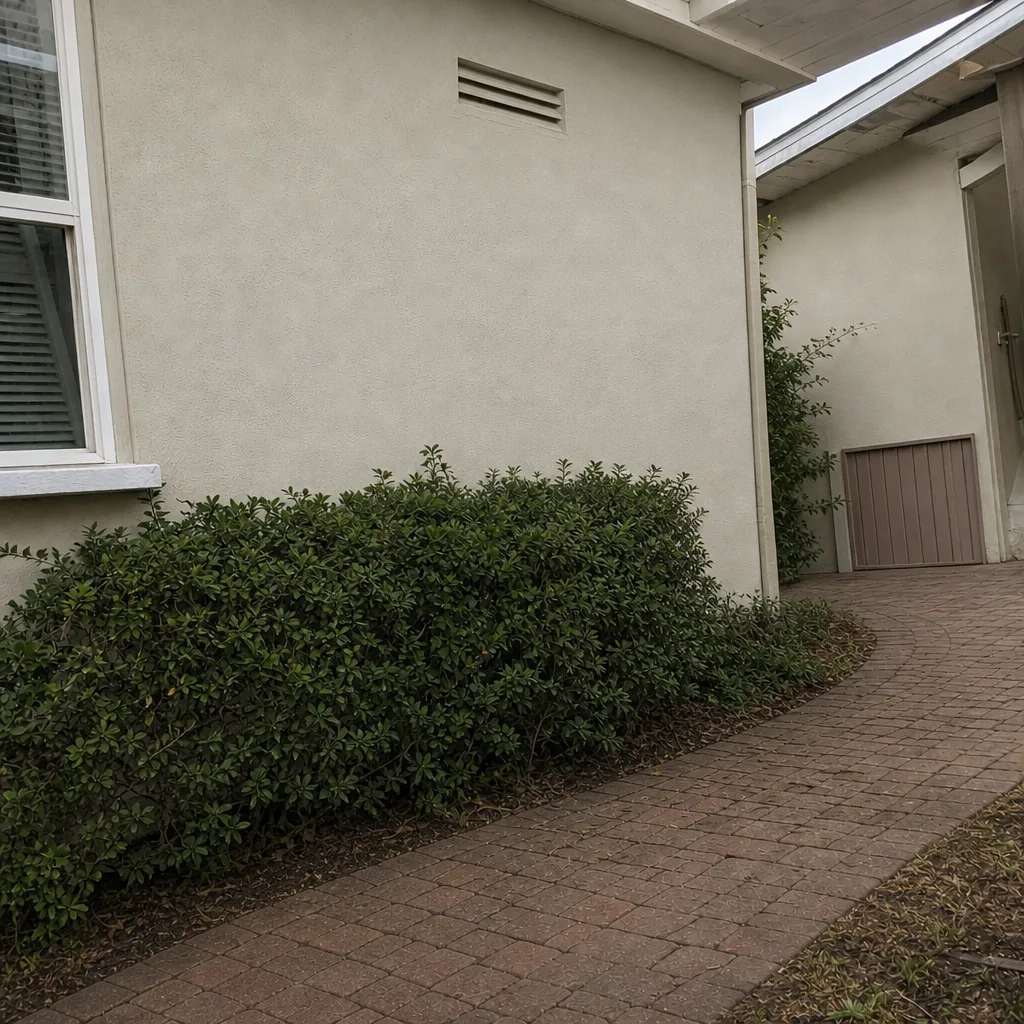 After
 Before
 After