
Last updated November 22, 2026
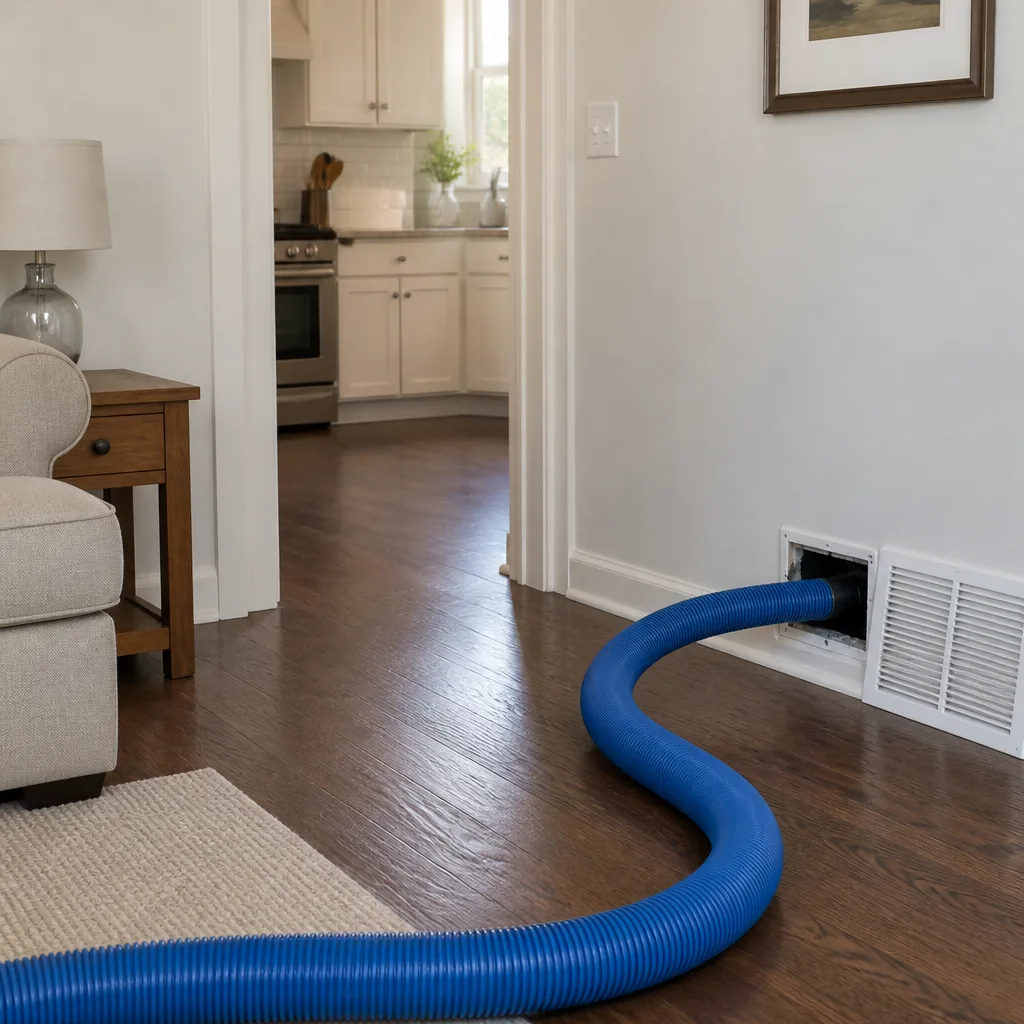 Whole-home duct cleaning
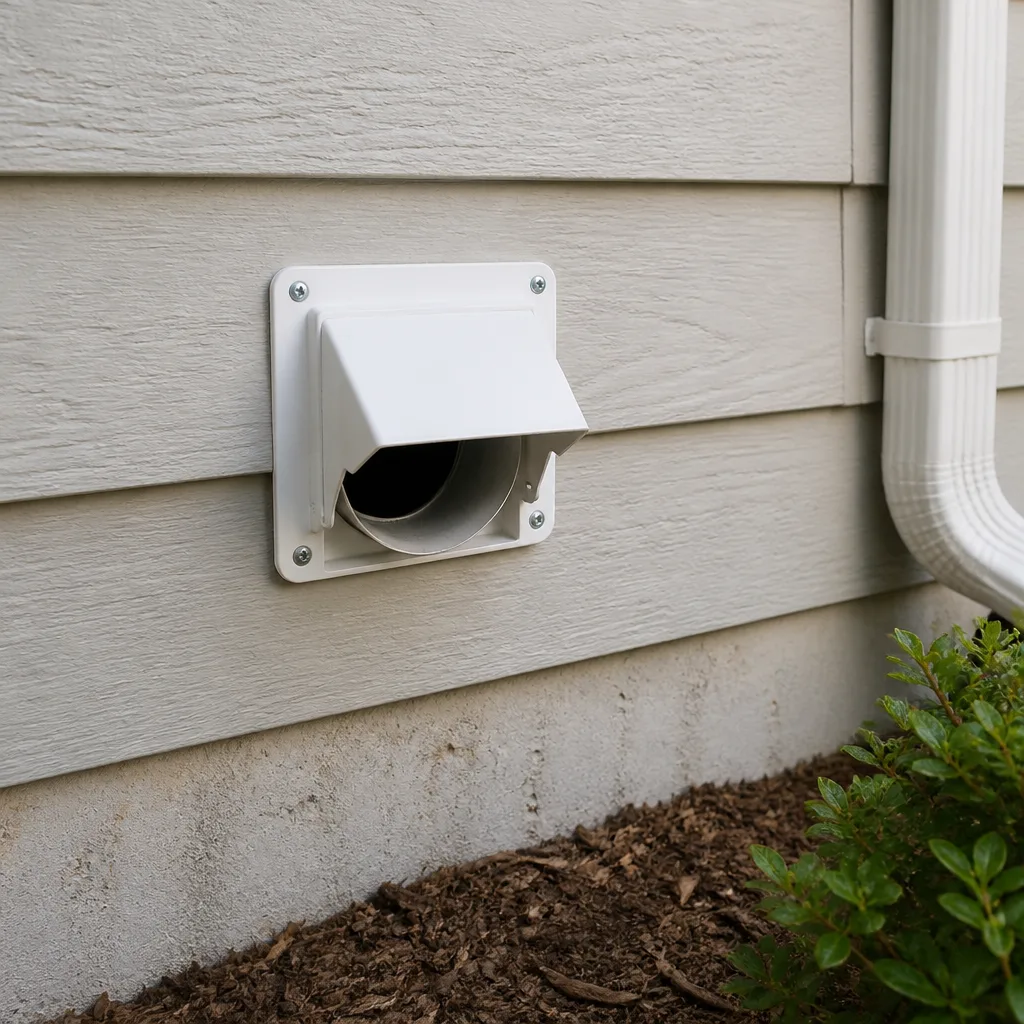 Dryer vent cleaning
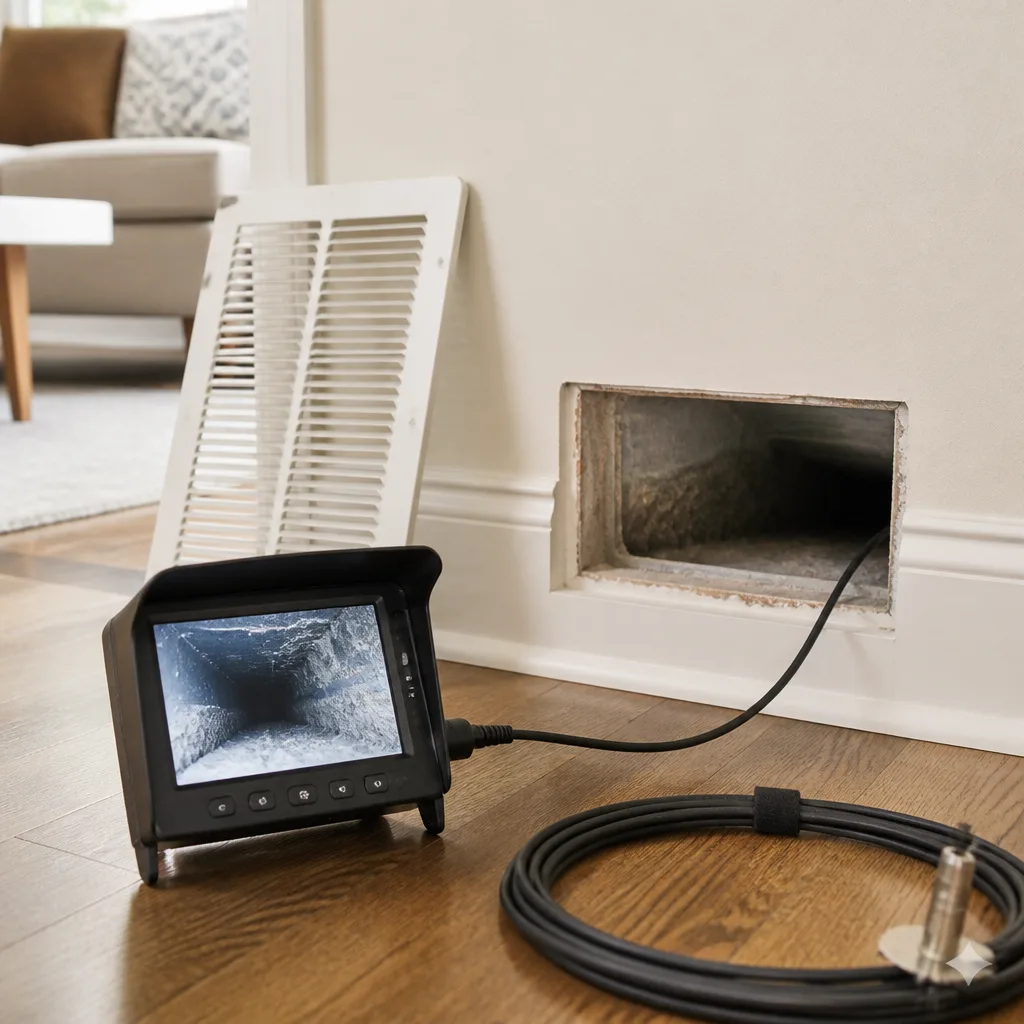 Camera inspection
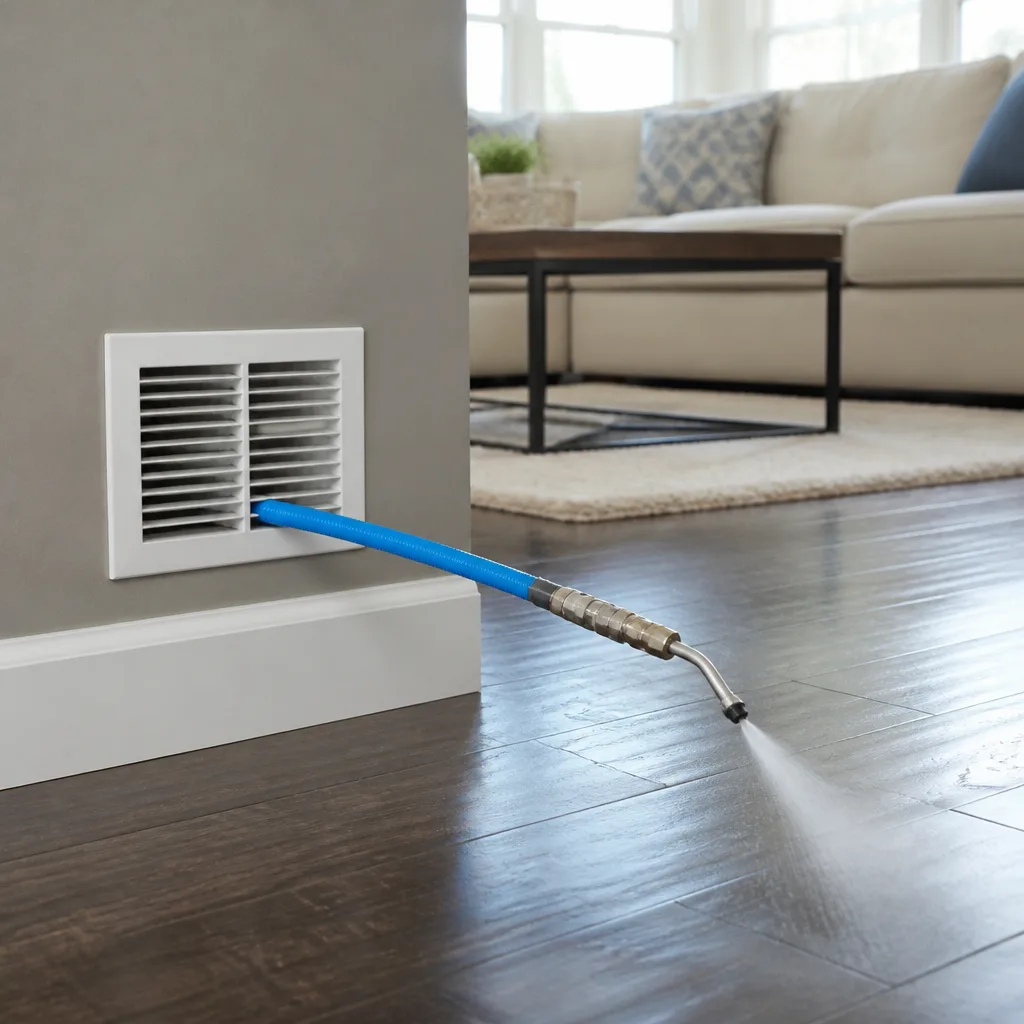 Sanitizing & deodorizing
Whole-system duct and dryer vent check with before-and-after photos - you see exactly what came out of your vents
That "$99 whole-house special" is a bait ad - the real number appears once they are in your hallway, or the "clean" is a shop-vac at the register. We photograph the inside of your ducts before and after instead.
Seasonal Air Duct Cleaning Care for Highland Park: Year-Round Homeowner’s Guide
Most homeowners assume their ducts need attention twice a year: once in spring, once in fall. That calendar was built for places with four equal seasons. Highland Park doesn’t work that way. Our year splits into fire weather season, marine layer season, and the dry stretches in between, and each one pushes a different kind of load through your ductwork. A spring/fall routine can miss both the October wind events that drive fine particulate into a house and the humid summer weeks that let dust clump and settle. This guide lays out a schedule built around Highland Park’s actual conditions, so you’ll know when cleaning, sealing, and filter changes do the most good. We’ll cover what each season does to your ducts and how to time professional work around it.
Quick Answer
In Highland Park, the best times to schedule air duct cleaning are late spring (before marine layer humidity builds) and early fall (before Santa Ana wind season begins in October). Beyond those two windows, the most important maintenance is filter changes before and after fire weather events, plus a full-system inspection whenever you notice reduced airflow, visible dust at the registers, or lingering odors. Cleaning once a year isn’t wrong, but timing it to Highland Park’s wind and humidity cycles matters more than hitting a generic spring or fall date.
Styles & brands we work with
- Whole-home duct cleaning
- Dryer vent cleaning
- Camera inspection
- Sanitizing & deodorizing
Table of Contents
- Why Highland Park’s Seasons Don’t Match a Standard Maintenance Calendar
- Santa Ana Season: October Through March and What It Does to Your Ducts
- Marine Layer Season: Humidity, Dust Clumping, and Mold Risk
- Wildfire Smoke Events: Adjusting HVAC Use to Protect Your Duct System
- Post-Fire-Season Cleaning Versus Routine Annual Cleaning
- Building a Year-Round Maintenance Schedule for Highland Park
- Neighborhood Notes: What We See Across Highland Park
- Why Cleaning Method Matters More Than Cleaning Frequency
Why Highland Park’s Seasons Don’t Match a Standard Maintenance Calendar
Highland Park sits in a pocket of Los Angeles where the weather is shaped more by wind patterns and the marine layer than by temperature swings. Our winters are mild. Our summers are dry. What changes across the year isn’t the thermometer so much as what’s moving through the air and how much moisture it carries. That matters for ductwork because ducts accumulate whatever the air around them carries.
A generic maintenance calendar assumes the heaviest duct load comes from heating season and cooling season. Here, the heaviest load comes from three distinct events:
- Santa Ana wind events, which typically run October through March and push dry, particulate-heavy air across the region from inland.
- Marine layer cycles, which bring cool, humid air into the basin during late spring and summer mornings, then burn off by afternoon.
- Wildfire smoke episodes, which can occur any month but cluster around the same wind events that drive Santa Ana conditions.
Each of these puts a different kind of stress on a duct system. Santa Ana winds bring fine dust and ash that can infiltrate through return-side gaps and loose joints. Marine layer humidity raises the moisture content of dust already sitting in the ducts, which makes it clump and adhere to duct walls instead of staying airborne. Smoke events load the return with combustion particulate that a standard filter catches only partially.
The practical takeaway: don’t schedule duct cleaning by month on a wall calendar. Schedule it around Highland Park’s wind and humidity patterns. Two cleanings timed to those patterns usually outperform three cleanings timed to spring, summer, and fall.
Santa Ana Season: October Through March and What It Does to Your Ducts
Santa Ana winds are the single biggest seasonal driver of duct contamination in Highland Park. These dry, gusty offshore winds typically arrive between October and March and carry fine particulate from inland areas across the basin. That particulate finds its way into homes through the same paths air takes: return grilles, loose duct joints, and any gap in the building envelope. Once inside the return side, it settles into the duct runs and the air handler.
What actually happens inside your ducts during a Santa Ana event
During a multi-day wind event, the pressure on the exterior of a house can shift enough that air infiltration increases measurably. Fine dust and ash drawn in through return leaks settle on duct interiors, the blower wheel, and the evaporator coil. If your return ducts have gaps or poorly sealed joints, more of that particulate bypasses the filter entirely and coats surfaces downstream. That’s why air duct cleaning scheduled just before October often makes a bigger difference than cleaning scheduled in, say, July.
Pre-Santa Ana filter prep: a short checklist
- Replace the HVAC filter in late September, before wind season starts, with the highest MERV rating your system’s manufacturer specifies.
- Inspect return grilles and any accessible duct joints for visible gaps; a small gap on the return side pulls unfiltered air into the system.
- Note any rooms where dust builds up faster than others during wind events; those often point to a specific leak.
- Consider scheduling a duct repair and sealing evaluation before October if you’ve never had the system inspected.
- After the first major wind event of the season, check the filter again. If it’s visibly loaded after a few weeks, that tells you the system is seeing heavy infiltration.
Filter changes alone don’t remove what’s already settled inside the ducts. But timing them to the wind season cuts how much new material reaches the coil and blower. For Highland Park homeowners who’ve never had the ducts cleaned, the first Santa Ana season after moving in is usually the moment the need becomes obvious.
Marine Layer Season: Humidity, Dust Clumping, and Mold Risk
Late spring and summer in Highland Park bring the marine layer: cool, moist air that pushes inland overnight and retreats by midday. The daily humidity swing is modest by coastal standards, but it’s enough to change how dust behaves inside a duct system. Dry dust stays loose and can be carried to the filter. Moisture-exposed dust clumps, adheres to duct walls, and becomes harder to remove with a vacuum alone.
Why humidity matters more than most homeowners expect
When humidity rises inside a duct run, three things happen at once. Dust particles absorb moisture and stick to surfaces. Any organic material in the duct, such as skin cells, pet dander, or fine plant debris, becomes a potential food source for microbial growth. And the cool interior surfaces of ducts running through unconditioned spaces can drop below the dew point of the surrounding air, creating condensation.
None of that guarantees mold will grow. But it raises the odds for ducts that are already dirty and haven’t been sealed. This is where duct repair and sealing becomes a genuine air quality measure, not just an efficiency upgrade. Sealing leaks on the return side reduces how much humid outside air gets pulled in during marine layer mornings. Our HVAC cleaning service covers the coil and air handler, which is where moisture-driven microbial growth most often starts.
What to watch for during marine layer months
- A musty or damp smell when the system first kicks on in the morning.
- Visible dark spotting on grilles, registers, or the accessible interior of the air handler cabinet.
- Increased allergy symptoms that track with the morning marine layer and improve by afternoon.
- Condensation on duct surfaces in garages, attics, or crawlspaces.
If you notice any of those signs, it’s worth scheduling an evaluation before the next dry stretch. Cleaning scheduled late spring catches the dust load before humidity gets a chance to bind it to duct walls. Sanitizing services using Honeywell and Aprilaire products can address microbial growth once the mechanical cleaning is done, but sanitizing isn’t a substitute for removing the material in the first place.
Wildfire Smoke Events: Adjusting HVAC Use to Protect Your Duct System
When wildfire smoke settles over Highland Park, the instinct is to close the windows and run the air conditioning. That’s roughly right, but the details matter for your duct system. Running the system during a smoke event pulls outside air through the return and loads the filter with combustion particulate. If the ducts are leaky on the return side, some of that smoke bypasses the filter and coats the interior surfaces downstream.
How to run your system during a smoke event
- Close all windows and exterior doors. Keep them closed for the duration of the event, even overnight.
- Set the system to recirculate rather than pulling in outside air, if your thermostat or system controls allow it.
- Use a higher-MERV filter than usual if your system’s manufacturer allows it. Don’t exceed the rated maximum, because a filter that’s too restrictive can strain the blower.
- Check the filter every few days during a prolonged event. Smoke particulate loads filters faster than normal household dust.
- After the event ends, replace the filter and run the system on fan-only for a short period to help clear the return side.
- If the event lasted more than a few days, or if you noticed visible smoke smell inside the house even with windows closed, schedule an evaluation of the duct system.
What we don’t recommend
Don’t seal off the return grilles or tape over registers to “block smoke.” That disrupts system airflow, can strain the blower, and doesn’t stop infiltration through other paths. Don’t run a portable air cleaner in one room and assume the rest of the house is covered. And don’t skip the filter change after a multi-day event because the filter “still looks fine.” Smoke particulate is fine enough to load a filter’s surface without obvious visible buildup on the downstream side.
If a smoke event coincides with a Santa Ana wind episode, the load doubles: fire particulate plus dry inland dust. Those are the weeks when Highland Park duct systems take on the most contamination in the shortest time. Homeowners who run the system through those events usually benefit from a full cleaning before the next October.
Post-Fire-Season Cleaning Versus Routine Annual Cleaning
An annual cleaning and a post-fire-season cleaning are not the same scope of work. Annual cleaning removes the accumulated dust, dander, and debris that build up with normal occupancy. Post-fire-season cleaning has to address combustion particulate, ash that settled into return runs, and in worse cases, lingering smoke odor that has bonded to duct surfaces or insulation.
How the two scopes differ
- Routine annual cleaning covers the supply and return runs, registers, and air handler, using rotary brush agitation and HEPA vacuum extraction. It’s a maintenance procedure.
- Post-fire-season cleaning starts with the same mechanical cleaning but often adds a deeper inspection of the air handler and coil, a more thorough treatment of return-side surfaces, and sanitizing where odor or microbial growth is present.
- Sealing becomes part of the scope if inspection finds gaps that let smoke-laden air bypass the filter. Cleaning without sealing in that situation means the next event just re-contaminates the system.
- Verification matters more after a fire event. Before-and-after photos of the actual duct interiors are the clearest way to know the scope was completed.
In our experience, homeowners who live through a significant smoke event often assume a standard cleaning will take care of it. It usually helps, but the filter bypass and odor issues that follow a fire season are the ones a routine cleaning can miss. That’s why we use remediation-grade Abatement Technologies negative-air equipment when conditions call for it. The same HEPA-rated containment used in remediation work keeps particulate from spreading through the house during the cleaning itself.
If you know a fire season has hit your neighborhood hard, ask for a scope that includes inspection of the air handler and any accessible duct joints, not just the runs. The difference between annual and post-fire cleaning shows up in what’s inspected, not just what’s vacuumed.
Building a Year-Round Maintenance Schedule for Highland Park
Here’s how to time duct maintenance around Highland Park’s actual climate events rather than a generic calendar. The month ranges below reflect when each condition typically appears; adjust slightly if the year runs early or late.
September: pre-wind prep
- Replace the HVAC filter with the highest-rated filter your system allows.
- Inspect return grilles and accessible joints for visible gaps.
- Schedule a duct cleaning for late September or early October if it’s been more than a year, or if you’ve never had one done.
- If inspection finds leaks, schedule duct repair and sealing before wind season.
October through March: wind season watch
- Check the filter after the first major Santa Ana event and every four to six weeks after that.
- Note any rooms that accumulate dust faster than others.
- During wildfire smoke events, follow the smoke-event steps above, then replace the filter after each event ends.
April: post-wind cleaning window
- Schedule a full-system cleaning before marine layer humidity builds, particularly if the winter brought heavy wind or smoke events.
- Have the coil and air handler inspected for accumulated particulate.
- Replace the filter again after cleaning.
May through August: humidity watch
- Watch for musty odors or dark spotting on grilles and registers.
- Keep interior humidity in check; the marine layer mornings push moisture into the house, and running the system with windows closed and doors shut helps.
- If you notice signs of microbial growth, schedule an evaluation. Sanitizing can address microbial growth, but only after mechanical cleaning removes the material feeding it.
Year-round
- Replace the filter every 60 to 90 days under normal conditions, more often during wind or smoke events.
- Have dryer vents cleaned as a separate maintenance task; this is a fire-safety matter and doesn’t depend on climate. We handle dryer vent cleaning as its own service.
- After moving into an older Highland Park home, schedule a full-system inspection before the first fall, since previous owners’ maintenance history is often unknown.
Neighborhood Notes: What We See Across Highland Park
Highland Park is a mix of older single-family homes, hillside properties, and newer construction alongside long-established neighborhoods. The housing stock shapes what a duct system sees over a year. Here’s what tends to come up:
- Hillside homes above York Boulevard and toward the north edge of the neighborhood often see higher wind exposure during Santa Ana events. Return-side leaks there tend to draw in more particulate during the season.
- Older homes with original ductwork often have more unsealed joints, which makes duct repair and sealing a bigger part of the schedule than cleaning alone.
- Homes near the Arroyo Seco can see more morning moisture during marine layer cycles, which affects how quickly dust clumps and adheres in the ducts.
- Newer construction with tighter building envelopes usually sees less infiltration, but that also means dust that does get in circulates longer before it’s removed.
- Light-commercial properties along Figueroa and the commercial stretches share the same seasonal drivers but with higher occupancy loads.
What we recommend for one Highland Park home isn’t always the right scope for another. A 1920s bungalow with original metal ducts and a modern hillside build with a heat pump system pull different material into their ducts during the same wind event. That’s why we start every job with a full-system evaluation rather than quoting a one-size scope.
Why Cleaning Method Matters More Than Cleaning Frequency
A well-timed cleaning done with the right equipment beats a frequent cleaning done with a shop vac and a hose. The method determines what actually comes out of the ducts and what stays stuck to the walls.
Rotary brush systems physically agitate the duct interior, dislodging material that surface suction alone won’t move. The loosened debris is then captured by HEPA-rated vacuum equipment, which pulls the material into containment rather than recirculating it back into the room. We use Rotobrush rotary-brush systems for agitation and Nikro HEPA-rated vacuum equipment for capture, along with Guardsman products where a specific treatment is needed. For homes recovering from smoke events or heavier contamination, we deploy Abatement Technologies negative-air machines to keep particulate contained during the job.
Three things to check on any quote, ours or another company’s:
- Does the scope describe rotary brush agitation plus HEPA vacuum extraction, or just “duct cleaning”?
- Does it include the air handler and coil, or only the visible runs and registers?
- Does it address sealing and repair, or only removal?
A cleaning that answers yes to all three is doing more than moving dust. It’s removing the material contamination feeds on, closing the paths new material uses to get in, and giving you air you can measure rather than just feel. For a broader view of the full service scope, the Highland Park Air Duct Cleaning Pros main page lays out all five services side by side. If you’re comparing methods before booking, this guide is the place to start the conversation: our technicians have up to 8 years of experience working with Highland Park’s specific seasonal conditions, and we’re happy to walk through what a scope should include.
Common Mistakes to Avoid
- Following a generic spring/fall calendar. Highland Park’s duct load is driven by wind and humidity patterns, not by temperature swings. Cleaning in late spring and early fall usually serves a Highland Park home better than cleaning in April and October by default.
- Skipping the filter change before October. Filter timing is one of the cheapest forms of duct protection during Santa Ana season. A loaded filter going into wind season just lets more particulate reach the coil.
- Cleaning without inspecting for leaks. If the return side has gaps, a cleaning just clears the path for new contamination. Pair cleaning with an inspection, and consider duct repair and sealing if leaks are found.
- Assuming a post-fire-season cleaning is the same as an annual one. Smoke events leave combustion particulate and odor on surfaces a routine cleaning may not fully address. Ask specifically whether the scope includes the coil and air handler, not just the visible ducts.
- Opening windows during smoke events to “air out” the house. That pulls more smoke into the return side. Keep windows closed, run the system on recirculate, and change the filter after the event ends.
- Ignoring a musty smell in the summer. A damp, musty odor that appears during marine layer months is a sign humidity has reached material inside the ducts. It’s worth an evaluation before it becomes a bigger issue.
- Believing a quote that only covers visible registers. Registers are the easiest part of the job. Ask what happens with the air handler, coil, and return runs, and ask to see before-and-after photos of the actual duct interiors.
See the difference
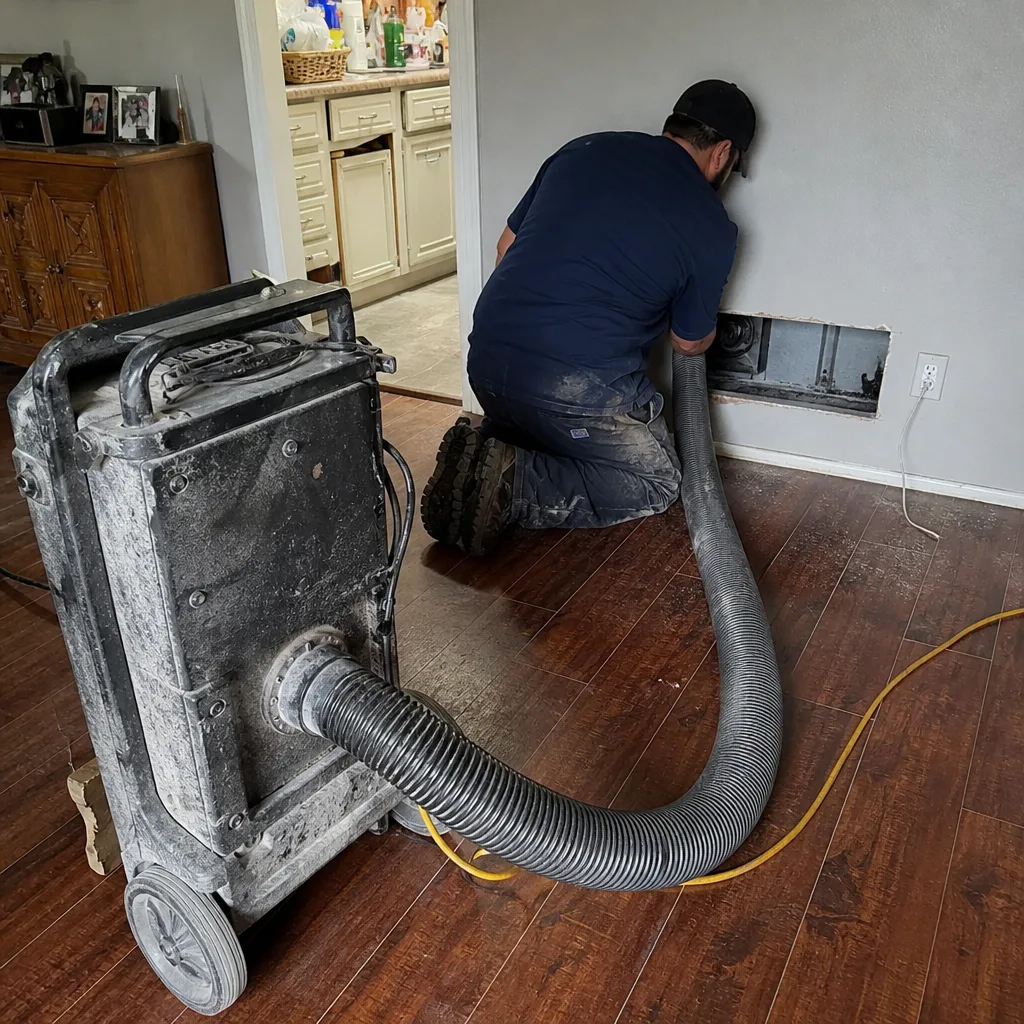 Before
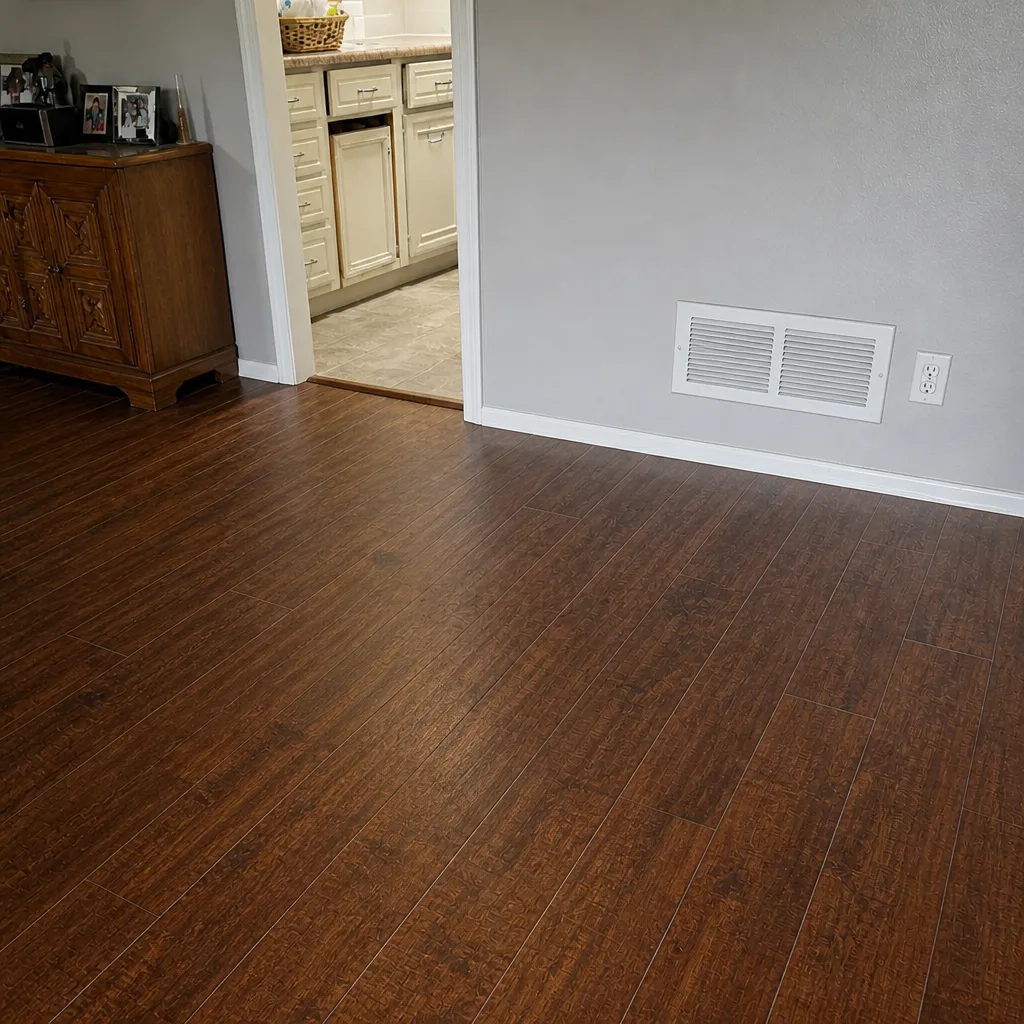 After
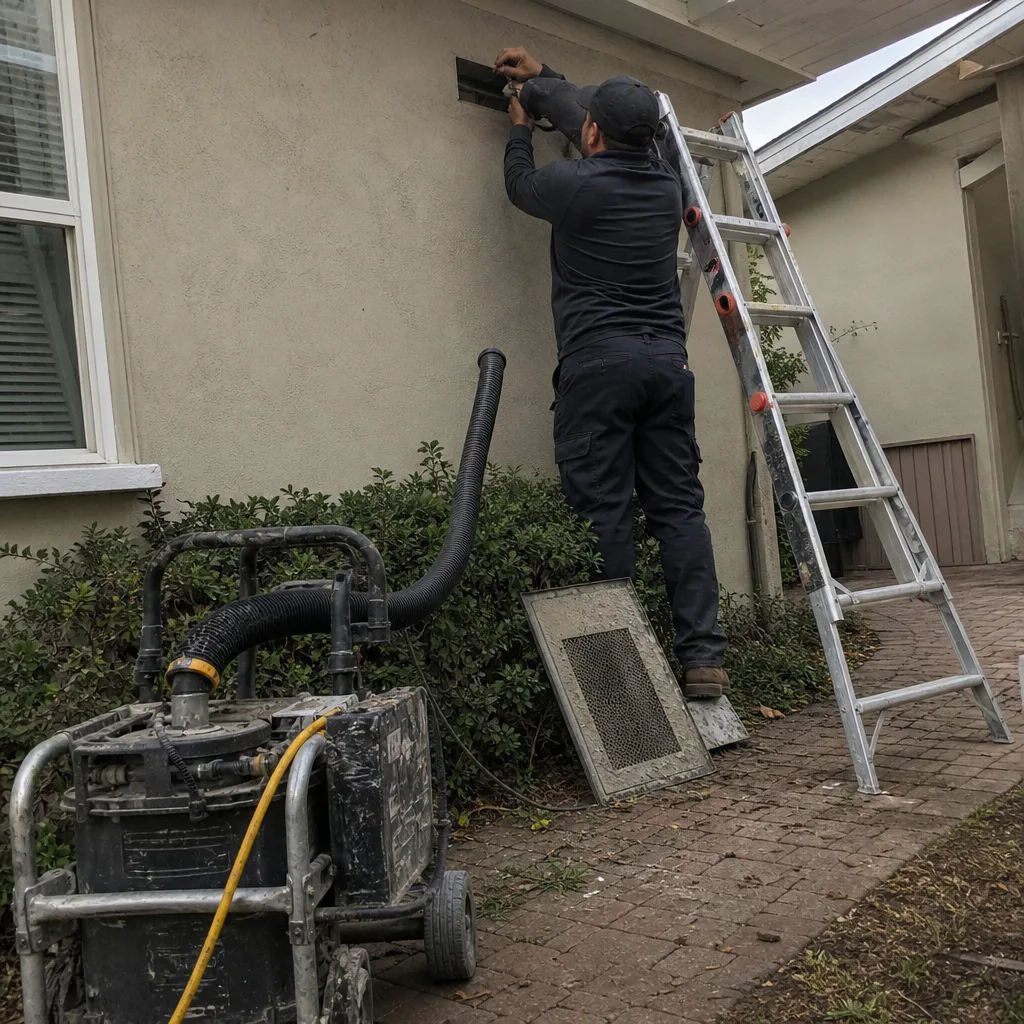 Before
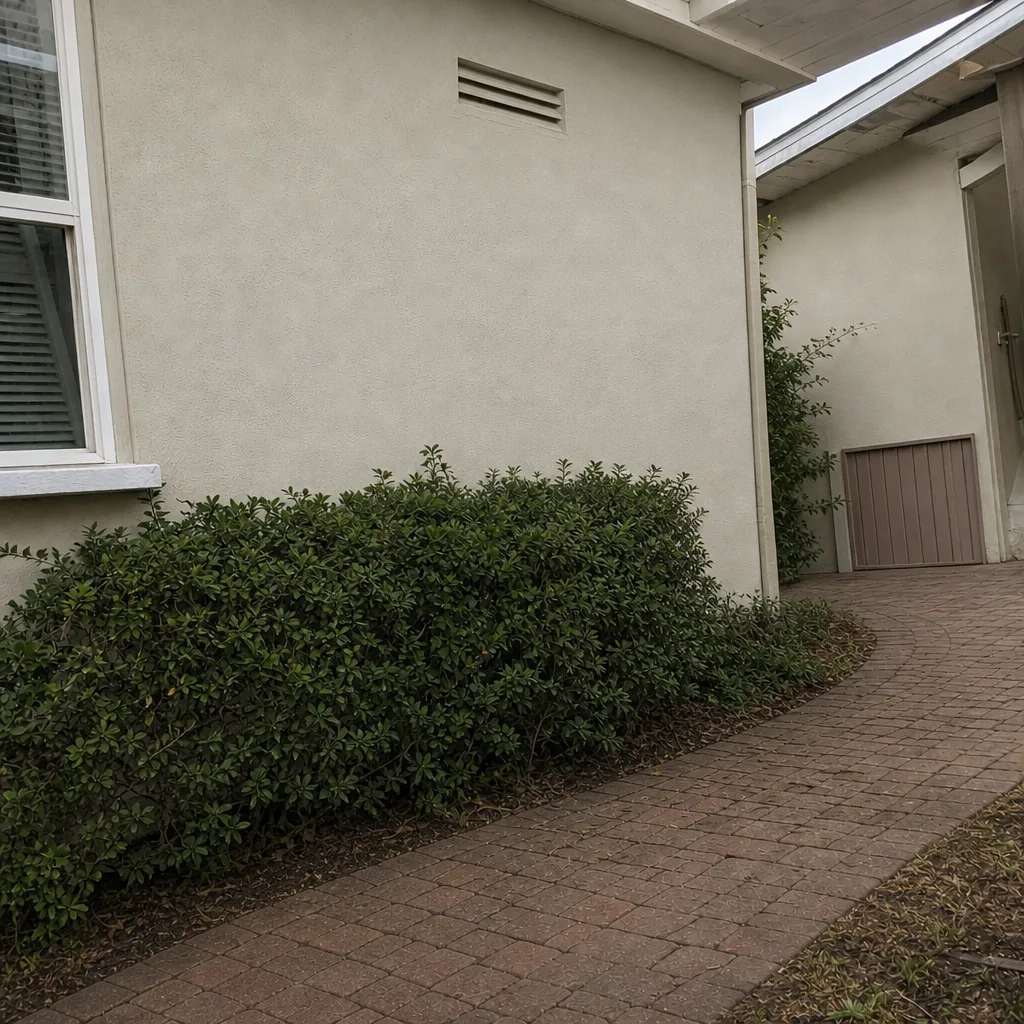 After
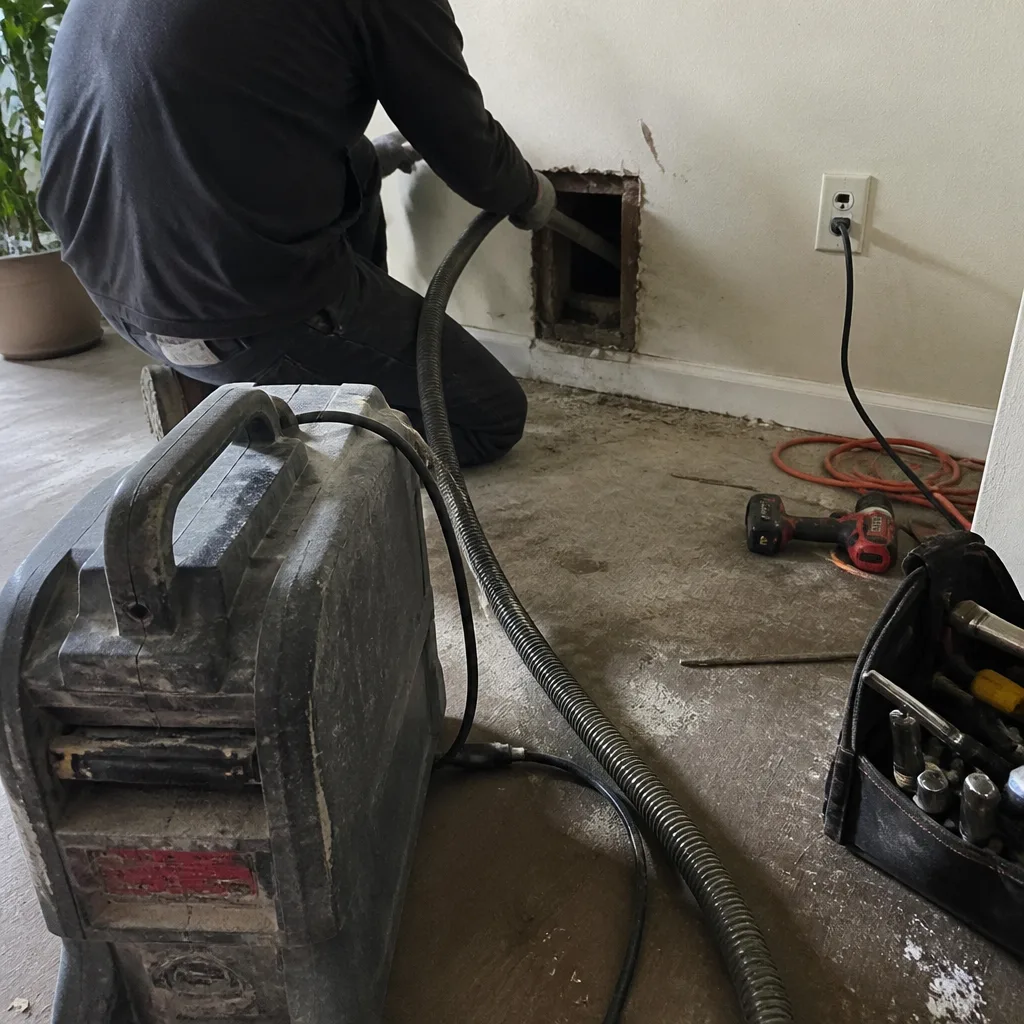 Before
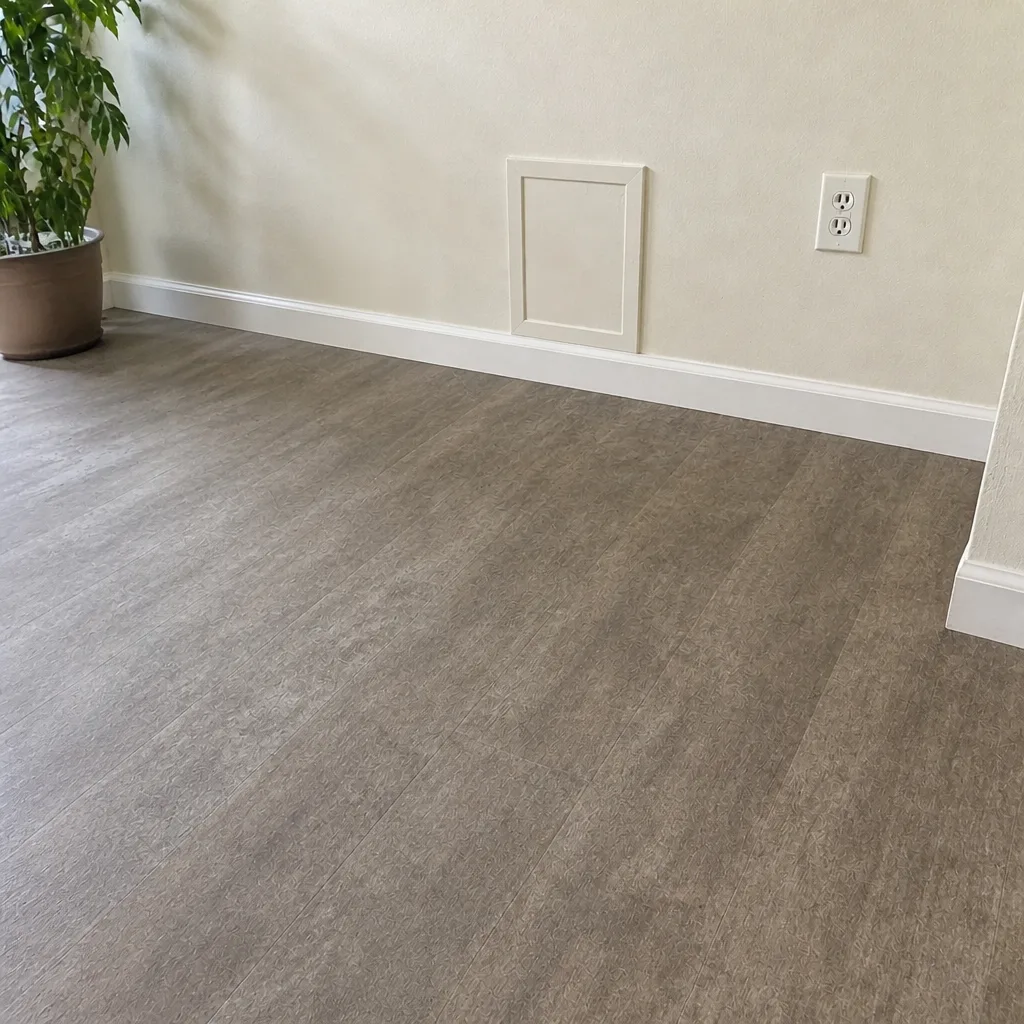 After
When to Call a Professional
Some duct conditions clear up with time and a filter change. Others need a trained technician with the right equipment. Call us when any of the following applies: you’ve never had the ducts cleaned and you’ve just moved into an older Highland Park home; you notice visible dust or dark spotting on registers after a wind or smoke event; the system’s airflow feels weaker than it used to; there’s a persistent musty or smoky smell when the heat or AC kicks on; you’ve had a prior cleaning that didn’t feel thorough and want an inspection of the coil and air handler; or the ducts themselves are visibly damaged, disconnected, or leaking at the joints. Highland Park Air Duct Cleaning Pros offers free estimates in Highland Park – call (844) 702-0753. We answer 24/7. Fast dispatch from 7am to 7pm, Sunday through Friday. The local pro is licensed and insured as their state requires, and you get one flat price per system agreed in writing before any work begins.
Frequently Asked Questions
Once a year is the usual baseline, but in Highland Park we recommend timing that cleaning to late spring or early fall so it lands before a major humidity or wind event rather than at a random point on the calendar. Homes near the hillsides or with older ductwork sometimes need a second evaluation mid-season. Call (844) 702-0753 for an exact quote – estimates are free.
Yes, and more than most homeowners realize. Santa Ana events raise exterior air pressure and push fine particulate into homes through the return side, especially where joints and grilles aren’t well sealed. Timing a cleaning and sealing evaluation before October is one of the highest-value maintenance moves for a Highland Park home. Call (844) 702-0753 to schedule an evaluation.
A routine cleaning removes accumulated dust and debris from the runs, registers, and air handler. A post-fire-season cleaning adds deeper inspection of the coil, more thorough treatment of return-side surfaces, and sanitizing where odor or microbial growth is present. Smoke events leave combustion particulate a routine scope can miss. Call (844) 702-0753 to talk through which scope your home actually needs.
Pricing is quoted per system based on the number of runs, the condition of the ducts, and whether sealing or sanitizing is part of the scope. It’s not priced per vent, and there’s no low teaser figure that gets replaced by a bigger invoice later. The written estimate sets the final price before work starts. Call (844) 702-0753 for an exact quote – estimates are free.
Cheap quotes often cover only the visible registers and skip the air handler, coil, and return runs, which is where most of the contamination sits. Others price per vent and let the invoice grow once the technician is on site. We quote one flat price per system in writing, and we take before-and-after photos of your own ducts so you can see what was actually done. Call (844) 702-0753 for an exact quote.
Ask for before-and-after photos of the duct interiors and a scope that names every part of the system that was cleaned: supply runs, returns, registers, air handler, and coil. If the quote didn’t cover the air handler, ask why. A full-system evaluation before the work starts is the clearest way to know what was agreed and what was done. Call (844) 702-0753 to schedule an evaluation.
The Bottom Line
Highland Park’s duct systems don’t follow a four-season calendar. They follow wind events, marine layer cycles, and wildfire smoke episodes, and the timing of cleaning should follow the same patterns. Filter changes before October and after any smoke event carry more weight than a generic spring tune-up. Cleaning timed to late spring and early fall removes what accumulates. Duct repair and sealing closes the paths new contamination uses to get back in. Sanitizing using Honeywell and Aprilaire products addresses microbial growth once the mechanical cleaning is done. Get all three scheduled around Highland Park’s actual climate events, and you’ll spend less time catching up and more time with air you can measure rather than just feel.
Call (844) 702-0753 for a free estimate. We answer 24/7. Fast dispatch from 7am to 7pm, Sunday through Friday. Ask for a full-system evaluation, a flat written price before work starts, and before-and-after photos of your own ducts.
Written by the team at Highland Park Air Duct Cleaning Pros.