
Last updated November 22, 2026
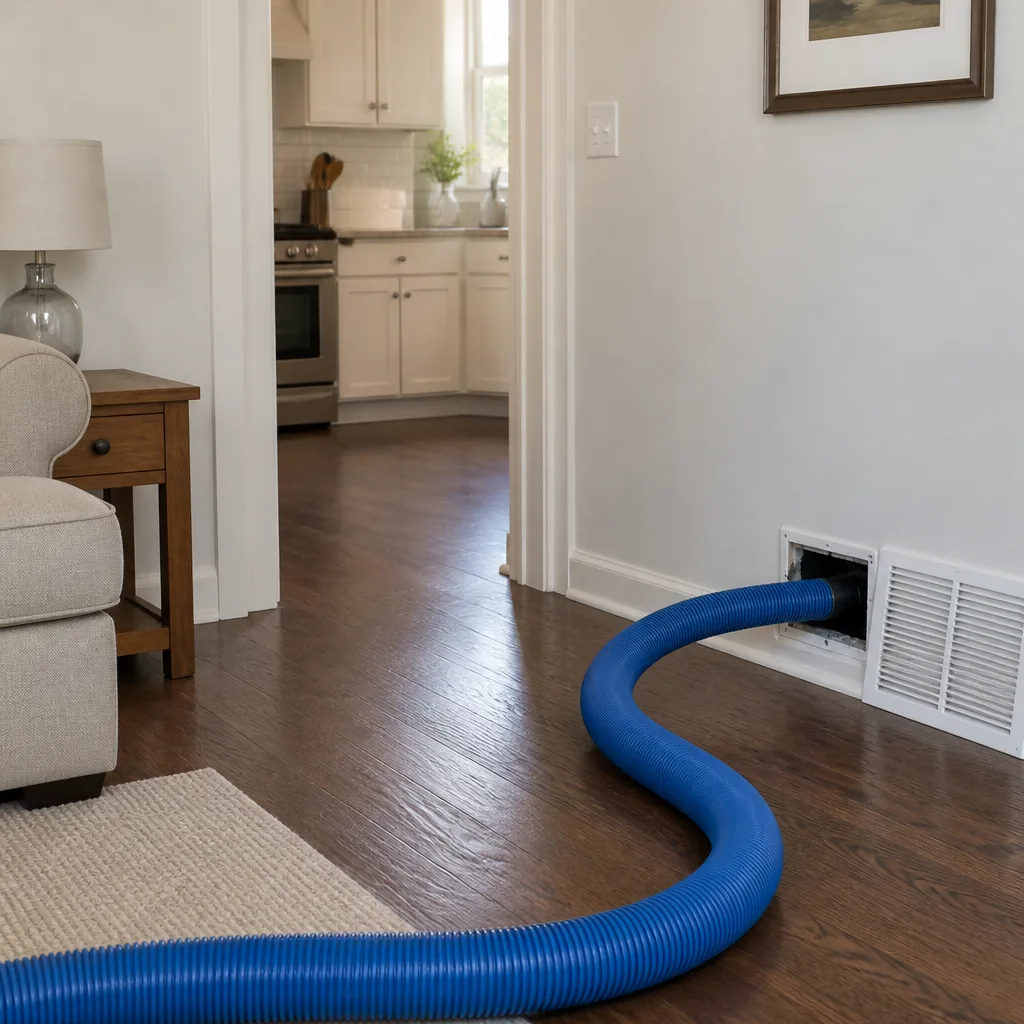 Whole-home duct cleaning
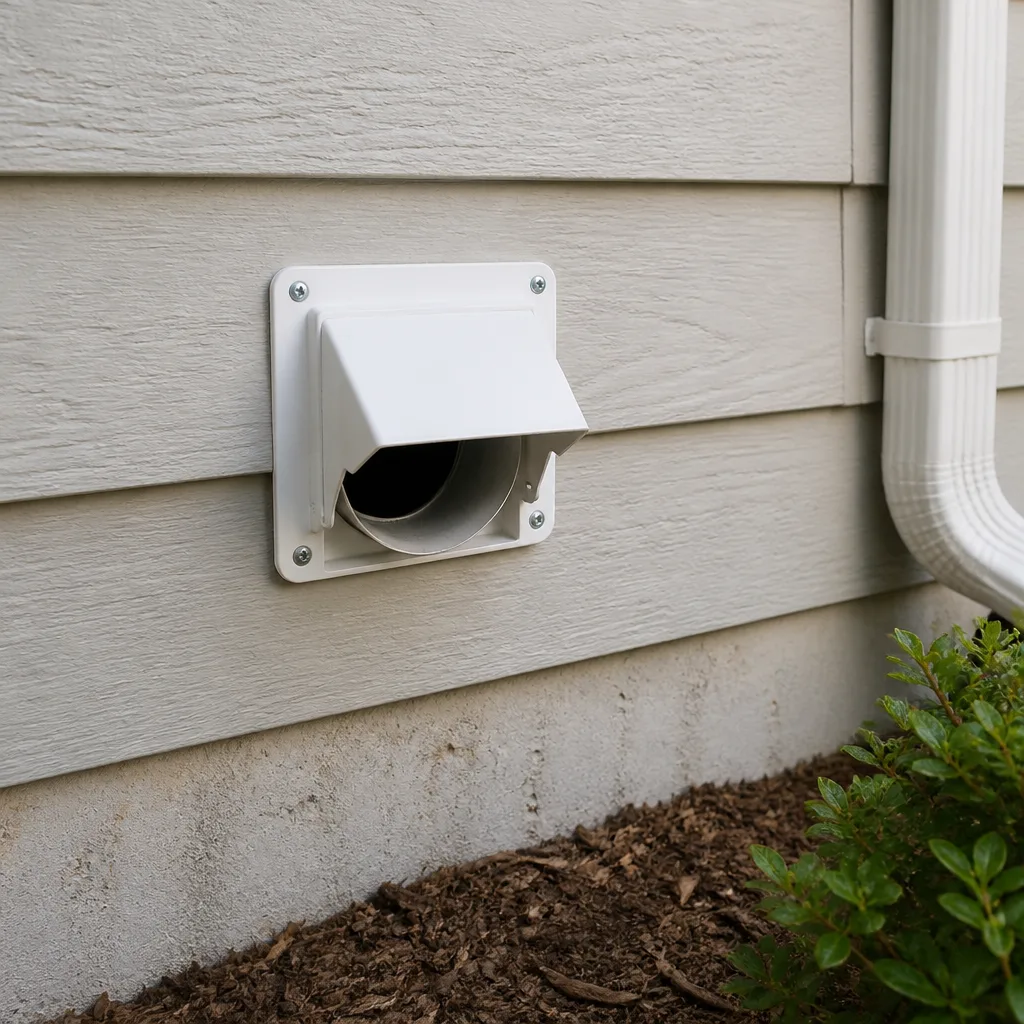 Dryer vent cleaning
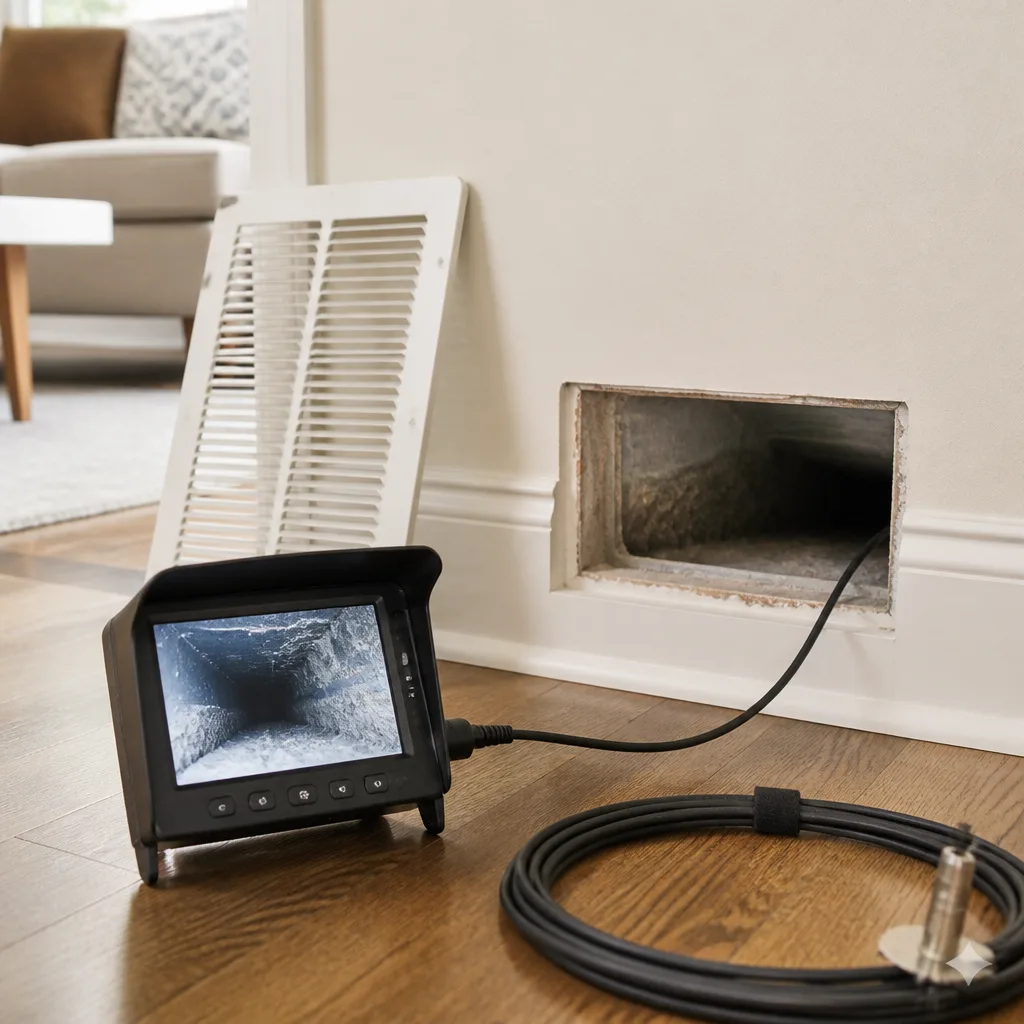 Camera inspection
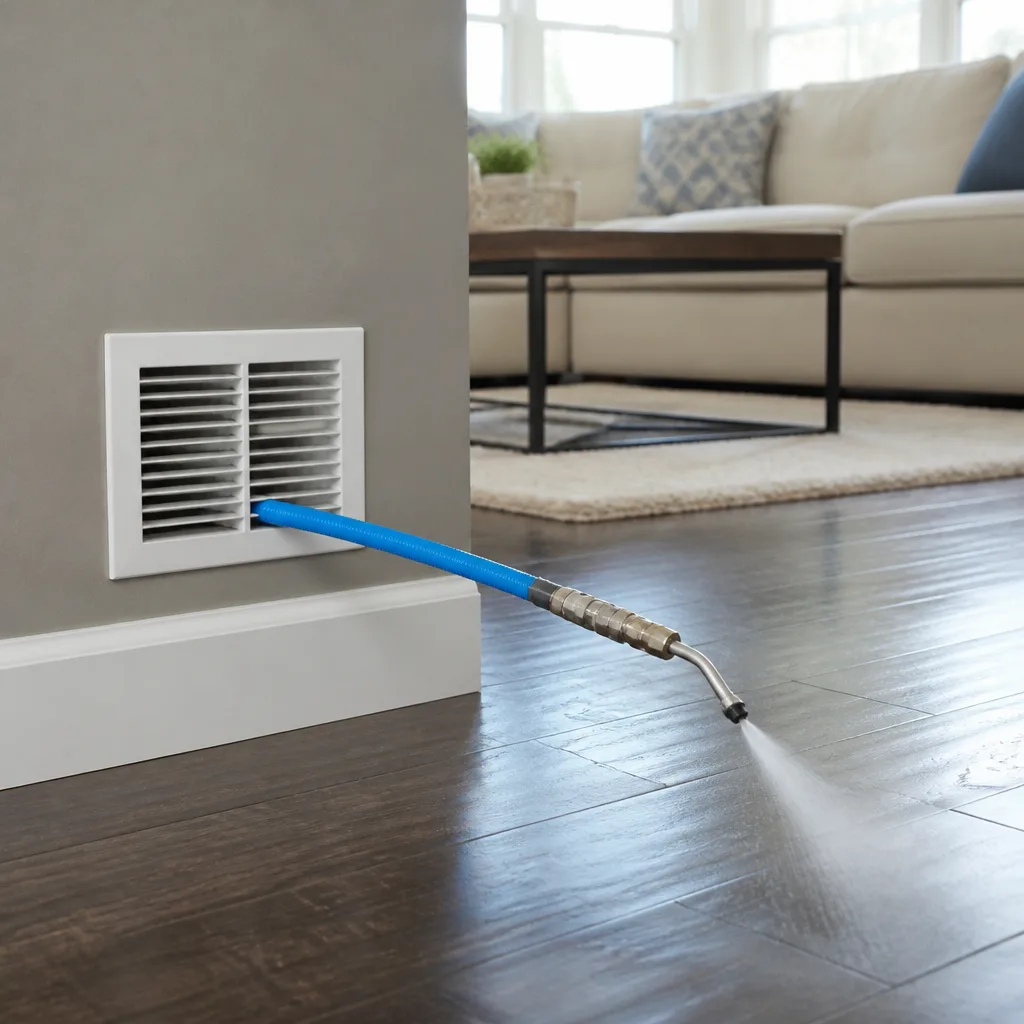 Sanitizing & deodorizing
Whole-system duct and dryer vent check with before-and-after photos - you see exactly what came out of your vents
That "$99 whole-house special" is a bait ad - the real number appears once they are in your hallway, or the "clean" is a shop-vac at the register. We photograph the inside of your ducts before and after instead.
Air Duct Cleaning Emergency Preparedness Guide for Highland Park Homes
When the sky over the San Gabriel Valley turns orange and the air smells like a campfire, most homeowners reach for the thermostat. Running the HVAC feels like the right move: recirculate the air, let the filter catch the smoke, wait it out. That instinct is backwards. If your system is running while smoke is heavy outside, your ducts are quietly acting like a sponge. They pull in particulate through every gap and return, hold it against the lining and the blower, and then push it back into your rooms every time the fan cycles. This guide covers what to do with your ducts and HVAC after a wildfire smoke event, an extended power outage, or water intrusion in Highland Park, and how to prepare before the next one.
Quick Answer
After a wildfire smoke event, a long power outage, or water intrusion, don’t run your HVAC until you’ve turned the system off during the event, checked the filter and air handler for contamination, and dried any wet components for 48 to 72 hours. A professional inspection and cleaning of the duct system then removes captured particulate and confirms nothing is being redistributed. Highland Park homes in older hillside neighborhoods are especially prone to duct leaks that let smoke bypass the filter entirely, which is why sealing and repair often matter as much as cleaning.
Styles & brands we work with
- Whole-home duct cleaning
- Dryer vent cleaning
- Camera inspection
- Sanitizing & deodorizing
Table of Contents
- What to do with your HVAC during wildfire smoke
- What post-smoke inspection should cover
- Ducts after water intrusion: the 48-72 hour window
- Post-power-restoration checklist
- Documenting contamination for insurance
- Building a duct emergency kit for Highland Park
- Common mistakes to avoid
- When to call a professional
What should you do with your HVAC during a wildfire smoke event in Highland Park?
Turn the system off, close the fresh-air intake if you have one, and keep windows and doors shut. That’s the short version. The longer answer is that most homeowners get this wrong in two directions: they either run the fan continuously thinking it’s filtering the air, or they shut everything down and forget that the ducts already took on contamination before they reacted.
The greater Los Angeles basin traps wildfire smoke in ways that matter for Highland Park specifically. The hills around the Arroyo Seco push smoke down into the flats when the Santa Ana winds reverse, and a system running at that moment pulls that smoke straight into the return ductwork. If your duct joints, boots, or plenum connections leak (and in older Highland Park houses, many do), smoke enters the system through those gaps too, bypassing the filter entirely.
Here’s the shutdown protocol we recommend:
- Switch the thermostat to OFF, not AUTO. AUTO still triggers the fan when the temperature drifts, which is exactly what you don’t want mid-event.
- Close the outdoor air damper if your system has one. Many newer installs in Highland Park have an economizer or fresh-air intake; if you’re not sure, a quick look at the return plenum will tell you.
- Seal obvious gaps temporarily with painter’s tape around return grilles and any visible duct joints you can reach. This is a stopgap, not a fix, but it reduces smoke intrusion during the event.
- Do not add a new filter mid-event unless you already have one on hand. Opening the filter slot while smoke is heavy lets particulate into the cabinet.
- Wait for advisory clearance before restarting. Once outdoor air quality has improved and stayed improved, you can run the system again, but plan an inspection afterward.
If you do run the system after the event and notice a persistent smoke smell or a fine gray dust settling on surfaces near your supply registers, that’s a signal to stop and call for an inspection. Air duct cleaning in Highland Park after a smoke event is not a cosmetic service; it’s the removal of captured particulate that would otherwise recirculate for months.
What should a post-smoke duct inspection actually cover?
A real inspection looks at four things: the filter, the air handler interior, the duct lining, and the joints. Anything less is a visual walk-through, not a diagnosis.
The filter. After a smoke event, the filter often looks almost fine on the surface while the pleats are loaded with fine ash. A filter that’s dark gray on the intake side but clean on the return side has done its job; one that’s uniformly loaded or has visible soot needs to come out. Filters are cheap. The contamination behind a filter that failed is not.
The air handler interior. This is where the truth lives. A trained technician removes the access panel and inspects the blower wheel, the coil face, and the cabinet floor. Soot deposits on the blower wheel mean the system was pulling contaminated air, and those deposits will continue to release particulate every time the fan spins. In our experience, the air handler is the single most overlooked part of a post-smoke cleanup.
The duct lining. Rigid metal ducts handle smoke better than flex or ductboard. If your Highland Park home has flexible duct runs, check for discoloration at the joints and at any sagging low points where particulate tends to collect. Ductboard lining is porous and absorbs volatile compounds; that’s a case where cleaning plus sanitizing may not fully resolve the odor, and replacement of the affected section becomes the honest recommendation.
The joints and plenum. This is where air duct cleaning and duct repair meet. A system with unsealed joints after a smoke event has two problems: contamination inside the ducts, and a permanent leak path that lets new contamination in. We repair and seal, not just clean, because cleaning without addressing the leak guarantees the problem comes back.
Professional inspection reports should document each of these four areas with photos, note the filter condition at the time of inspection, and identify any joints or connections that need sealing. If a report you receive doesn’t include photos of the air handler interior, that’s a red flag.
How should you handle ducts after water intrusion?
Stop running the HVAC immediately, and don’t restart it until every wet component has been dried and verified. The 48-72 hour window is the critical one. Mold can begin colonizing wet organic material (ductboard, flex duct interior, insulation, drywall dust) within that period, and once it does, mechanical cleaning alone may not be enough.
Water intrusion in Highland Park often comes from two sources: roof leaks during the rare but real rain events that hit the hillsides, and plumbing failures inside walls or ceilings. Either way, the sequence matters:
- Turn off the HVAC at the breaker. Not just the thermostat. If water has reached the air handler cabinet, you don’t want any chance of the fan or blower energizing.
- Isolate the wet section. If you can close a damper or block off supply registers in the affected zone, do so.
- Document the water line with photos and a measurement of the depth. This matters for insurance later.
- Dry aggressively. Air movers and a dehumidifier for 48-72 hours minimum. If the wet area is inside ductwork, a technician needs to assess whether the duct can dry in place or needs to be removed.
- Do not restart until verified dry. A moisture meter reading is your proof. If a technician can’t show you one, the verification isn’t done.
If more than 72 hours have passed and the ducting was wet, assume microbial growth is possible until proven otherwise. A professional inspection with visible-light and, where warranted, moisture verification is the honest next step. Abatement Technologies negative-air equipment is the kind of containment we use when air quality conditions call for it, which is more than most residential duct cleaners bring to a water-damage job.
What should you check on your HVAC after an extended power outage?
After the power comes back on in Highland Park, the HVAC doesn’t need to be running the instant the grid returns. Give it a few minutes and check these items before you flip the system back on.
- Let the power stabilize. Wait a few minutes after restoration before restarting any major appliance. Surges during re-energization are real, and the HVAC is a costly system to replace.
- Check the filter. An outage means the system wasn’t moving air, but it also means no filtration. If the outage overlapped with a smoke event, the filter may be loaded. Replace it if it looks discolored or loaded.
- Look at the air handler cabinet for condensation, water stains, or evidence of a refrigerant leak. If you see oil residue on fittings, that’s a call-a-technician situation, not a run-and-see-what-happens situation.
- Inspect the condensate line and pan. During an outage in warm weather, condensate can back up. Clear any standing water before restarting.
- Check the outdoor condenser unit for debris, leaves, or anything that might have blown against it during the outage.
- Run the system and listen. A normal startup sounds like a smooth ramp. Rattling, clicking, or a hard start that doesn’t stay running is a signal to shut it off and call.
Extended outages in Highland Park often coincide with the wind events that drive smoke, which means the power restoration checklist and the smoke response protocol overlap. If both happened, do the smoke inspection first, then run the system through the checks above before resuming normal operation. If you’re not sure whether the two events overlapped, err on the side of a professional inspection.
How do you document duct contamination for an insurance claim?
Documentation before cleaning begins is what determines whether a claim goes through. Once the ducts have been cleaned, the evidence is gone. The photos and measurements you take before anything is touched are the proof.
What a claim-ready documentation set should include:
- Photos of the event source (charred brush near the property, water stains on the ceiling, the water line inside the ductwork).
- Photos of the air handler interior with the access panel removed, showing soot, discoloration, or water staining on the blower wheel and cabinet.
- Photos of the filter in place before removal, and after removal showing the loading.
- Photos of supply and return registers with visible dust, ash, or water staining.
- A written inspection report that names each area inspected, describes the condition found, and includes a moisture reading if water was involved.
- A cleaning recommendation that separates contamination removal from repair and sealing, since insurers may handle these differently.
If a professional inspection report doesn’t include the air handler interior photos, ask for them. That’s the most common gap we see in Highland Park claims documentation. A report that says “ducts are dirty, recommend cleaning” without photographic evidence is not going to move an adjuster; a report with before-and-after photos of the actual system is what gets the claim reviewed.
The other side of documentation is your own record. Keep a dated log of when the smoke event or water intrusion happened, when you turned the system off, and when you first noticed the smell or dust. That timeline is what makes the claim coherent.
How do you build a duct emergency preparedness kit for a Highland Park home?
A duct emergency kit isn’t complicated, but it’s the difference between catching contamination early and finding it after months of recirculation. Here’s what we tell Highland Park homeowners to keep on hand:
- Two spare filters sized to your system, sealed in plastic. Filters are the first line of defense and the first thing you need after an event, and the supply runs thin when a whole region is buying them at once.
- A roll of painter’s tape for temporary sealing of return grilles and reachable duct joints during an active smoke event.
- A moisture meter (a simple pin-type meter is fine) so you can check whether a wet area has actually dried, not just whether it feels dry.
- A flashlight and a phone with a good camera. Documentation starts before the professional arrives.
- A dated log (paper or a notes app) for tracking events, shutdowns, and filter changes.
- The phone number of a company that inspects ducts after events. Not a general handyman. Duct insulation and air handler interiors need someone who knows what contamination looks like inside the system.
The seasonal timing matters. Highland Park’s fire season runs with the dry winds, and the rainy months are when roof and plumbing leaks show up. A kit assembled in advance means you’re not shopping for filters while the sky is orange, and you’re not guessing at a moisture reading while a wet ductboard section sits there. Our technicians have up to 8 years of experience with post-event duct inspection, and the checklist above is drawn from what we look for when we arrive.
A note on the system itself: after any event, the whole airflow picture matters. A filter swap handles the filter; the air handler and duct lining need a real inspection. That’s why our service scope covers HVAC cleaning and duct repair alongside air duct cleaning, so a post-event job addresses the system as a whole instead of just the visible parts. You can see our full range of services on our Highland Park Air Duct Cleaning Pros page.
Common mistakes to avoid
- Running the fan continuously during a smoke event. The instinct to “filter the air” backfires: continuous fan operation pulls more smoke into the system and pushes captured particulate back into rooms.
- Skipping the air handler interior check. A filter swap doesn’t touch the blower wheel or cabinet. If those are contaminated, the system keeps shedding particles after the filter is new.
- Restarting after water intrusion before verifying dry. “It feels dry” isn’t a moisture reading. Duct board and flex duct interiors hold moisture longer than the surface suggests.
- Assuming a fresh filter means the ducts are fine. In older Highland Park homes, duct joints leak, and the filter only catches what passes through it. Smoke that enters through a leaking return isn’t filtered at all.
- Documenting after the cleaning. Photos taken after the ducts are clean prove nothing. The claim-ready evidence is what’s captured before any work begins.
- Calling a general cleaner instead of a duct specialist. Dryer vent cleaning and duct cleaning are different scopes. If the job includes an air handler or post-event inspection, you need a provider whose equipment and scope cover it.
- Ignoring the smell. A persistent smoke smell weeks after an event means particulate is still in the system, not that the house needs more candles. That’s a signal to get an inspection.
When to call a professional
Call a professional after any wildfire smoke event that lasted more than a day with the HVAC running, any water intrusion that reached the ducts or air handler, any extended power outage where the system was off across a hot or smoky period, and any time you notice a persistent smell or recurrent dust at supply registers. Also call if a previous duct cleaning didn’t seem to address the problem, which is common when only visible debris was removed. Highland Park Air Duct Cleaning Pros offers free estimates in Highland Park. Call (844) 702-0753 to schedule an inspection. Our technicians have up to 8 years of experience and use rotary brush and HEPA vacuum equipment from Rotobrush and Nikro, plus Abatement Technologies negative-air machines when conditions call for remediation-grade containment.
If you’re planning ahead rather than responding to an event, our air duct cleaning page covers what a standard whole-system cleaning involves. If your post-event concern includes the dryer, our dryer vent cleaning page walks through the vent inspection process. And for the broader system, our HVAC cleaning page describes the air handler and coil scope.
See the difference
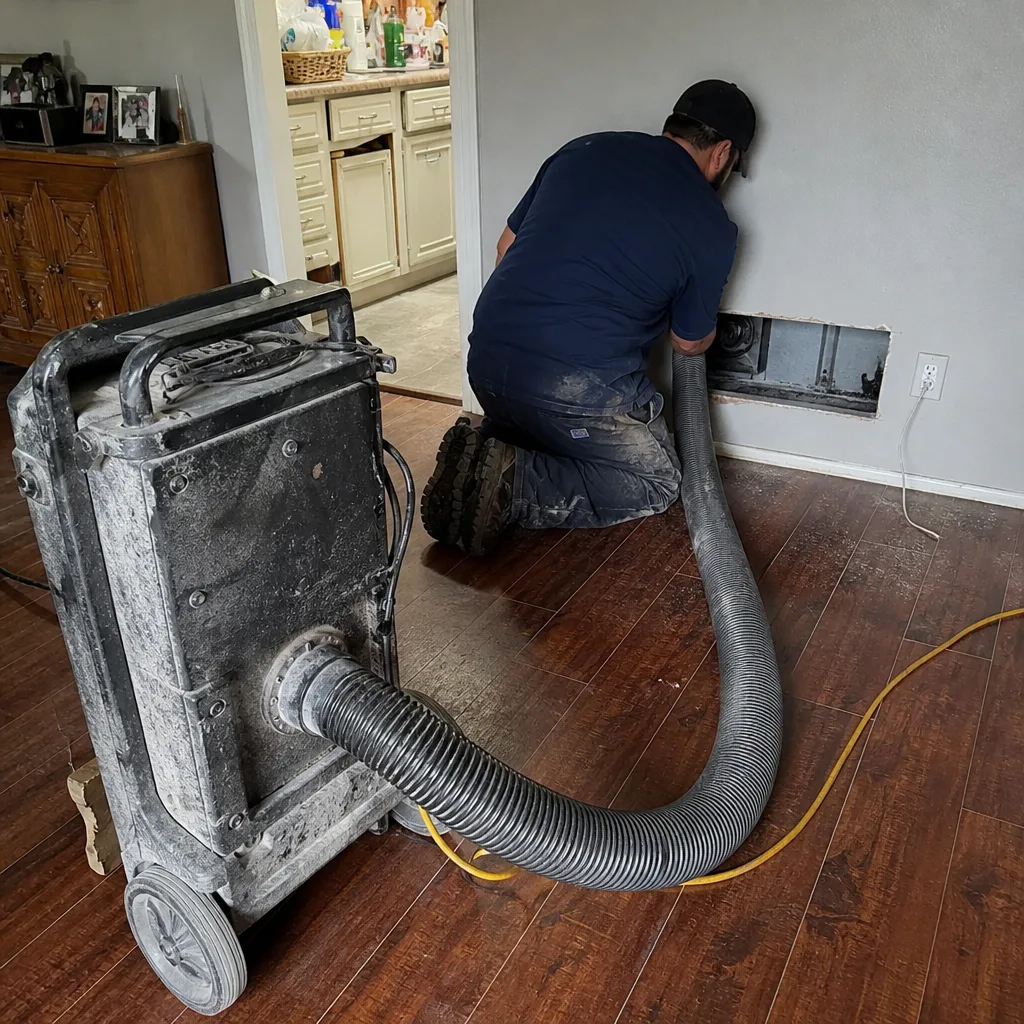 Before
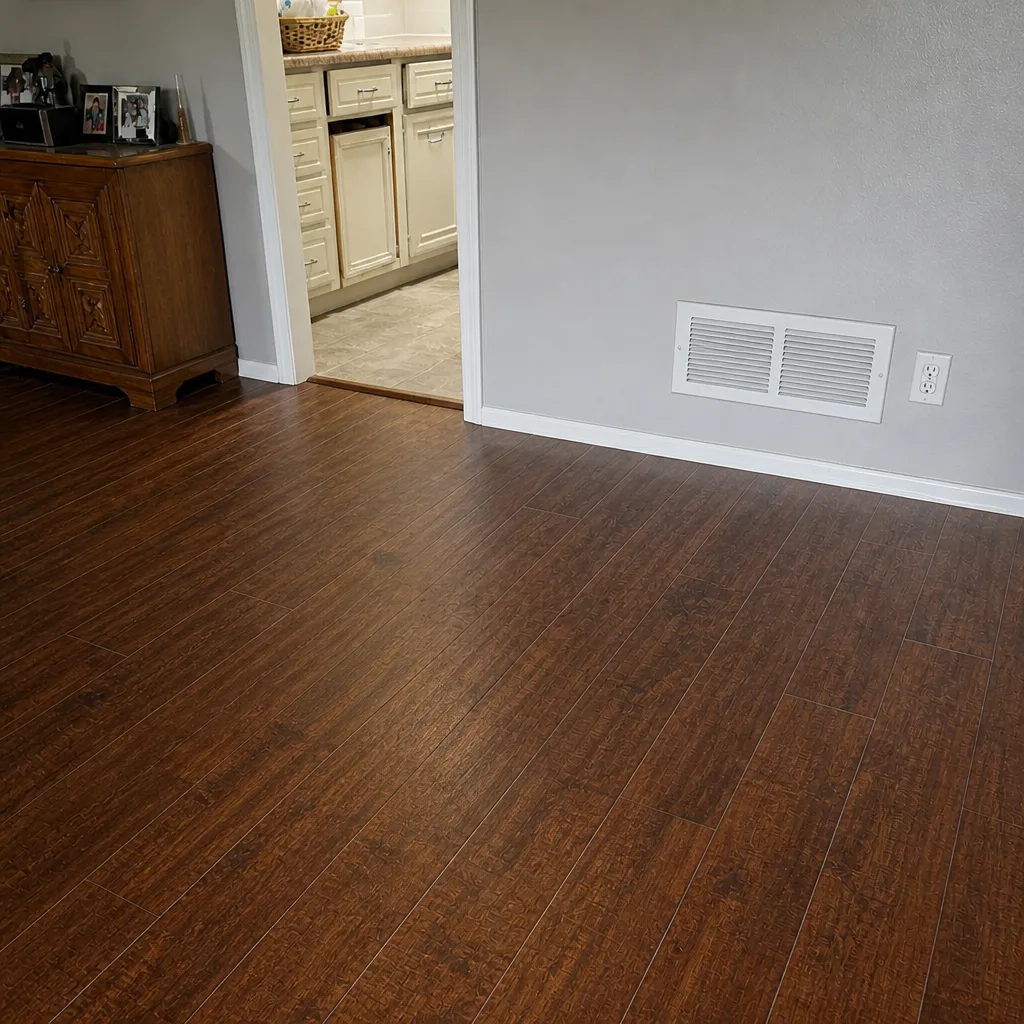 After
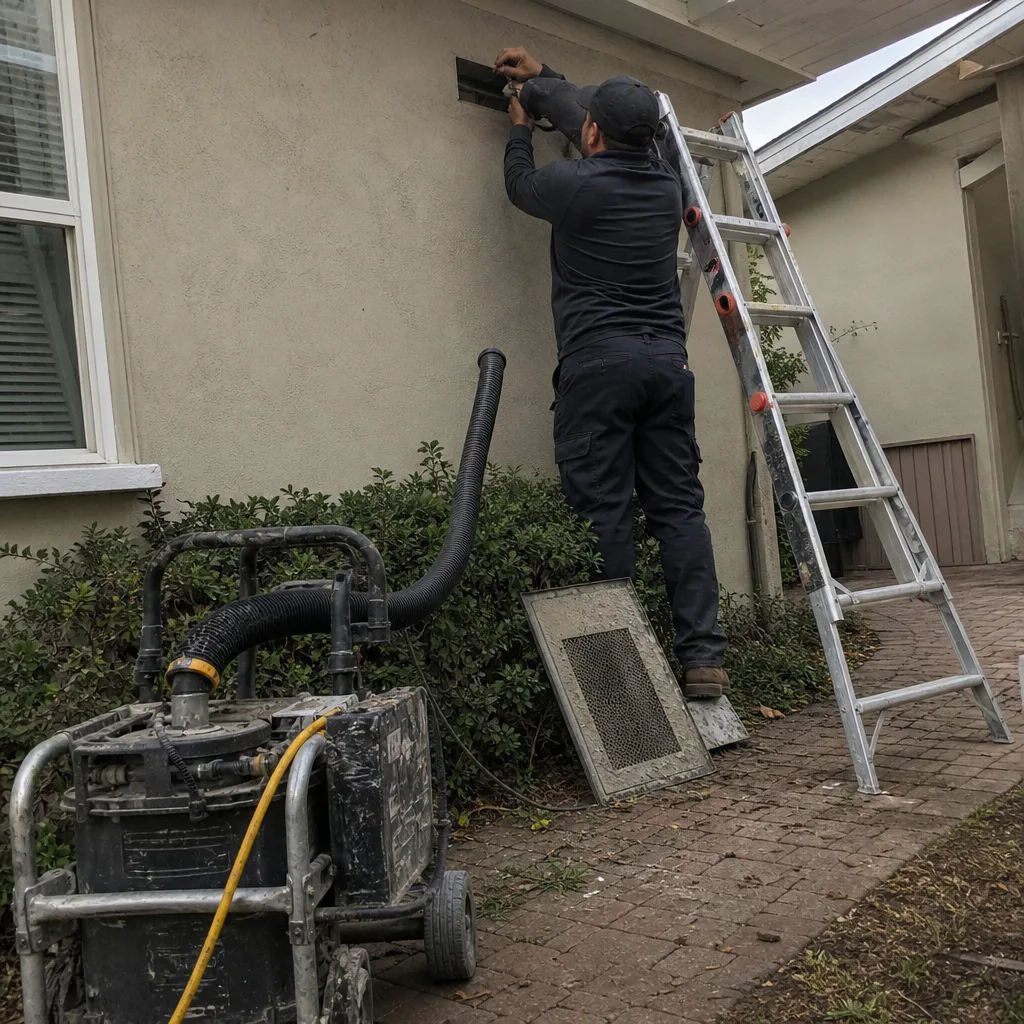 Before
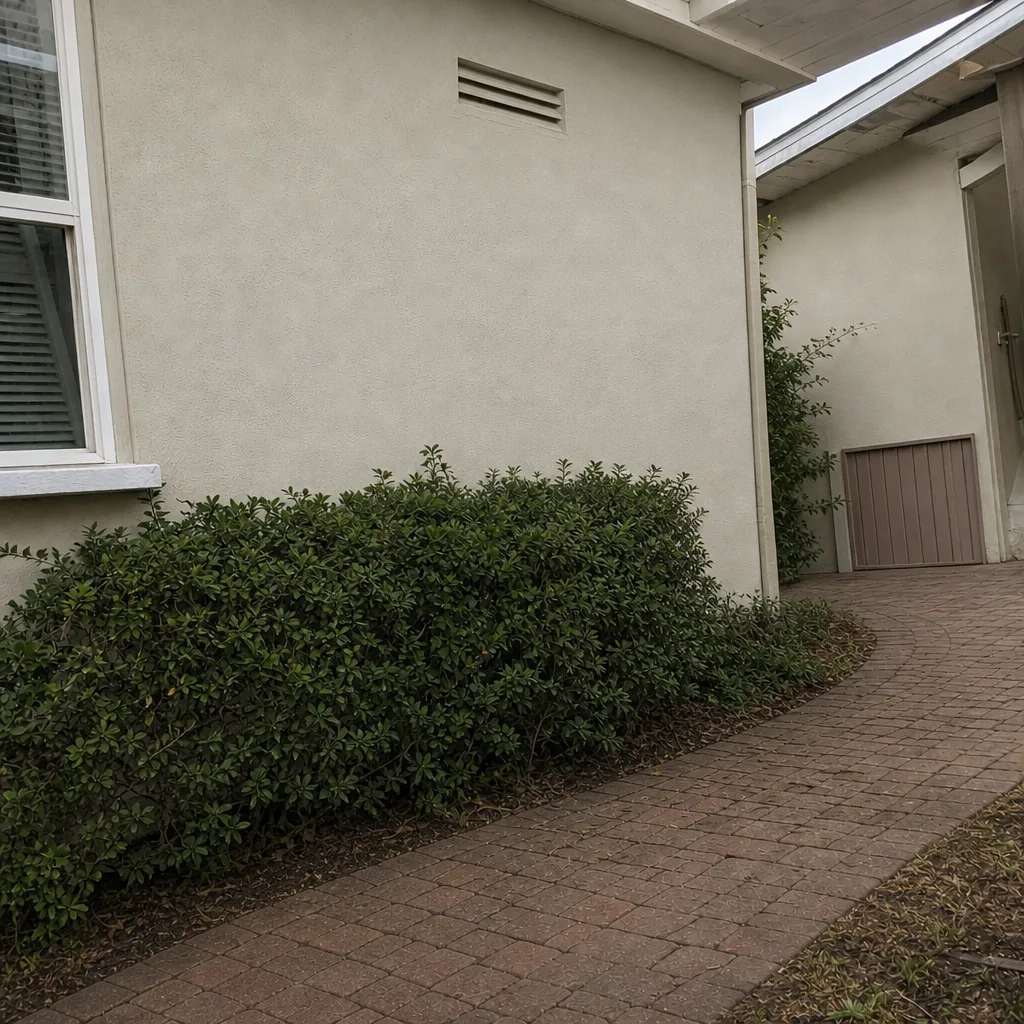 After
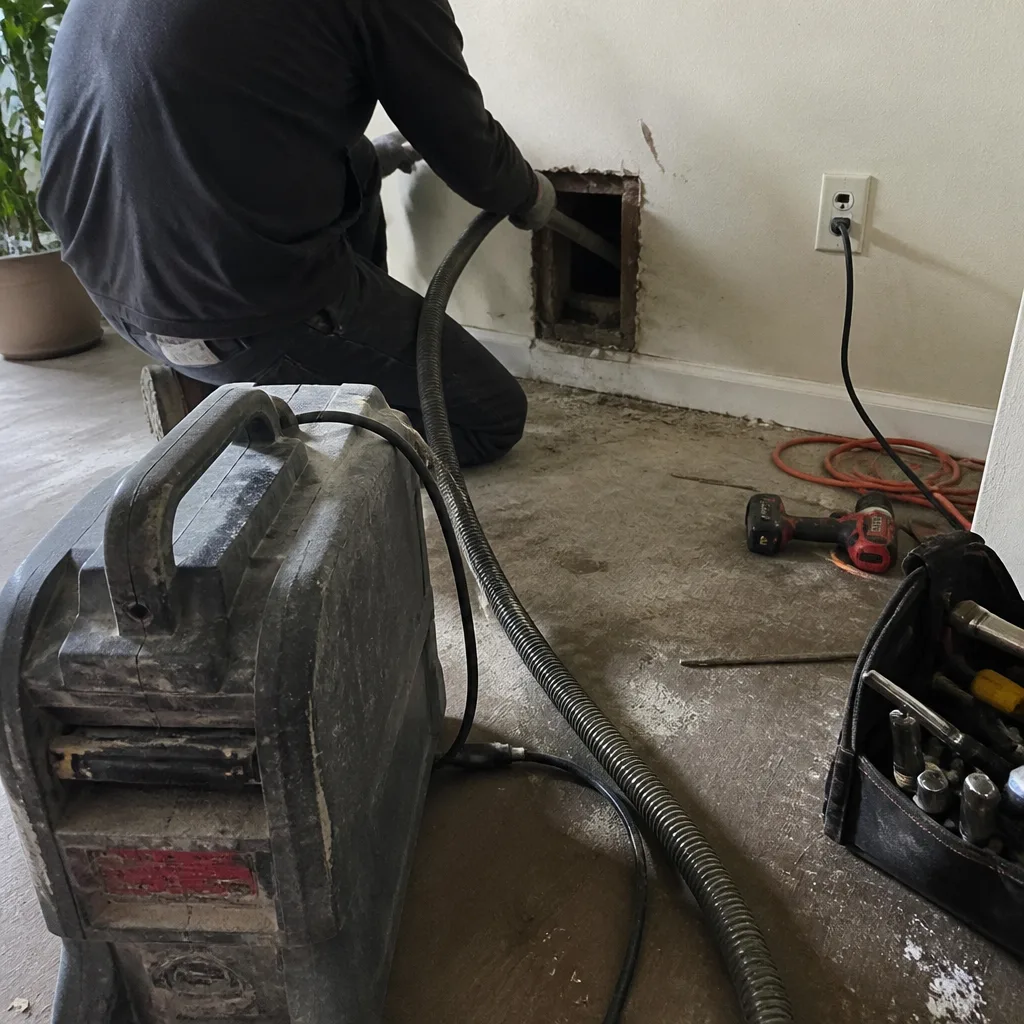 Before
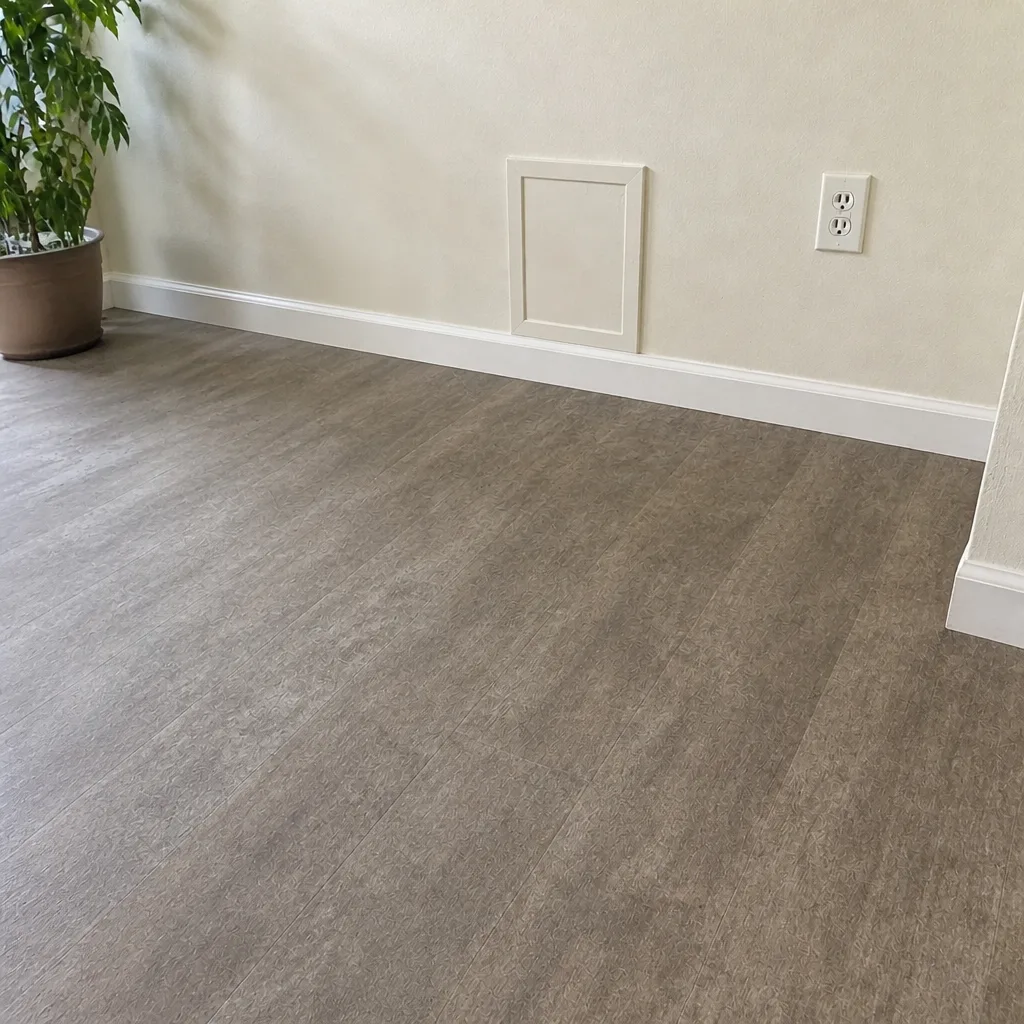 After
Frequently Asked Questions
Not until you’ve had the filter and air handler checked, and not until outdoor air quality has improved. If the system ran during the smoke event, the ducts have likely captured particulate that will recirculate when the fan comes back on. Call (844) 702-0753 for an inspection before restarting.
Mold can begin colonizing wet organic material within 48 to 72 hours. Duct board, flex duct interiors, and dust-coated surfaces are all vulnerable. If the ducting got wet and more than 72 hours have passed without drying, an inspection is the honest next step. Call (844) 702-0753 for a moisture assessment.
Typical post-event whole-system cleaning in the Highland Park area falls in a range that depends on the number of supply runs, the system size, and whether duct repair or sealing is needed. We don’t quote per vent; we provide one flat price per system after the inspection, so the number you get is the number that covers the whole job. Call (844) 702-0753 for a free estimate.
Cheap quotes are usually cheaper because the work is less complete: surface suction instead of rotary brush agitation, no air handler inspection, no documentation. The invoice at the end of a low-quote job is often the surprise. We set one flat price per system in writing before any work starts, and we include before-and-after photos of your actual ducts. Call (844) 702-0753 and ask for an itemized estimate.
You’ll know because you’ll see it. Before-and-after photos of your own ducts and air handler are part of every job we perform, and the inspection report documents the condition found versus the condition after cleaning. If a provider won’t show you photos of your system, ask why. Call (844) 702-0753 to book an inspection with documentation included.
Homes in Highland Park can need post-event cleaning after heavy smoke exposure even if a standard cleaning was recent, because the smoke event adds particulate the routine schedule didn’t account for. For routine timing, the honest answer depends on the home: filter condition, visible dust at registers, and whether anyone in the household has respiratory sensitivity all factor in. Call (844) 702-0753 and we’ll tell you what your system actually needs.
The Bottom Line
Emergency preparedness for your ducts comes down to timing and verification. Turn the HVAC off during smoke events, isolate and dry wet components within 48 to 72 hours, check the system carefully after a power outage, and document everything before cleaning begins. After any event, get a real inspection that covers the filter, air handler interior, duct lining, and joints, and insist on photos. Highland Park homes in the hills and flats both face smoke, wind, and water events that put the duct system on the front line. One flat price per system, agreed in writing, with before-and-after documentation is the standard to hold any provider to.
Call (844) 702-0753 for a free estimate. We answer 24/7. Fast dispatch from 7am to 7pm, Sunday through Friday.
Written by the team at Highland Park Air Duct Cleaning Pros.