
Last updated November 22, 2026
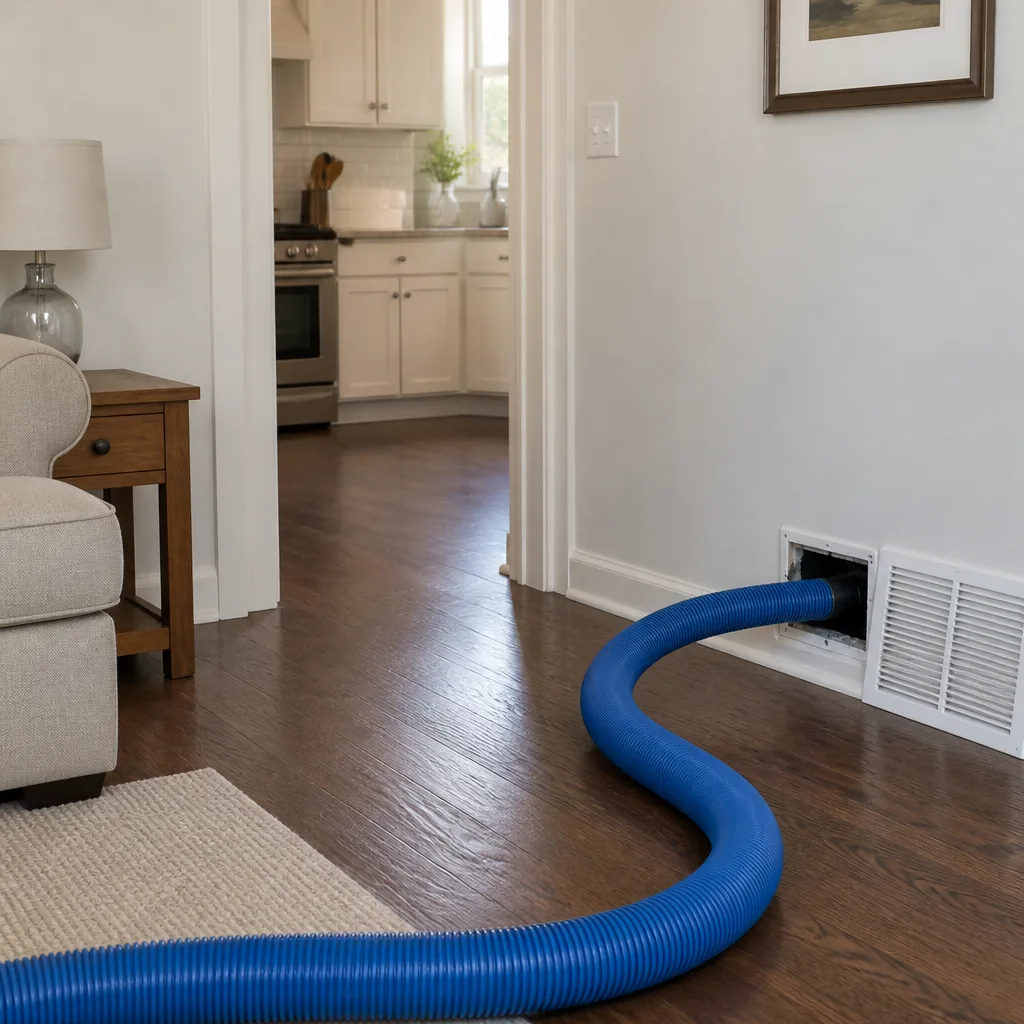 Whole-home duct cleaning
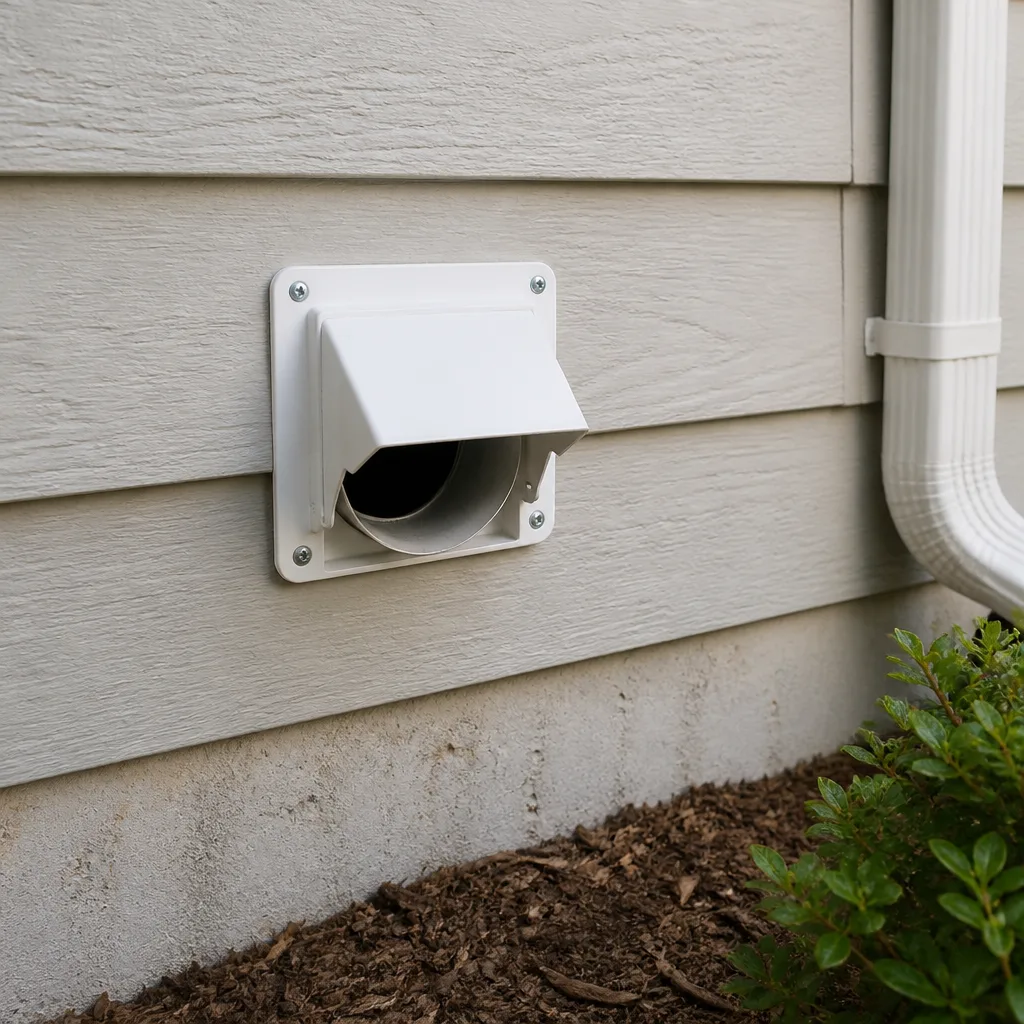 Dryer vent cleaning
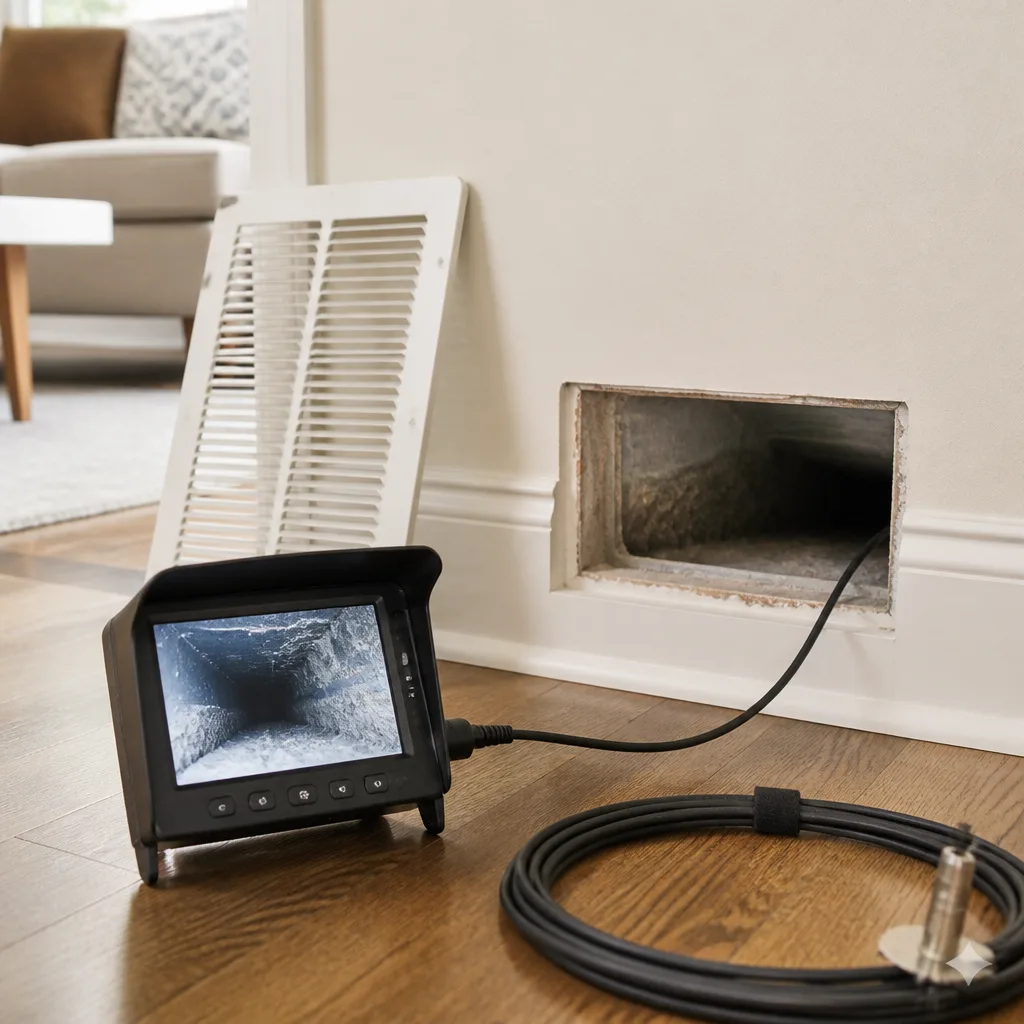 Camera inspection
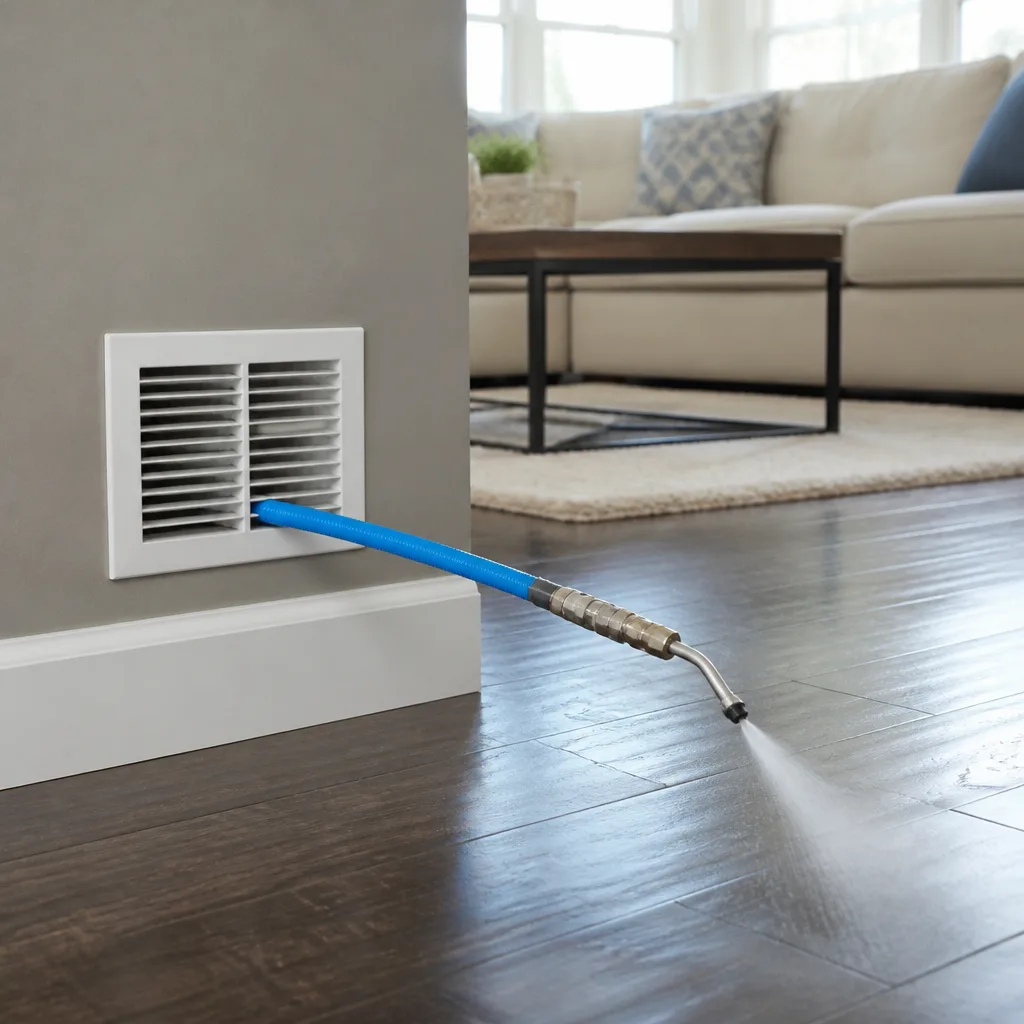 Sanitizing & deodorizing
Whole-system duct and dryer vent check with before-and-after photos - you see exactly what came out of your vents
That "$99 whole-house special" is a bait ad - the real number appears once they are in your hallway, or the "clean" is a shop-vac at the register. We photograph the inside of your ducts before and after instead.
Air Duct Cleaning Maintenance Schedule: What to Do and When
Five years is the number most homeowners have heard, and it’s the number we hear quoted back to us most often. It’s also not a schedule. It’s an average pulled from guidance meant to cover every house in the country, and it doesn’t know anything about yours. In Highland Park, where wildfire smoke has drifted through the basin during recent LA-area fire events and where decades-old homes often run attic ductwork through punishing summer heat, the variables that actually load a duct system have nothing to do with a calendar. What follows is a condition-based schedule: what triggers a cleaning, what you can check yourself each year, and how to keep a record that’s worth something when you sell. Highland Park homes get a specific version of this answer, and that’s what we’ll give you.
Quick Answer
Most Highland Park homes need professional duct cleaning every 3 to 5 years, but that interval should stretch to 2 to 3 years after a significant wildfire smoke event, a renovation, or the addition of a pet, and it should start earlier if you can see debris at the registers or smell mustiness when the system runs. Between cleanings, the real work is filter changes on a 1 to 3 month rhythm and an annual visual check of accessible duct runs. The schedule is condition-based, not calendar-based.
Styles & brands we work with
- Whole-home duct cleaning
- Dryer vent cleaning
- Camera inspection
- Sanitizing & deodorizing
Table of Contents
- Why the Generic 3 to 5 Year Interval Falls Short Here
- The Condition-Based Cleaning Matrix
- Filter Maintenance Tied to Your Duct Cleaning Cycle
- Annual Attic Duct Inspection Checklist (No Tools)
- Post-Cleaning Maintenance Most Companies Skip
- Wildfire Smoke Season: A Separate Maintenance Calendar
- How to Log a Duct and HVAC Maintenance Record
- When to Call a Professional
Why the Generic 3 to 5 Year Interval Falls Short Here
The widely quoted 3 to 5 year cleaning interval was written as broad public guidance, not as a prescription for a particular house in a particular place. It’s a defensible starting point, and we don’t dismiss it. But it treats every home as if it sits in identical conditions, and in Highland Park that assumption breaks down in a few predictable ways.
Highland Park sits in the Arroyo Seco corridor and the surrounding hillsides, which means two things for ducts. First, the region’s wildfire seasons have repeatedly pushed smoke and ash inland through the Los Angeles basin, and fine ash settles into return-air intakes and filter cabinets even when windows stay shut. Second, many Highland Park homes were built in the 1920s through the 1950s, and their duct runs often travel through hot attics where flexible duct and mastic joints take a beating from summer heat cycling. Older ductwork also tends to have more seams, more joints, and more opportunities for the small leaks that let attic dust and insulation fibers slip into the airstream.
Then there are the household variables: pets that shed, remodeling that fills the air with drywall dust, and the humidity that collects in a home where the system cycles off for long stretches. None of these show up on a calendar. All of them load a duct system faster than the national average assumes.
That’s why we frame the schedule around conditions. A clean, well-sealed system in a pet-free home might legitimately go five years. A system that pulled in smoke last fire season and serves a house with two dogs might need attention in two. Both can be right at the same time. For the scope of what a full cleaning involves, see our air duct cleaning page.
The Condition-Based Cleaning Matrix
Use this matrix to decide whether your next cleaning is this year or several years out. It’s a decision tool, not a substitute for looking at the system. If more than one trigger applies, move toward the shorter end of the range.
- Wildfire smoke event in your area: clean within 12 months if you ran the system during the smoke or if your filter loaded unusually fast afterward. Fine ash is the trigger, not the smell alone.
- New pet in the home: shorten your interval by one year. Shed fur and dander collect in return runs and on evaporator coils, not just in the living room.
- Renovation or remodeling: clean after the work is finished, once the drywall dust has settled and final paint has cured. A pre-renovation cleaning is wasted money on a home under construction.
- Visible mold or persistent musty odor: address it now rather than on a schedule. Moisture inside ductwork doesn’t improve with waiting, and the source has to be found and corrected.
- Recent move into an older Highland Park home: clean within the first year unless the previous owner can document a recent cleaning. A visual check at the registers is not a diagnosis.
- Noticeable dust on horizontal surfaces after a filter change: check for leaks and re-cleaning sooner than planned.
- No documented cleaning and no obvious symptoms: the standard 3 to 5 year window applies; put it on your record with a target date and move on.
One rule overrides all of the above: if the system hasn’t been cleaned and there’s no record, a professional evaluation is the honest starting point. We’d rather tell a Highland Park homeowner they have two more years than clean a system that doesn’t need it.
Filter Maintenance Tied to Your Duct Cleaning Cycle
The filter is the one maintenance task that keeps your ducts cleaner between professional cleanings, and it’s also the most consistently neglected. The relationship between filter maintenance and duct cleanliness is simple: a filter installed at the return air inlet captures a share of the particles before they reach the ducts, but it can only do that job if it’s held in a properly sealed frame and replaced before it loads solid.
Filter intervals depend on the home, not the calendar. A reasonable starting rhythm is 1 to 3 months:
- Change every 4 to 6 weeks if you have pets, run the fan constantly, or live near a busy road.
- Change every 2 to 3 months in a typical Highland Park home with no pets and normal occupancy.
- Change immediately after any renovation, wildfire smoke event, or a professional cleaning.
Filtration grade matters too, but there’s a caveat. A higher-MERV filter, like a MERV-13, captures finer particles than a basic fiberglass panel, and in a clean, well-sealed duct system it will genuinely slow the rate of recontamination. In a dirty system, a high-MERV filter mostly gets clogged faster, raises static pressure, and can strain the blower. The filter can only extend duct cleanliness if the duct is already clean. That’s why we sequence it this way: professional cleaning first, sealing of any leaks we find, then upgrade filtration. You can see the full service picture on our HVAC cleaning page.
Annual Attic Duct Inspection Checklist (No Tools)
You don’t need a ladder or a flashlight to do a meaningful annual check on the accessible parts of your duct system. This is a look-and-listen exercise that takes about ten minutes and gives you real information about whether your schedule needs to move up. We recommend running it every year and noting the date on your maintenance record.
- Open every supply register in the house and look inside with a phone light. Note visible dust buildup, debris, or anything that looks like biological growth.
- Remove the return air grille and look at the filter, the filter frame, and the inside of the return drop. A frame that’s leaking air past the filter is a sign the filter isn’t actually doing its job.
- In the attic or crawlspace, walk the visible duct runs and look for disconnected joints, crushed or kinked flexible duct, and mastic that has cracked or pulled away.
- Look for condensation stains or dark streaking at duct joints and around the air handler cabinet.
- Turn the system on and listen at each register. Whistling or weak airflow suggests a leak or an obstruction upstream.
- Smell the air at a few registers. Mustiness or a smell that gets stronger when the system starts points to moisture somewhere in the system.
- Check the filter date you wrote on the frame and note whether it’s due for a change.
Note anything unusual by date and location on your record. If you see mold, disconnected duct, or pest activity in the attic, don’t wait for the annual review to end. That’s a call-a-professional situation, not a next-year situation. Our team at Highland Park Air Duct Cleaning Pros is glad to answer questions about what you find.
Post-Cleaning Maintenance Most Companies Skip
A cleaning removes what’s inside the ducts. It does nothing about the joints and seams that let new contamination back in. In our experience, this is the gap that makes some homeowners wonder if the cleaning did anything at all. A system that’s clean on Monday but leaking attic air at five joints on Tuesday will be recontaminated in a month.
The correct sequence after a thorough cleaning is:
- Inspect every accessible joint, seam, and connection, including the air handler cabinet and plenum connections.
- Seal gaps and disconnected joints with a proper mastic or industry-rated sealant, not household tape.
- Re-check return air connections and the filter frame, which are common leak points.
- Document the joints you sealed with a note or a photo for your maintenance record.
- Replace the filter at the end of the job, not before.
We repair and seal, not just clean, because a cleaning without a check of the seams is only half the job. Our full-scope approach uses rotary brush and HEPA vacuum extraction with Rotobrush equipment, and where the conditions call for it, remediation-grade containment with Abatement Technologies negative-air machines. Those details matter to homeowners who’ve had a previous cleaning that felt incomplete. The dryer vent cleaning service follows the same logic: cleaning without checking the vent run is a missed opportunity.
Wildfire Smoke Season: A Separate Maintenance Calendar
Wildfire smoke in the Los Angeles basin behaves differently from ordinary household dust. Smoke particles are small enough to pass through basic filters, and when the outdoor air quality drops, everyone in Highland Park runs their systems more, recirculating whatever the filter can’t catch. That’s why smoke season deserves its own line on your maintenance schedule, separate from the regular duct cleaning cycle.
- Before fire season: confirm the filter is new and correctly seated in a sealed frame. A filter that’s loose in its slot leaks air around it. Replace it the week smoke risk rises, not weeks into the event.
- During a smoke event: keep windows and doors shut, run the system on recirculate, and change the filter more often than usual if the smoke lasts for days.
- After a significant smoke event: inspect the filter within a week. If it’s loaded with fine ash, replace it and schedule a professional evaluation of the return side and filter cabinet.
Here’s the honest part: a MERV-13 filter helps, but it isn’t a guarantee. Smoke is finer than most filter media can capture fully, and no filter makes a home smoke-proof. What a filter does is reduce the load on the duct system so a post-event cleaning is more effective when you do it. That’s why we tie the smoke calendar to the cleaning cycle. A system that handled smoke last season and hasn’t been cleaned is a stronger candidate for service this year, not next.
How to Log a Duct and HVAC Maintenance Record
A maintenance record is worth keeping for three reasons: it tells you when the next task is due, it tells a technician what’s been done, and it becomes a disclosure asset when you list the home. In Highland Park’s older housing stock, buyers ask about mechanical condition, and a documented history answers questions a verbal “we had it cleaned” doesn’t.
You don’t need a binder. A single page works, and a spreadsheet works better. Log these items every time:
- Date and what was done (filter change, professional cleaning, sealing, sanitizing, dryer vent cleaning, HVAC service).
- Who did the work: company name, and the name of the professional if it was an independent contractor.
- Filter size and MERV rating, so you buy the right one next time.
- Any noted issues: leaks, disconnected joints, signs of moisture, or duct runs that should be watched.
- Photographs of the before and after conditions, if you can get them. We provide before-and-after photos of your own ducts so you can see what was removed and keep the record.
When you sell, a one-page history with dates and photos is far more persuasive than a verbal claim. It also protects you if a buyer’s inspector raises a question about the ductwork. The record belongs to your house, not to whoever did the last job.
See the difference
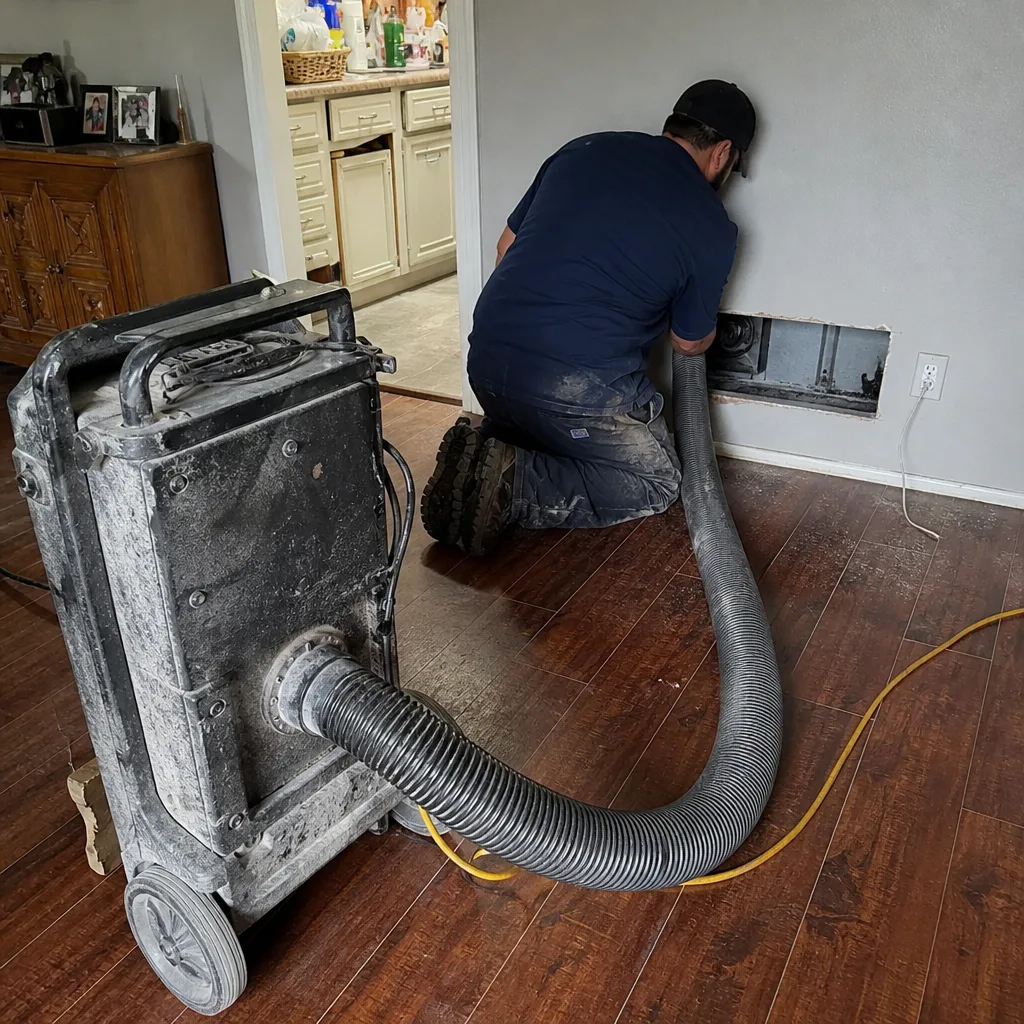 Before
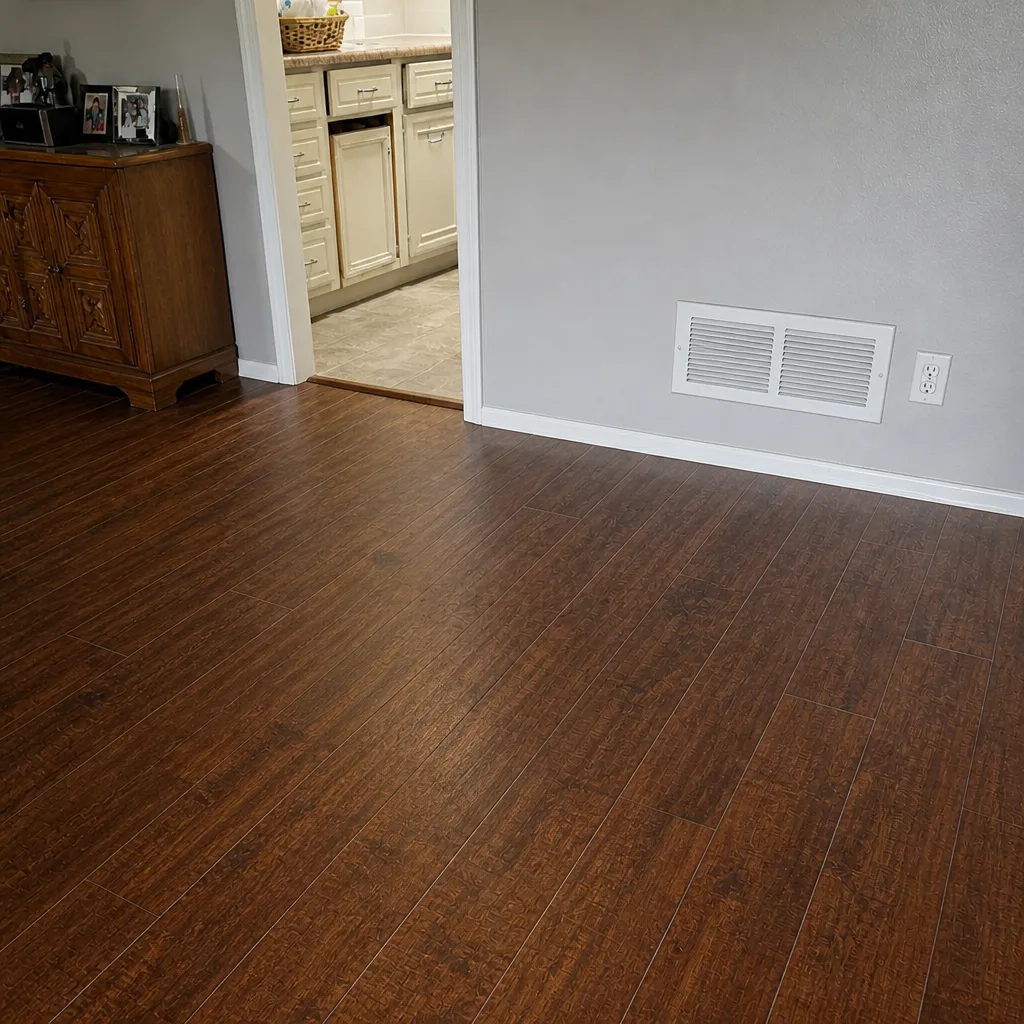 After
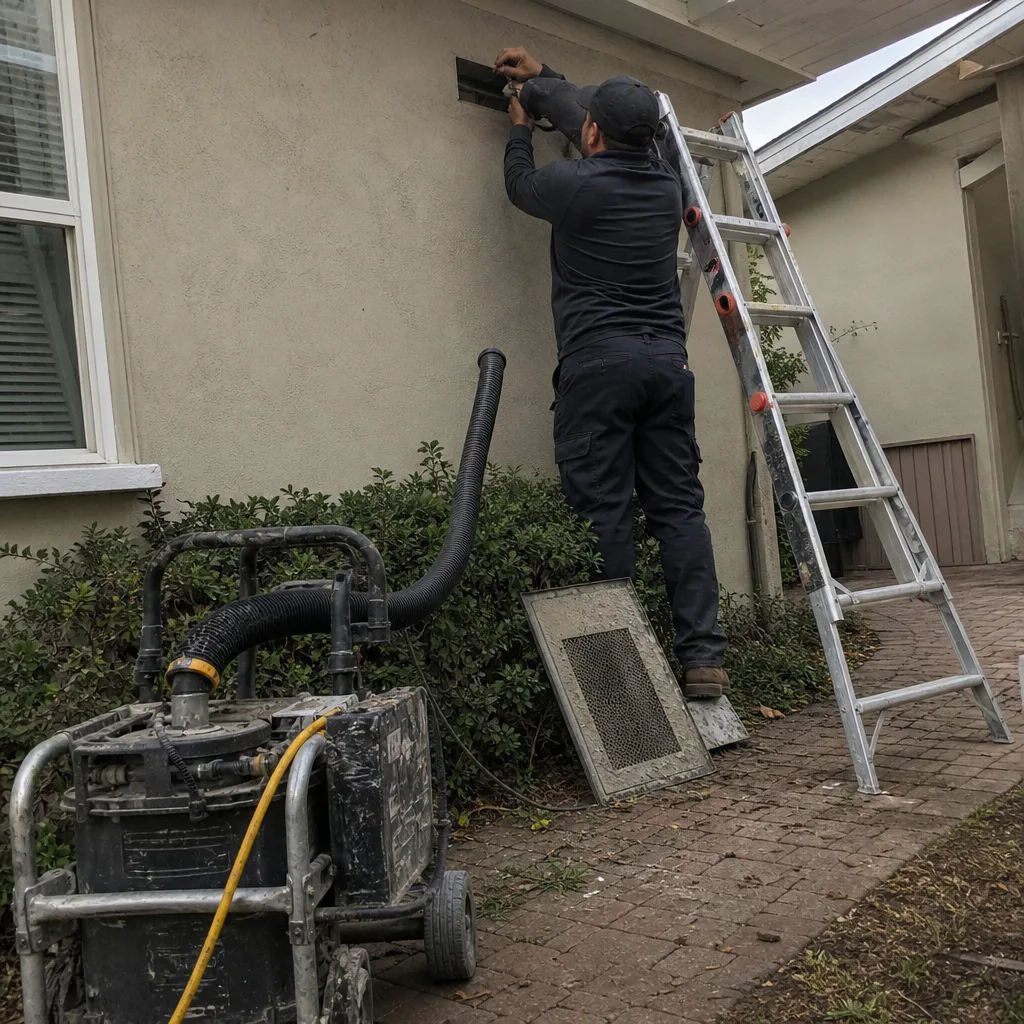 Before
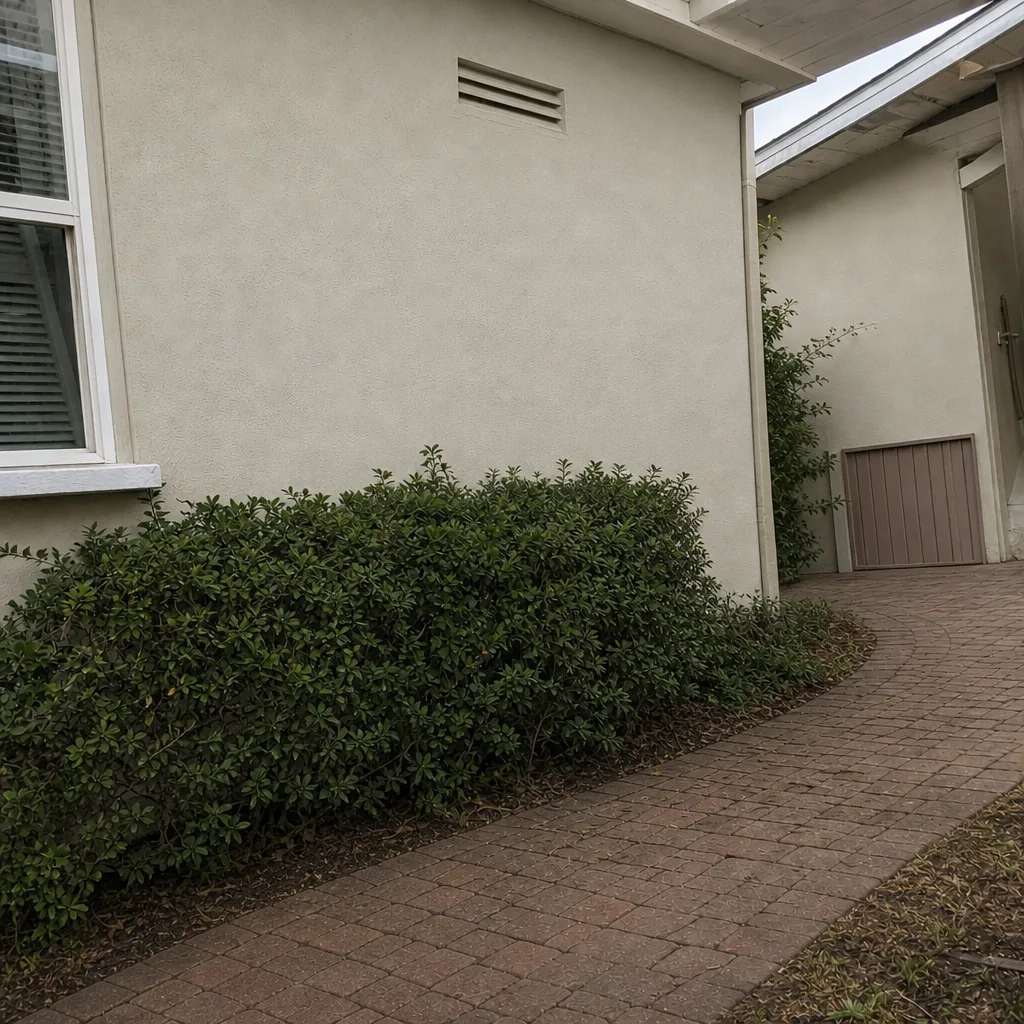 After
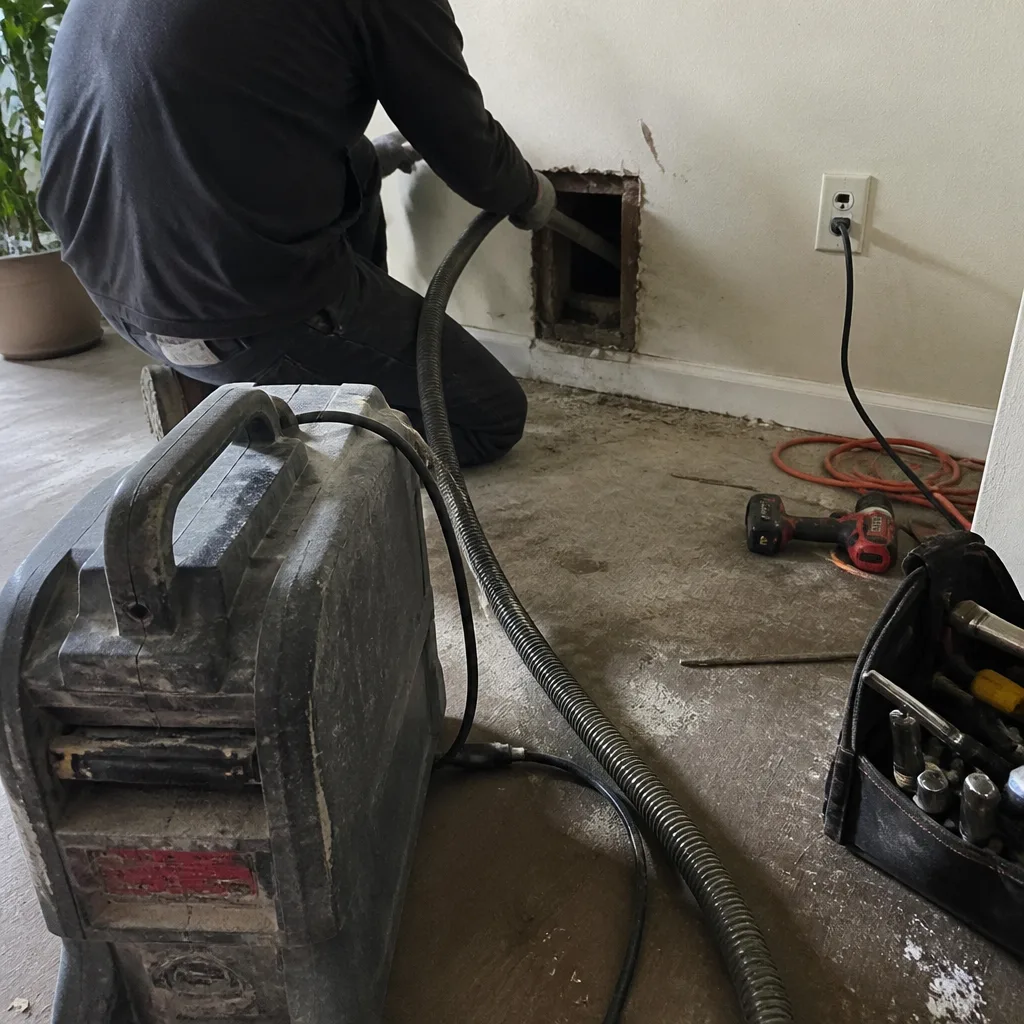 Before
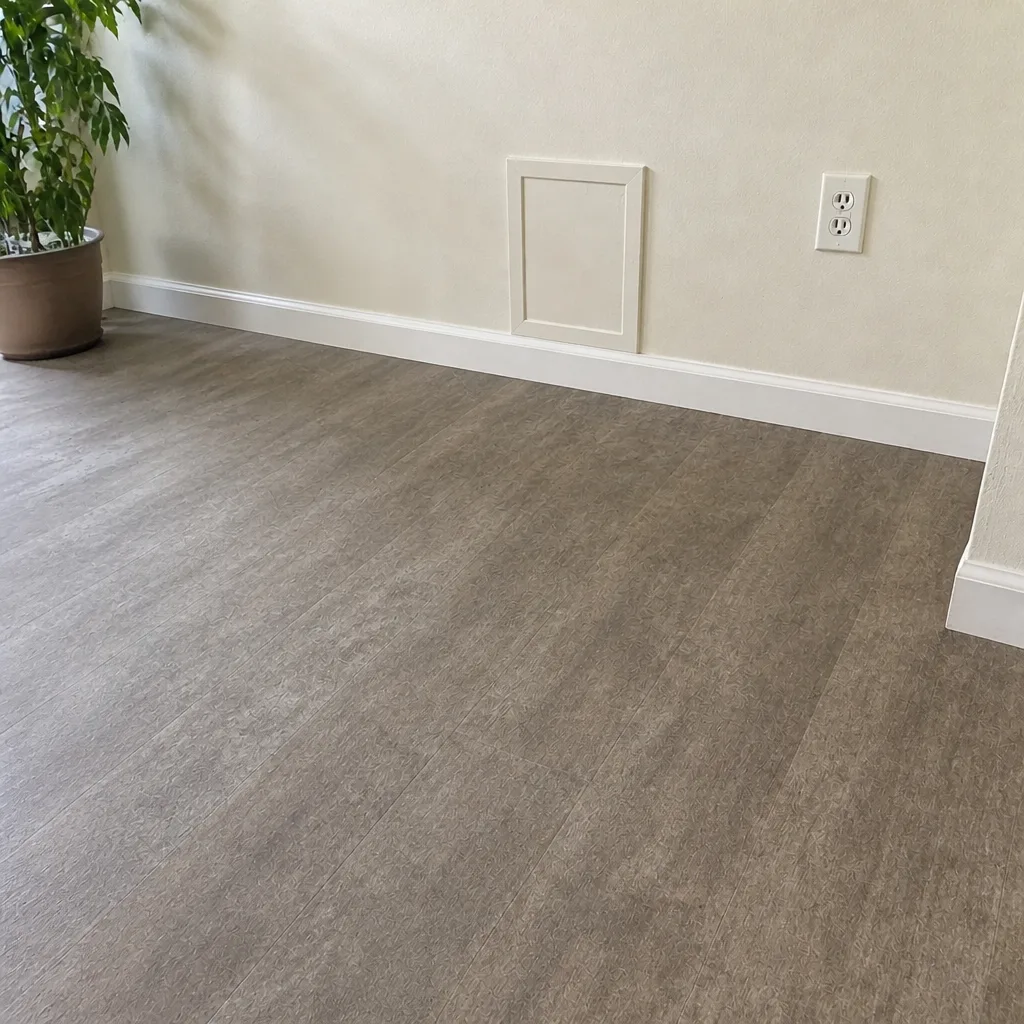 After
Common Mistakes to Avoid
- Treating 5 years as a hard rule. The interval is a starting point. In a Highland Park home that ran through smoke season with two dogs, 5 years is too long.
- Cleaning before a renovation instead of after. Drywall dust and construction debris will resettle in freshly cleaned ducts before the project is done. Clean once the dust has settled.
- Upgrading to a MERV-13 filter on a dirty system. A high-MERV filter in a contaminated duct system clogs faster and strains the blower. Clean and seal first, then upgrade.
- Skipping the sealing step. A cleaning with unsealed joints simply resets the clock. Many companies stop at vacuuming, and that leaves the leaks in place.
- Judging condition by looking at one register. The registers are the least informative part of the system. The return drop and the air handler tell you more.
- Ignoring mustiness because it’s mild. A faint smell that strengthens when the system starts points to moisture somewhere, and moisture only spreads.
- Not keeping a record. Without dates and photos, you can’t tell whether a cleaning is due, and neither can a buyer’s inspector.
When to Call a Professional
Call a professional when you see visible mold inside the ductwork, smell mustiness that gets stronger when the system runs, find disconnected or crushed duct in the attic, or notice vermin activity. Call after a significant wildfire smoke event if the filter loaded unusually fast or the system hasn’t been cleaned in recent years. Call when you’ve moved into an older Highland Park home and can’t document a prior cleaning. And call when the system is simply past its interval and you want an honest opinion rather than a scarier story from a salesperson.
Highland Park Air Duct Cleaning Pros offers free estimates in Highland Park. We evaluate the full system, recommend the equipment that fits, and give one flat price per system before any work starts. Our technicians have up to 8 years of experience, and we’ve seen enough Highland Park duct systems to know the difference between a job that’s due and a job that can wait. Call (844) 702-0753. We answer 24/7. Fast dispatch from 7am to 7pm, Sunday through Friday.
Frequently Asked Questions
Every 3 to 5 years is the right baseline for a typical Highland Park home, shortened to 2 to 3 years after a significant wildfire smoke event, a renovation, or a new pet, and shortened immediately if you see debris at the registers or smell mustiness when the system starts. The deciding factors are conditions, not the calendar alone. Call (844) 702-0753 for an exact assessment – estimates are free.
The honest answer is that pricing depends on the size of the system and its condition, so we set one flat price per system after a free estimate rather than quoting a per-vent figure. That flat price is what we agree before work starts, and it doesn’t change because a technician found more to do onsite. Call (844) 702-0753 for an exact quote.
A low teaser price usually reflects a service that stops at surface vacuuming, without proper agitation or sealing of leaks, and the price often grows once the technician is on site. That per-vent model is what makes the industry’s bait-and-switch reputation so durable. We use a flat price per system, and we deliver before-and-after photos of your own ducts so you can see what was removed. Call (844) 702-0753 for an estimate.
Before-and-after photos of your ducts are the clearest proof, and you should ask for them before you book. A signed maintenance record with dates and the specific work performed is the second-best evidence, especially for resale. We provide both. Call (844) 702-0753 to book an estimate.
It can extend the interval, but only if the duct system is already clean and the filter frame is sealed tight against the filter. On a dirty system, a MERV-13 mostly loads faster and strains the blower. Clean and seal first, then use the better filter. Call (844) 702-0753 for a filter and duct evaluation.
Sometimes yes, and we’ll tell you so when it’s true. If your record shows a recent cleaning, the filter is fresh, and there are no visible or olfactory signs of contamination, waiting makes sense. If you’ve run the system through a smoke event or moved into an older home without records, don’t wait. Call (844) 702-0753 for a free estimate.
The Bottom Line
The best duct cleaning schedule for a Highland Park home is not a fixed number of years. It’s a condition-based plan built around four things: your baseline interval of 3 to 5 years, the wildfire smoke seasons that reduce it, a filter rhythm of 1 to 3 months that keeps the system cleaner between cleanings, and an annual visual check that catches leaks and moisture before they cost you. Add the sealing step after cleaning and a one-page maintenance record, and you’ll have a system you can actually explain when you sell. The goal is air you can measure, not just feel, and a schedule that fits your house rather than a national average.
Written by the team at Highland Park Air Duct Cleaning Pros.