
Last updated November 22, 2026
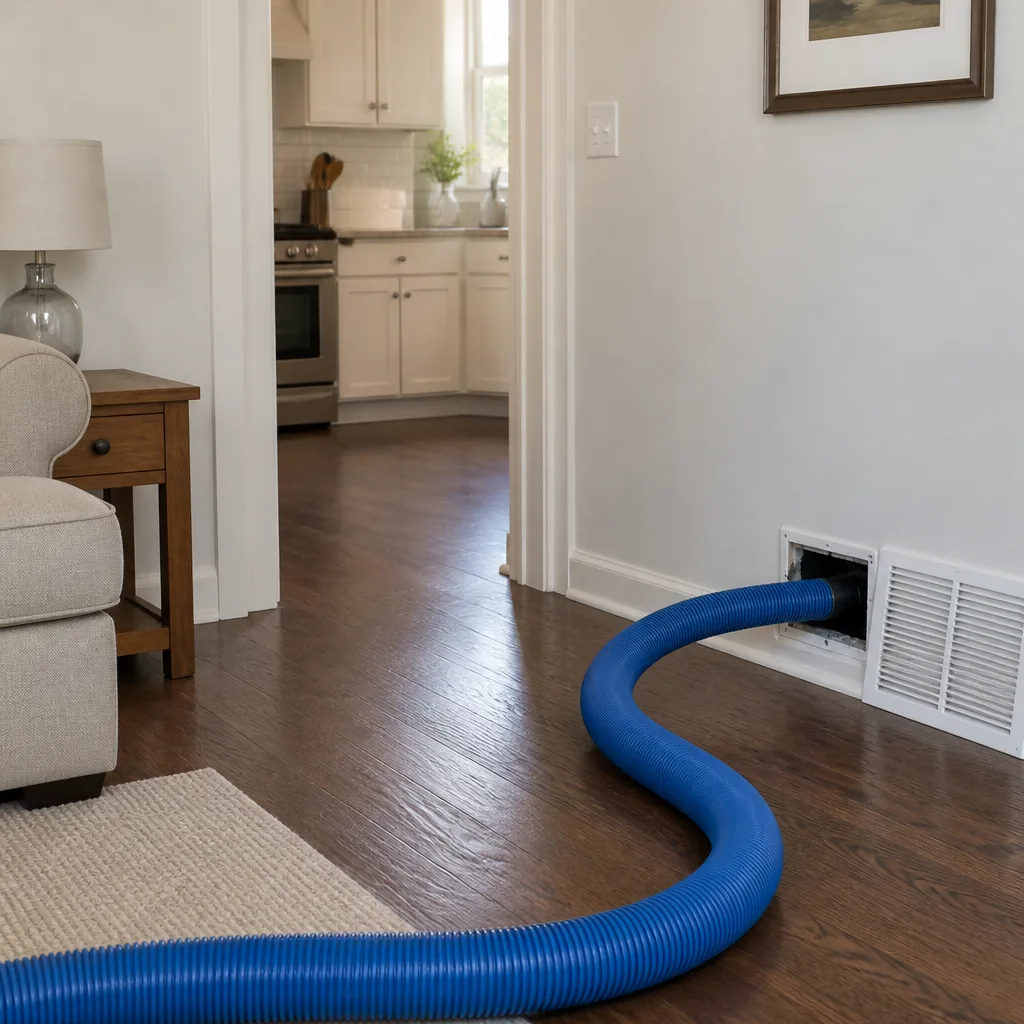 Whole-home duct cleaning
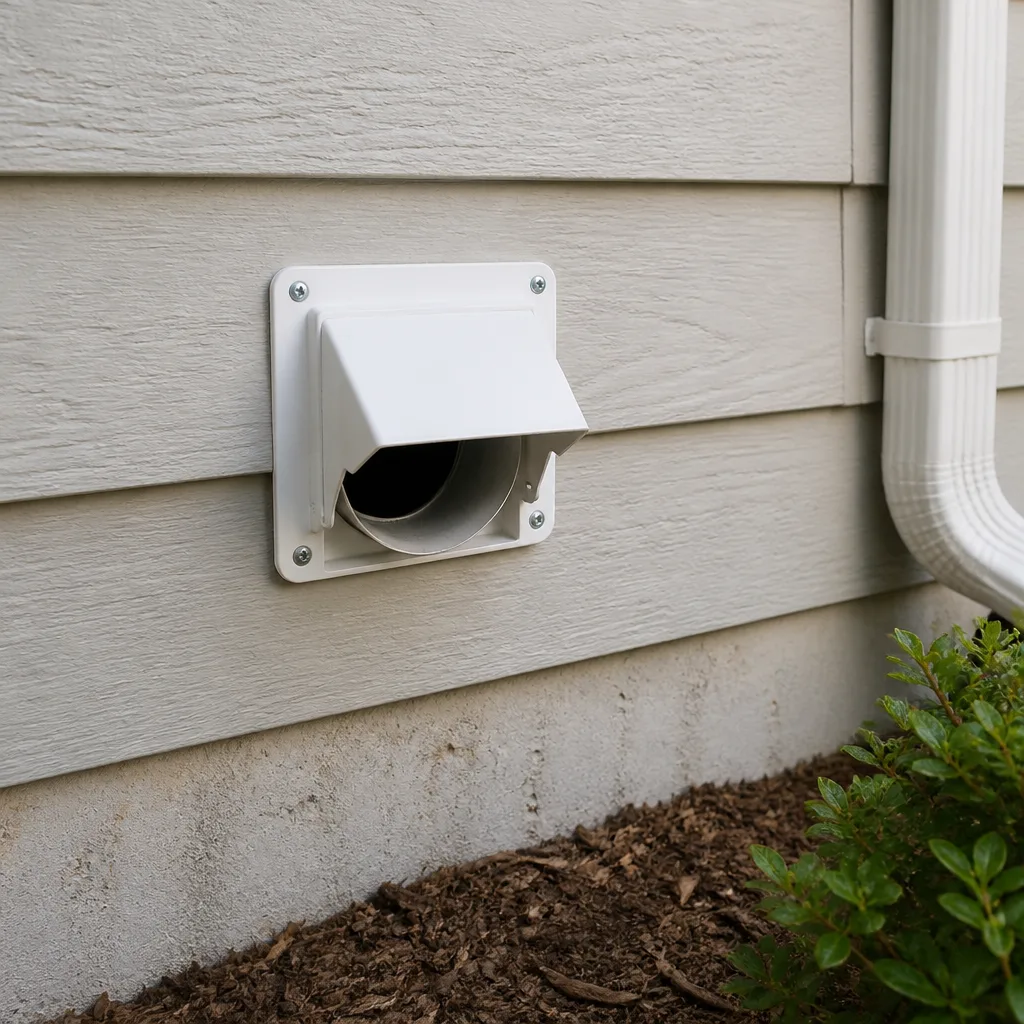 Dryer vent cleaning
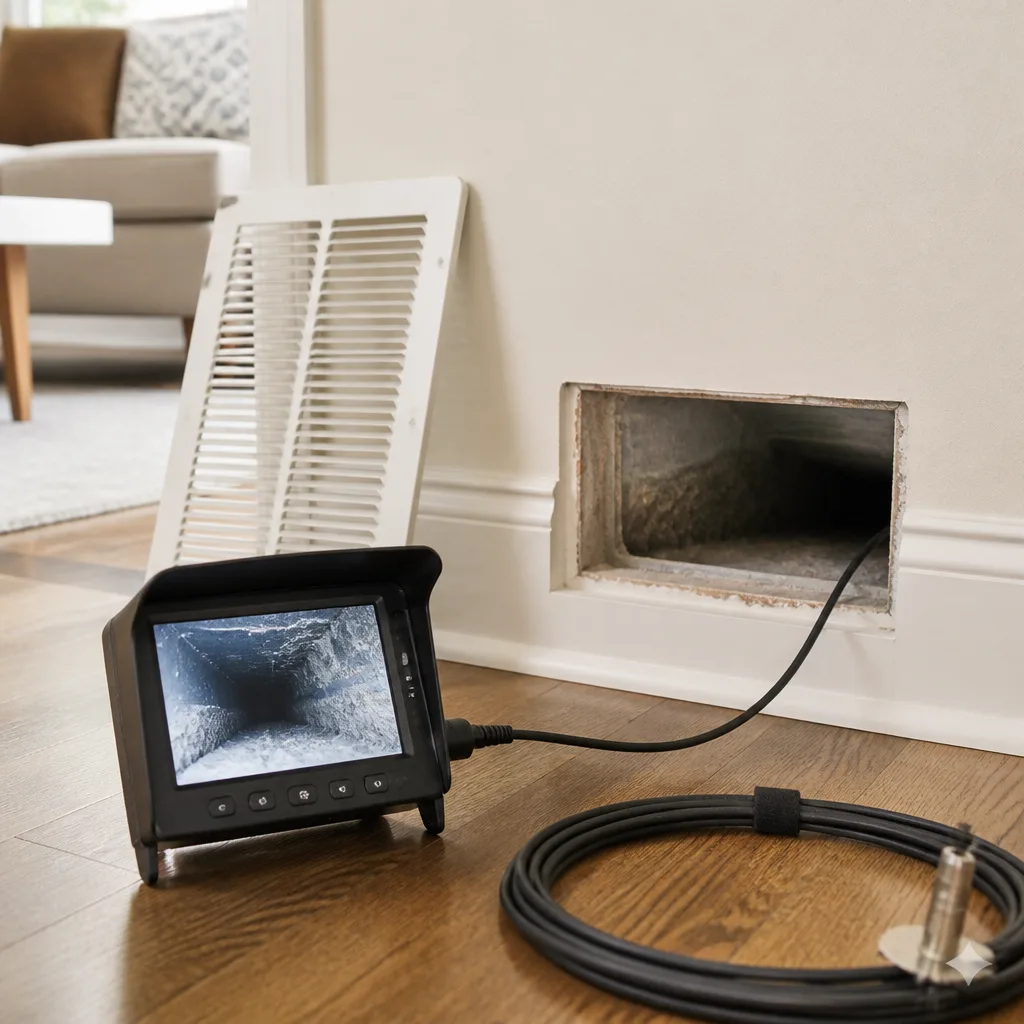 Camera inspection
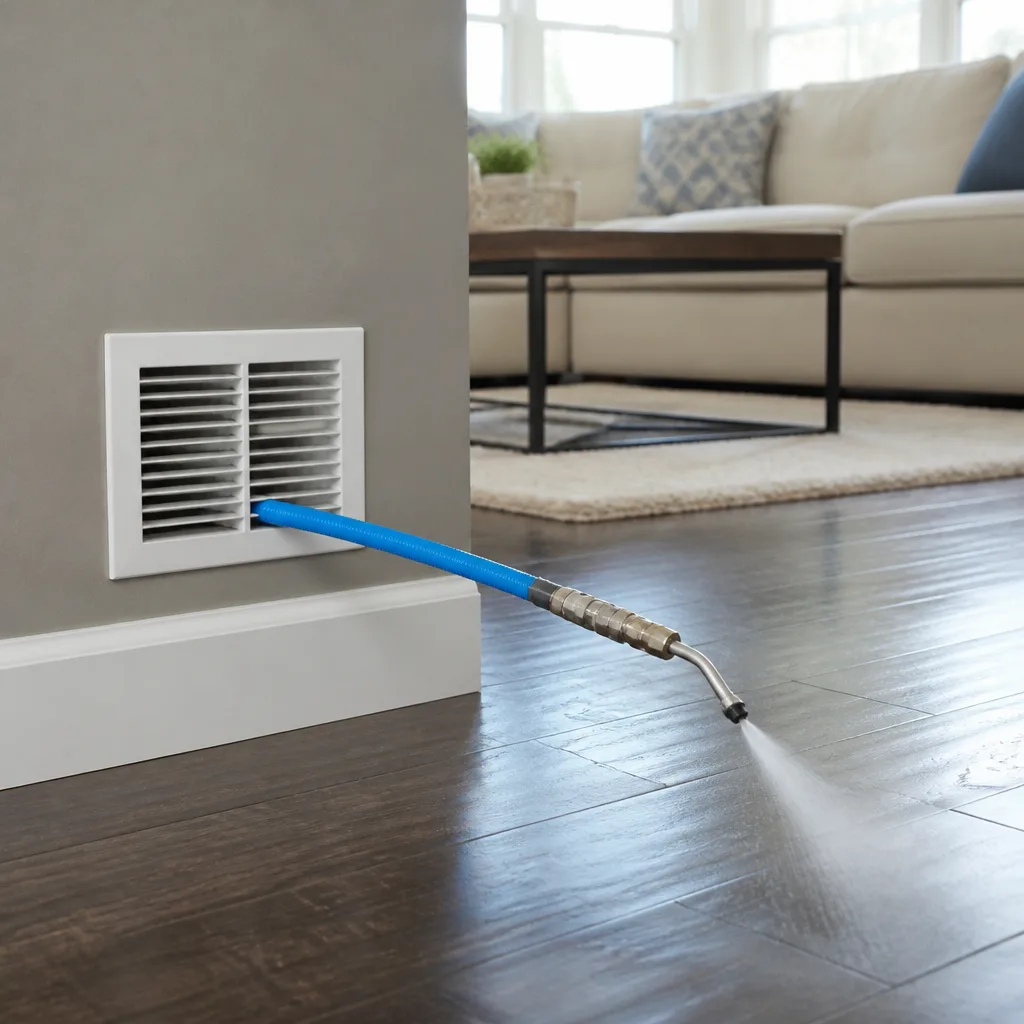 Sanitizing & deodorizing
Whole-system duct and dryer vent check with before-and-after photos - you see exactly what came out of your vents
That "$99 whole-house special" is a bait ad - the real number appears once they are in your hallway, or the "clean" is a shop-vac at the register. We photograph the inside of your ducts before and after instead.
Air Duct Cleaning Maintenance Checklist for Highland Park Homeowners
Most duct maintenance advice is built on calendar intervals: change the filter every 90 days, schedule a cleaning once a year, and move on. That advice was written for a climate that doesn’t exist here. In Highland Park, a single Santa Ana wind event can push enough dust and smoke particulate through a return grille to load a filter to failure in under a week. Timing matters more than intervals in this city. What follows is a decision framework, not a to-do list: which triggers are calendar-based, which are event-based, what you can check yourself, what genuinely requires professional equipment, and where the red lines sit that move a routine item into urgent service territory.
Quick Answer
A complete duct maintenance routine for a Highland Park home combines three things: filter changes driven by events as well as time (Santa Ana wind days, wildfire smoke weeks, renovations), a visual inspection of registers and return grates you can do yourself, and professional air duct cleaning when conditions point to a system-wide problem rather than surface dust. The right interval depends on your home’s age, your HVAC setup, and what the air outside has been doing, not a fixed number of months. Check your filter after any wind event. Check your registers monthly. Call for a full evaluation when you see visible buildup past the grille or notice airflow changes.
Styles & brands we work with
- Whole-home duct cleaning
- Dryer vent cleaning
- Camera inspection
- Sanitizing & deodorizing
Table of Contents
- Why Highland Park Maintenance Timing Is Different
- Event-Triggered vs. Calendar-Based Checkpoints
- The Visual Inspection You Can Do Yourself
- What You Can Do vs. What Needs Professional Equipment
- How to Log Maintenance History That Actually Helps
- Red-Line Thresholds: When a Task Becomes Urgent
- A Seasonal Walkthrough for Highland Park Homes
- The Other Air System Parts That Affect Duct Health
Why Highland Park Maintenance Timing Is Different
Highland Park sits in a dry, hillside corner of Los Angeles with a particular combination of forces working on your ductwork. The neighborhood is dense and urban, so road dust, brake particulate, and construction debris from constant nearby remodels all contribute to the airborne load. It’s also brush country. When fire season pressure builds across the hillsides above York Boulevard and around the Arroyo, smoke doesn’t just stay outdoors. It finds its way inside through the same return air path your HVAC system uses to circulate conditioned air.
Santa Ana wind events are the biggest single factor. These dry, gusty offshore winds pick up fine particulate from dry brush, exposed soil, and urban surfaces and drive it against your home’s envelope. Every gap in your duct system, every loose connection, and every worn filter seal becomes an entry point. A filter that’s been fine for two months can look gray and matted after three days of Santa Ana wind. That’s why we tell Highland Park homeowners to treat wind events as filter-check triggers, not wait for the calendar to catch up.
Housing stock adds another layer. Highland Park has a deep inventory of older bungalows, Craftsman homes, and mid-century builds, many with ductwork that’s been sealed, patched, and rerouted over decades. Each modification is a potential leak. Homes near the hillsides also draw more dust through return grates because the outdoor air carries more of it. None of this means every Highland Park home needs constant attention. It means the schedule has to flex with actual conditions.
Event-Triggered vs. Calendar-Based Checkpoints
Here’s the core of the framework. Some maintenance tasks run on a clock. Others run on events. Mixing them up is where most homeowners get into trouble, because calendar reminders can pass you by while the air quality in your home degrades between them.
Calendar-based checkpoints
- Filter inspection: once a month, regardless of what else is happening, because a visual check costs nothing and catches the obvious cases before they compound.
- Return air grate inspection: quarterly, looking for visible dust film on the grate face and inside the frame.
- HVAC system service: once a year, which is also the natural moment to evaluate the whole duct system since a technician is already in the equipment.
- Whole-system professional evaluation: every few years for a standard home, but this is the one that should bend to conditions rather than hold firm.
Event-based triggers
These are the checkpoints that matter most in Highland Park, and the ones a lot of generic checklists skip entirely.
- After a Santa Ana wind event: check the filter within 48 hours, inspect return grates, and note any new dust film on exposed surfaces. If the filter is matted or gray, replace it now rather than waiting for the month mark.
- During and after a regional wildfire smoke event: keep windows closed, run the system on recirculate if your thermostat allows it, and check the filter as soon as the smoke clears. Smoke particulate is fine enough to get past a partially loaded filter.
- After a renovation or painting project: drywall dust, sanding residue, and solvent fumes all enter the return air path. Check filters at the end of each week the work is happening, and plan for a duct evaluation afterward if the work was extensive.
- After any HVAC repair or equipment replacement: when a technician opens up the system, ask them to look at the duct interior while it’s accessible. Dust that settled during the outage gets pushed through the moment the system starts again.
- New-to-you home: the moment you take possession, before you run the system through a full season, because you have no idea what the previous owner’s maintenance looked like.
The Visual Inspection You Can Do Yourself
You don’t need equipment to know whether your ducts are due for attention. You need a flashlight, five minutes, and a working knowledge of what to look at. In our experience, the three signals below tell you most of what a professional would tell you on a first pass.
1. Register grilles
Remove one supply register in a room you use often. Look up into the duct with a flashlight. A thin dust film is normal and not worth a call. A visible mat of dust, debris clinging to the duct walls, or evidence of animal activity is a different story. If the same buildup pattern shows in two or three registers throughout the house, the problem is system-wide and cleaning is likely due. Check grilles in different parts of the house, not just the closest one.
2. Filter condition
Pull the filter and hold it up to light. You should be able to see through it. If light is blocked across more than half the surface, it’s loaded and needs replacing. Check the edges and corners for gaps that let air bypass the filter entirely; a filter that doesn’t seat properly is only doing half the job it’s rated for. If you see the same rapid loading pattern month after month, that’s worth talking about with a professional, because it usually points to a larger dust source or a return air problem.
3. Return air grate buildup
Return grates pull air back to the system, and they collect the heavy stuff first. A return grate face that shows a visible dust coating after a few weeks of normal use means the return path is working harder than it should. Check the return in the hallway and any other returns in the home. Heavy buildup here is one of the clearest early indicators that the system needs more than a filter change.
If a visual check leaves you uncertain, that’s normal. A free estimate gives you a professional read on what you’re seeing without committing to work. The local pro is licensed and insured as their state requires, and a full-system evaluation gives you a clear picture of what’s actually going on inside the ducts.
What You Can Do vs. What Needs Professional Equipment
Some maintenance tasks are genuinely homeowner territory. Others are not, and it’s worth being honest about the line because the wrong tools can make contamination worse instead of better.
You can do these yourself
- Replace the air filter on schedule and after any wind or smoke event.
- Remove and clean supply and return grates with a vacuum and damp cloth.
- Keep the area around outdoor HVAC equipment clear of brush, leaves, and stored items.
- Seal obvious gaps around register frames with the appropriate caulk or weatherstripping where accessible.
- Log dates, filter changes, and anything you noticed.
These need professional equipment
Cleaning the interior of the ductwork itself is not a homeowner task. Surface suction with a shop vac won’t dislodge dust that’s been compacted against duct walls, and the act of pulling air with an underpowered unit can stir contamination into the living space rather than contain it. Professional cleaning uses rotary brush agitation paired with HEPA-rated vacuum extraction, which is a fundamentally different method. We operate Rotobrush rotary-brush systems to physically agitate debris off duct walls and Nikro HEPA equipment to capture particles down to 0.3 microns so contamination doesn’t spread during the job.
Where conditions call for it, we bring Abatement Technologies negative-air machines, the same remediation-grade containment used when air quality problems go beyond routine dust. Duct repair and sealing is the other category that falls firmly on the professional side; it addresses the leaks, gaps, and broken connections that let contaminants re-enter the system after a cleaning, which is why we treat it as a core service rather than an upsell.
How to Log Maintenance History That Actually Helps
A maintenance log is only useful if it captures what the next person needs to know. A scribbled “cleaned ducts” note on a calendar doesn’t help a technician diagnose a problem two years later. Here’s how to build a log that earns its keep.
- Record the date and the trigger. “Filter change, after Santa Ana event” tells a technician more than “filter change.” It connects the maintenance to a condition, and patterns emerge over time.
- Note what you observed, not just what you did. “Visible dust mat in hallway return” is useful data. Note the register location and what it looked like.
- Keep equipment details together. Filter size, HVAC make and model, and the date of any repair or replacement are worth capturing in one place. This is where brand relationships matter; if your system uses Aprilaire or Honeywell filtration or air quality components, log the model so filter replacements are accurate.
- Store professional work records. Any professional service should come with before-and-after photos of your actual ducts. Keep them. They inform future technicians and validate warranty requirements, which many HVAC equipment warranties tie to documented maintenance.
- File it where a guest could find it. If you sell the home, the log transfers with it. Buyers in Highland Park increasingly ask for this.
One flat price per system agreed before work starts, plus before-and-after photos of your own ducts, gives you records you can actually use. That’s the standard we hold to, and it’s what makes a log worth keeping.
Red-Line Thresholds: When a Task Becomes Urgent
Not every maintenance item is equal. Some signal a system that’s doing fine with routine care. Others are red lines that mean a professional evaluation shouldn’t wait. Here’s where we draw the line.
- Filter loading in under a week: if a new filter is visibly matted within days of installation, the source of the particulate needs diagnosing. This is common after a Santa Ana wind event, but if it happens week after week with no weather event driving it, that’s a red line.
- Visible debris beyond the grille: surface dust is normal. Clumps, fibrous material, or dark staining inside the duct is not.
- Noticeable airflow loss at registers: if air flow drops noticeably over a few weeks, dust buildup or a duct problem is suspect. This crosses into professional territory.
- Musty or stale odors from vents: smell that persists after a filter change points to microbial growth or moisture somewhere in the system. This needs evaluation, not air freshener.
- Visible mold at a register or on duct insulation: this is a stop-and-call threshold. Don’t keep running the system while you sort it out.
- Pest evidence: droppings, nesting material, or scratching sounds from ductwork mean contamination that standard cleaning may not fully address, and it needs the right evaluation.
- Recent renovation or known asbestos exposure: material disturbance can release fibers into the duct system. This calls for professional assessment before the system runs again.
One more red line worth naming: a previous cleaning that didn’t feel thorough. If a company came out, ran a vacuum for twenty minutes, and left without showing you anything, that’s not a maintenance event; it’s a gap in your maintenance history. Our approach is built around full-system evaluation with verifiable results, which means we’re starting from what’s actually in your ducts rather than a generic pitch.
A Seasonal Walkthrough for Highland Park Homes
The seasons here are not the seasons a national checklist is written for. Rather than four equal blocks, think about two pressure periods and two recovery windows.
The dry wind season
Santa Ana wind events cluster across the cooler, drier months, when offshore flow pushes dust and smoke particulate across the basin. During this window, filter checks happen weekly rather than monthly, and a full replace after a major event is normal. Return grates are worth checking every couple of weeks. Registers that showed light buildup before can start to show heavier dust under sustained wind pressure. If the hills around Highland Park are under fire weather watch, it’s a good time to log the events and check filters on the other side.
The smoke season
Wildfire smoke overlaps with wind season, but it has its own maintenance implications. Smoke particles are fine enough to pass a partially loaded filter and coat interior duct surfaces. After smoke clears from the neighborhood, check the filter, inspect a return grate, and note any odors. If you smell smoke inside the home after the event has ended, that’s a red-line signal.
The mild-wet window
When rain does come, it’s usually brief and light. It doesn’t freeze, doesn’t pile up, and doesn’t drive the freeze-protection maintenance that colder climates demand. What it does do is settle the dust that’s been airborne. This is a natural window for full-system evaluation, professional cleaning, and duct repair and sealing, because conditions are calmer and any leaks in the system get addressed before the next dry cycle. It’s also a good time to schedule HVAC cleaning since the system has been running hard through the hot season.
The hot season
Summer load on the HVAC system is the maintenance trigger here. Filter changes get more frequent, and any airflow weakness shows up under sustained cooling demand. If the system has been struggling, this is when duct leaks become expensive; sealed ducts hold conditioned air where it belongs. For Highland Park homes with older ductwork, summer is often when the interest in duct repair and sealing peaks.
The Other Air System Parts That Affect Duct Health
Air ducts don’t operate in isolation. Their condition is driven by every other part of the indoor air system, which is why a full-system evaluation matters more than spot cleaning. Three connections are worth naming for Highland Park homeowners.
Dryer vents are the first. A clogged dryer vent restricts airflow, pushes lint into the surrounding space, and adds a fire risk that’s separate from your duct system. Routine dryer vent cleaning keeps the laundry system running safely and reduces lint migration into adjacent spaces. It’s not a duct task, strictly, but it’s part of the same air system in the home, and once-a-year attention is a reasonable rule of thumb.
Air quality treatment is the second. Mechanical cleaning removes what’s physically in the ducts. Residual microbial growth and lingering odors may call for a sanitizing treatment, which is a separate service. We work with Honeywell and Aprilaire products for whole-home air quality improvement, and use Guardsman products where applicable for the sanitizing side. Air quality you can measure, not just feel, is the standard.
The third is duct repair and sealing. This is the category most duct cleaners don’t offer, and it’s the one that most affects long-term maintenance intervals. A duct system with gaps and loose connections will reintroduce contamination faster than a sealed system. If we find those issues during a full evaluation, we address them as part of the work rather than leaving you to rebook. Our five core services, air duct cleaning, dryer vent cleaning, HVAC cleaning, duct repair and sealing, and air quality and sanitizing, are designed to cover the whole indoor air system under one provider.
If you’re at the point where you’re ready to get an honest evaluation, the first step is a call. Highland Park Air Duct Cleaning Pros gives free estimates in Highland Park, with a full-system walkthrough and before-and-after photos. Call (844) 702-0753. We answer 24/7. Fast dispatch from 7am to 7pm, Sunday through Friday.
Common Mistakes to Avoid
- Treating “every 90 days” as gospel in a Santa Ana wind climate. A single wind event can load a filter to failure in under a week. Check after events, not just on the calendar.
- Assuming a filter that looks fine is doing the job. Hold it up to light. A partially loaded filter can look clean from the outside and still be blocking airflow.
- Buying a cheap cleaning package priced per vent. The low teaser price turns into a much larger invoice once the technician is on site. One flat price per system, agreed before work starts, is the answer to that pitch.
- Cleaning ducts without repairing leaks first. If the system has gaps in the ductwork, cleaning sanitizes a system that will re-contaminate. Repair and sealing address the root cause before and after cleaning.
- Skipping the log. Without a record of what was cleaned, when, and what condition it was in, the next technician starts from zero, and warranty documentation gets thin.
- Ignoring the dryer vent because it’s not part of the HVAC. Lint migration, fire risk, and airflow restriction make dryer vent maintenance a separate but connected line item.
- Running the system after a fire event without checking the filter or calling for evaluation. Smoke particulate doesn’t clear out of a duct system on its own. If the smell lingers, that’s a red-line signal.
See the difference
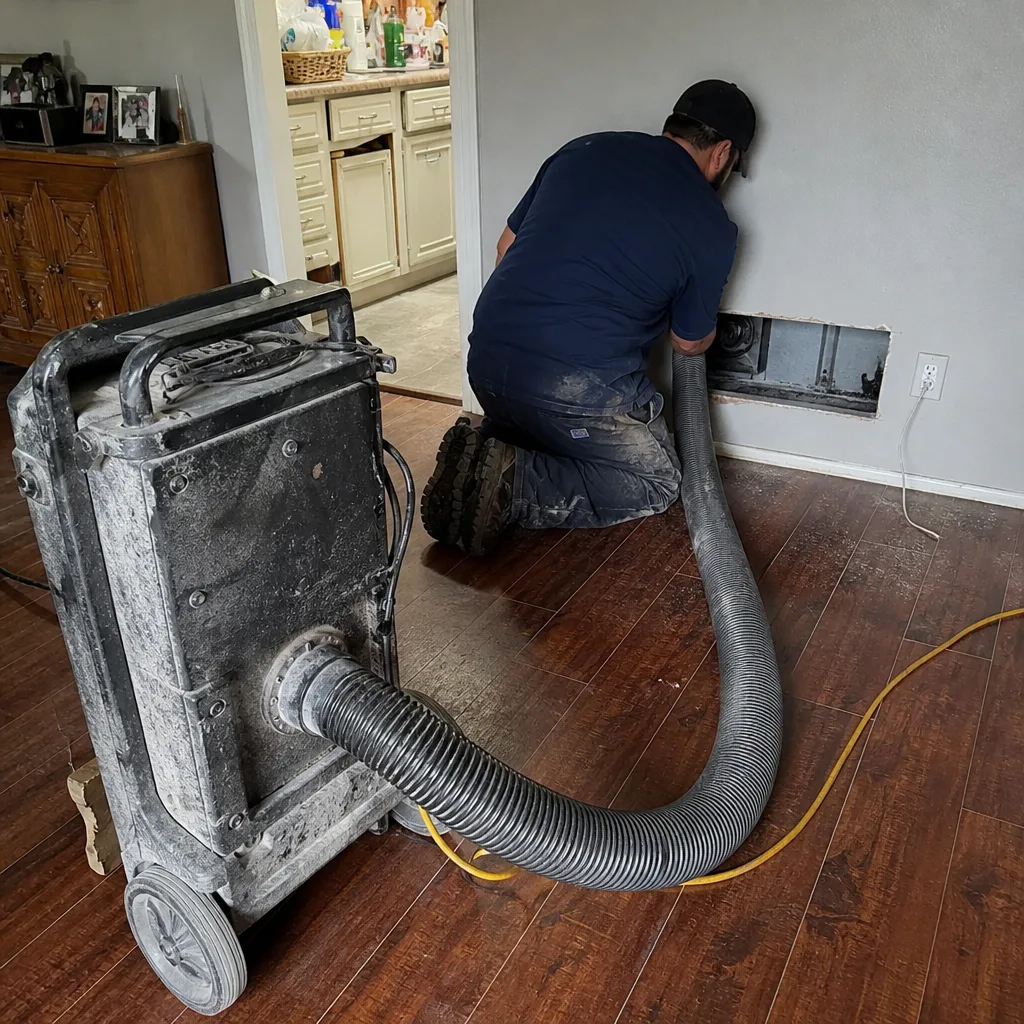 Before
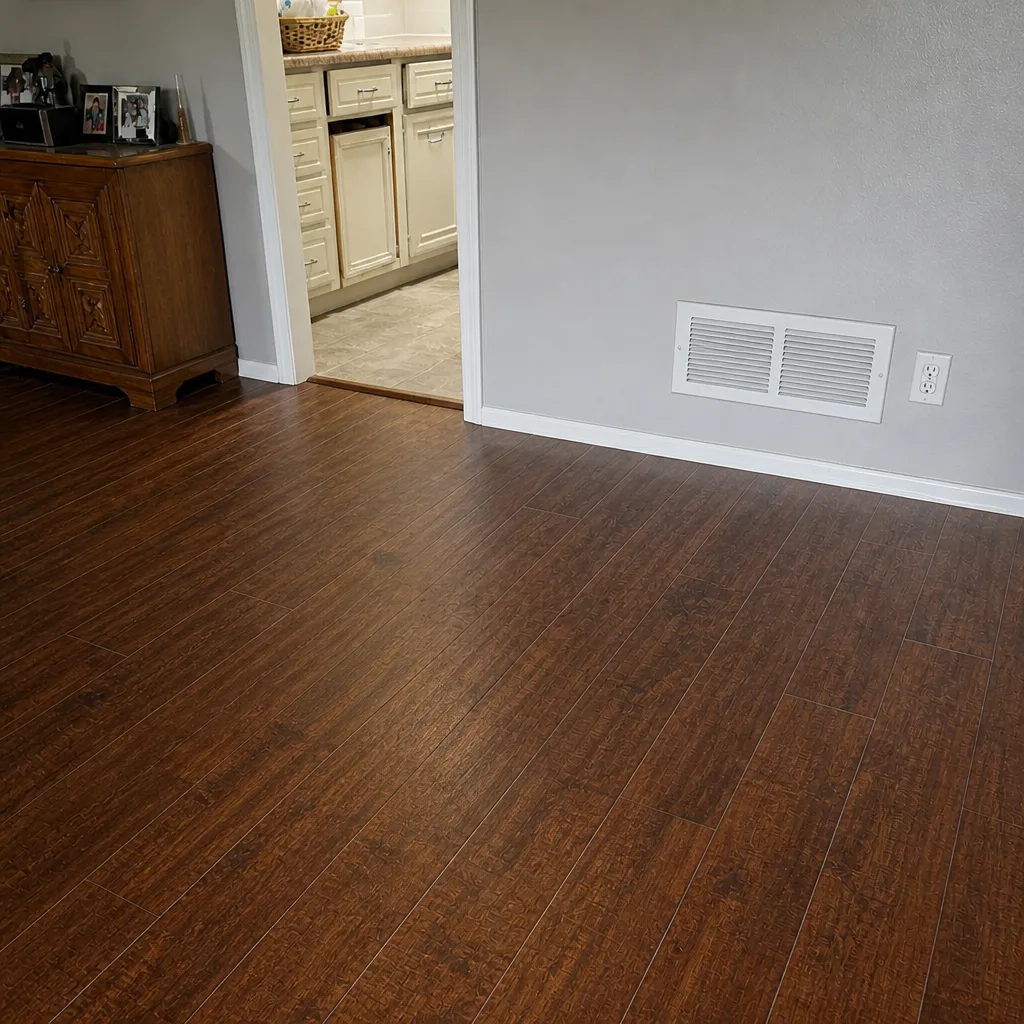 After
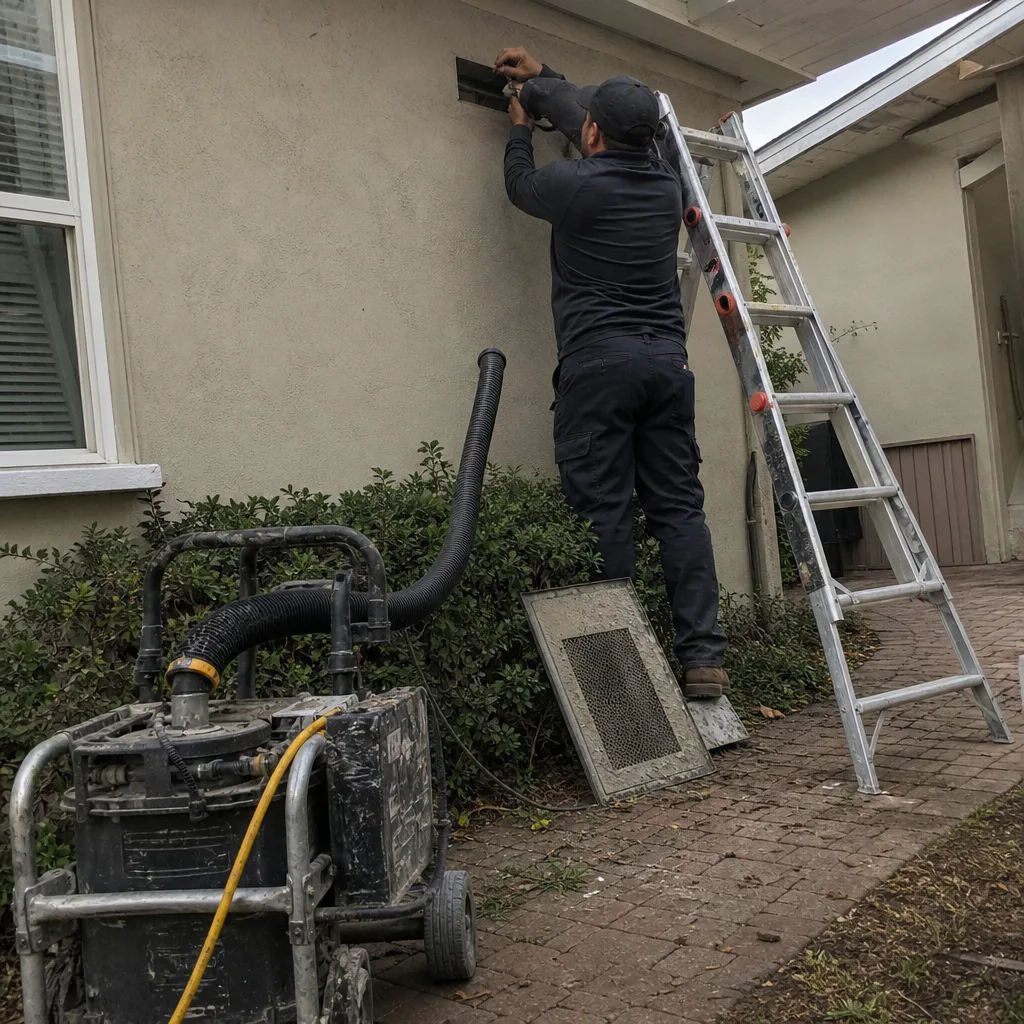 Before
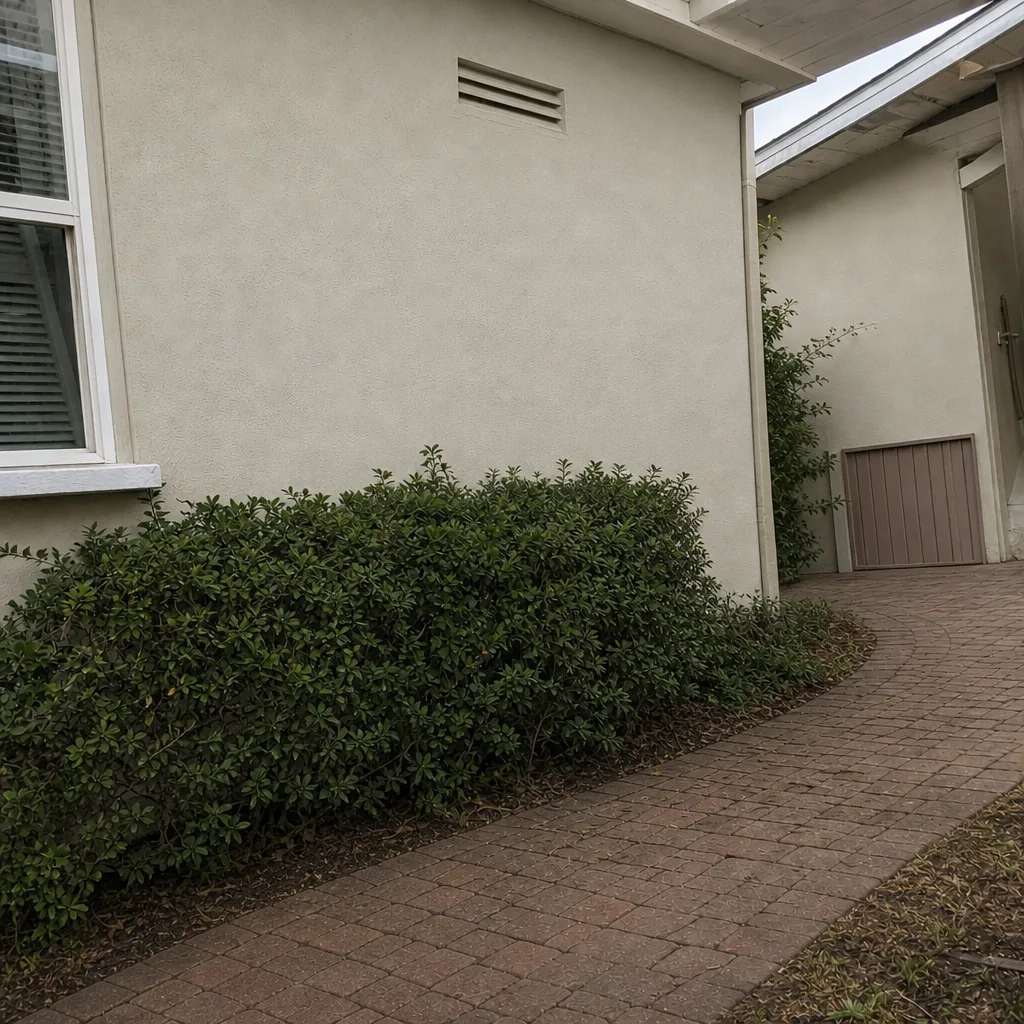 After
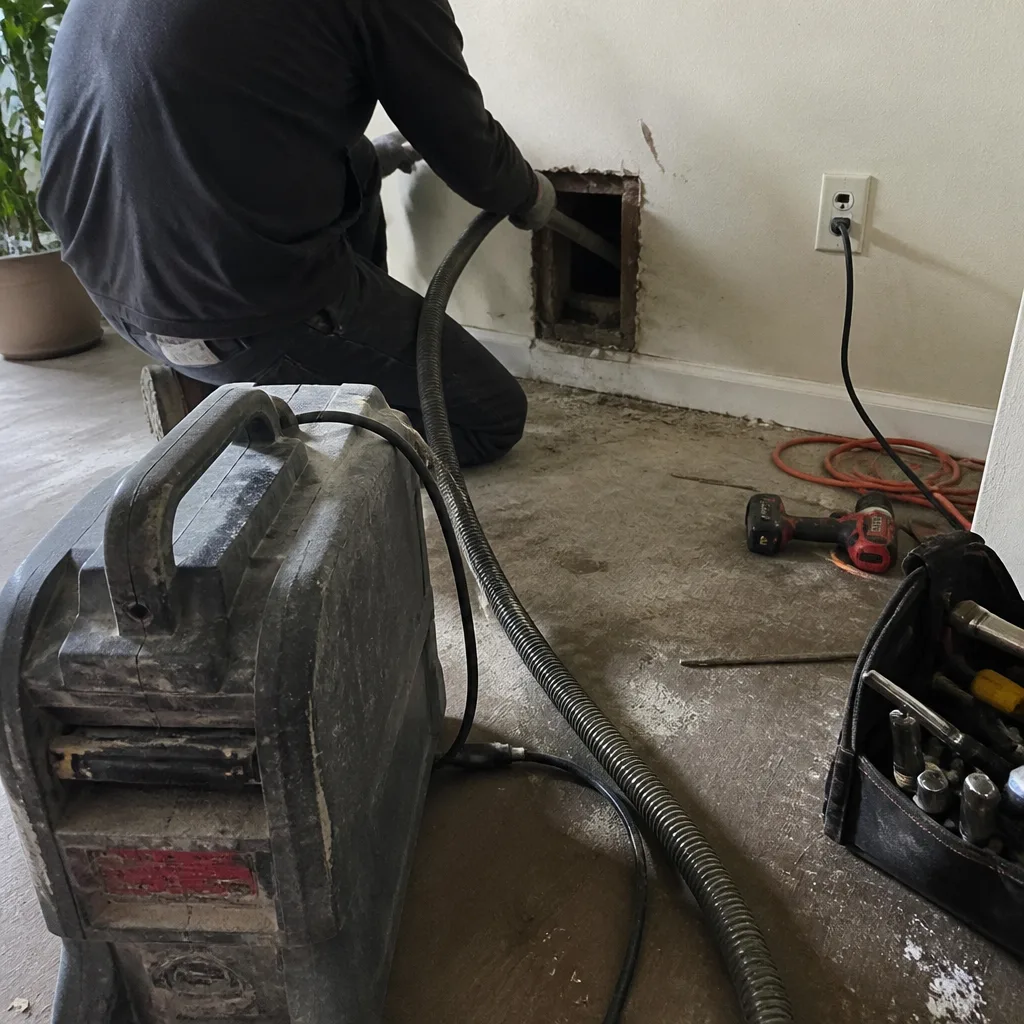 Before
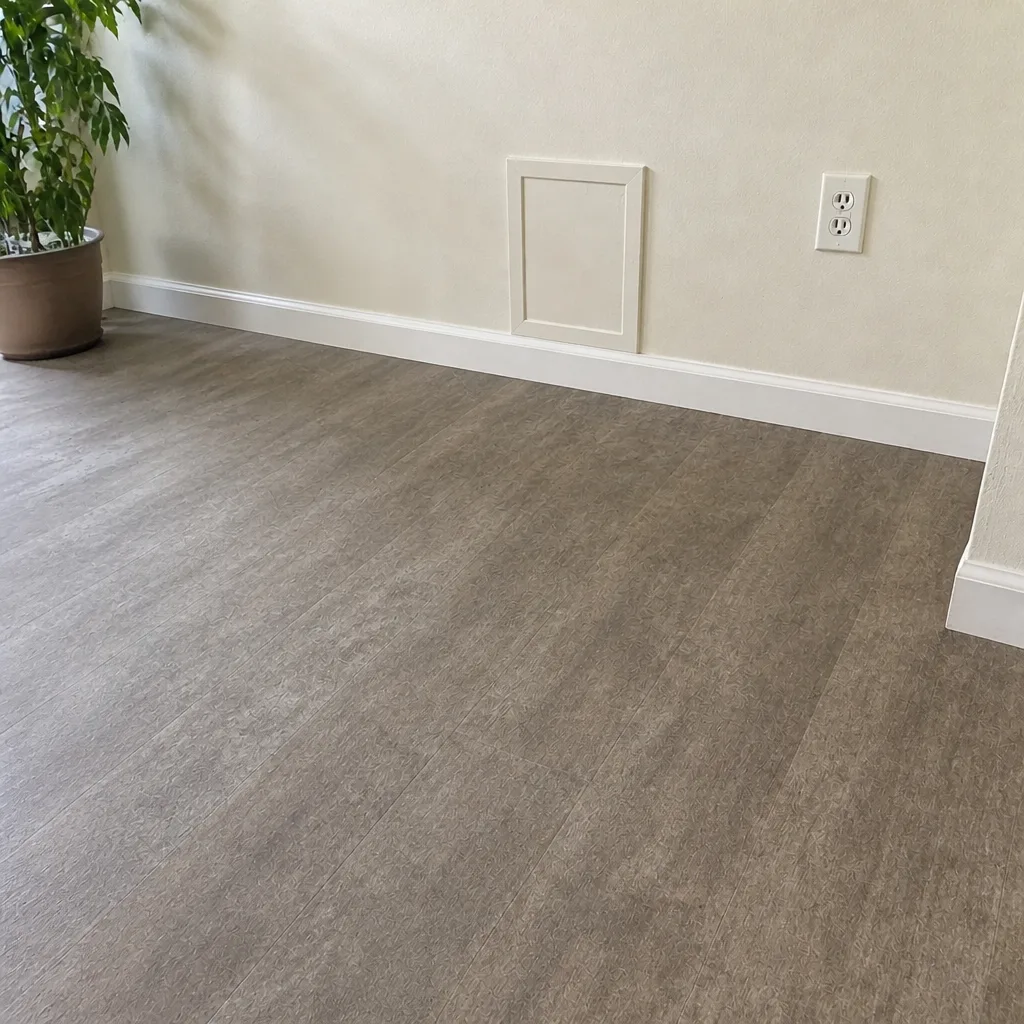 After
When to Call a Professional
Call when the visual checks turn up something you can’t interpret, or when an event has pushed the system past routine. Specific scenarios: any visible buildup past the register grille in more than one room, airflow that’s noticeably weaker than it was a few weeks ago, musty or smoky odors that persist after a filter change, a filter that loads within days of replacement without a clear weather cause, evidence of pests or moisture in the ducts, a recent renovation that involved drywall or sanding, or a previous cleaning that didn’t come with any proof of what was done. Highland Park Air Duct Cleaning Pros offers free estimates in Highland Park. Call (844) 702-0753. We answer 24/7. Fast dispatch from 7am to 7pm, Sunday through Friday.
Frequently Asked Questions
For a Highland Park home with no unusual conditions, a full-system professional evaluation every few years is a reasonable starting point, but the interval should bend to event-driven conditions. Homes near the brush and hillside areas, homes that have been through a major renovation, and homes with older ductwork that’s been patched over time will need attention sooner. Watch for the red-line signals in this guide rather than holding to a fixed interval.
Yes. Santa Ana wind events drive dry, particulate-heavy air against your home’s envelope, and that particulate loads a filter faster than normal day-to-day use. In our experience, the filter can go from fine to matted within days of a major wind event. Check it within 48 hours and replace if it’s loaded.
If the home has no lingering smell and the filter changed out fine, cleaning isn’t automatically required. But fine smoke particulate can coat interior duct surfaces, and once it’s there it doesn’t clear out on its own. If you smell smoke inside the home after the smoke clears outdoors, or if a return grate shows heavy buildup, a professional evaluation is worth doing. A call gives you an honest read without committing to a cleaning.
No, not effectively. Surface suction with a shop vac won’t dislodge compacted dust from duct walls, and the low-powered airflow can stir contamination into the living space. Professional cleaning uses rotary brush agitation paired with HEPA-rated vacuum extraction, which is a fundamentally different method. Get a professional evaluation when the visual checks call for it.
We don’t quote per-vent prices or teaser coupon figures, because the industry’s bait-and-switch reputation comes from exactly that pitch. What we do quote is one flat price per system, agreed before any work starts, based on what a full-system evaluation finds. The written estimate sets the final price. Call (844) 702-0753 for a free estimate.
You should get before-and-after photos of your own ducts, not generic stock images. The local pro is licensed and insured as their state requires, and a written record of the work, with documentation of what was found and what was cleaned, gives you something to validate and to keep in your maintenance log. We provide both.
Cheap quotes are usually built around a per-vent pitch that turns into a much larger invoice once the technician is on site, or around surface suction with underpowered equipment rather than rotary-brush agitation and HEPA extraction. One flat price per system, agreed before the work starts, is the answer to that pattern. Call (844) 702-0753 for a free estimate.
The Bottom Line
Maintenance in Highland Park isn’t a calendar; it’s a response system. Filter changes still matter, but Santa Ana wind events and fire-season smoke make event-based triggers the ones that actually protect your indoor air. Know what you can check yourself, respect the line where professional equipment takes over, log what you find so future technicians can build on it, and watch for the red-line signals that move a maintenance task into urgent territory. If you’re unsure where you stand, a full-system evaluation answers that question honestly. Call (844) 702-0753 for a free estimate.
Written by the team at Highland Park Air Duct Cleaning Pros.