
Last updated November 22, 2026
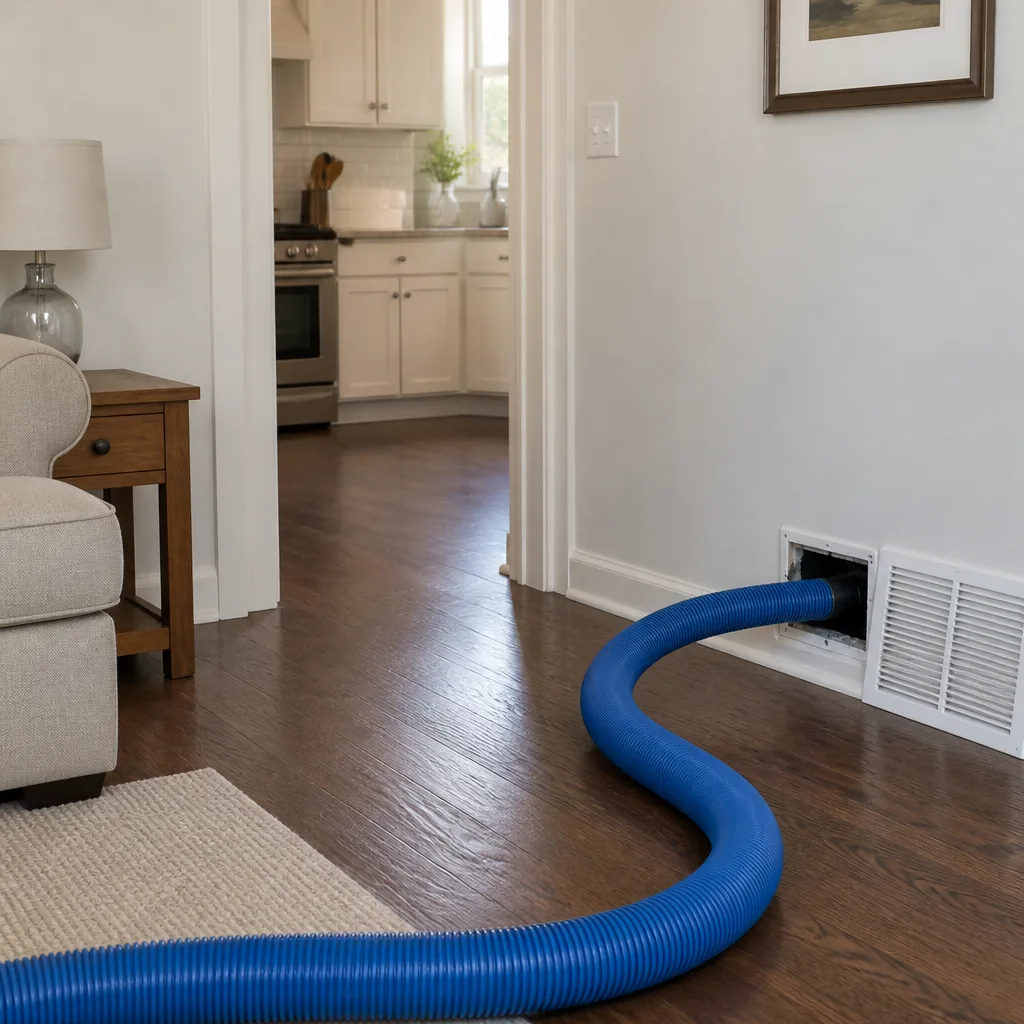 Whole-home duct cleaning
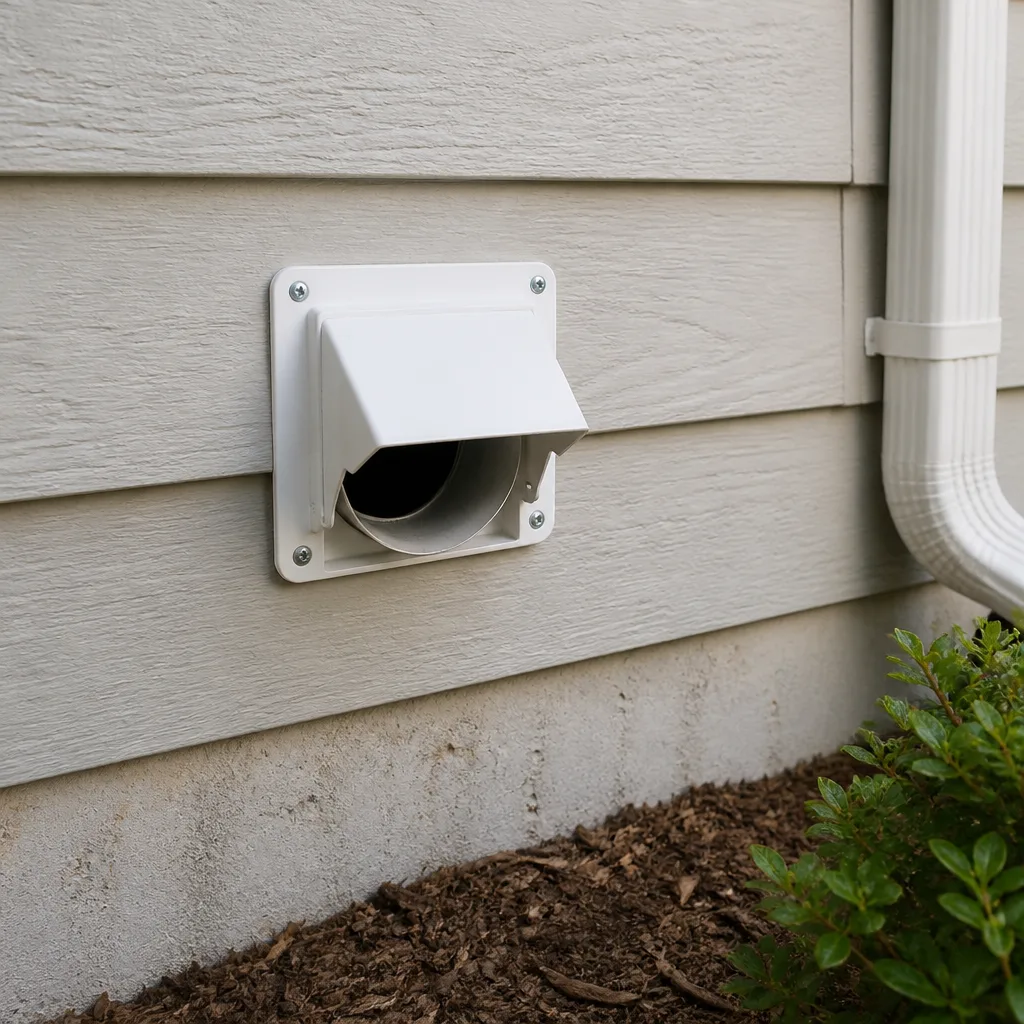 Dryer vent cleaning
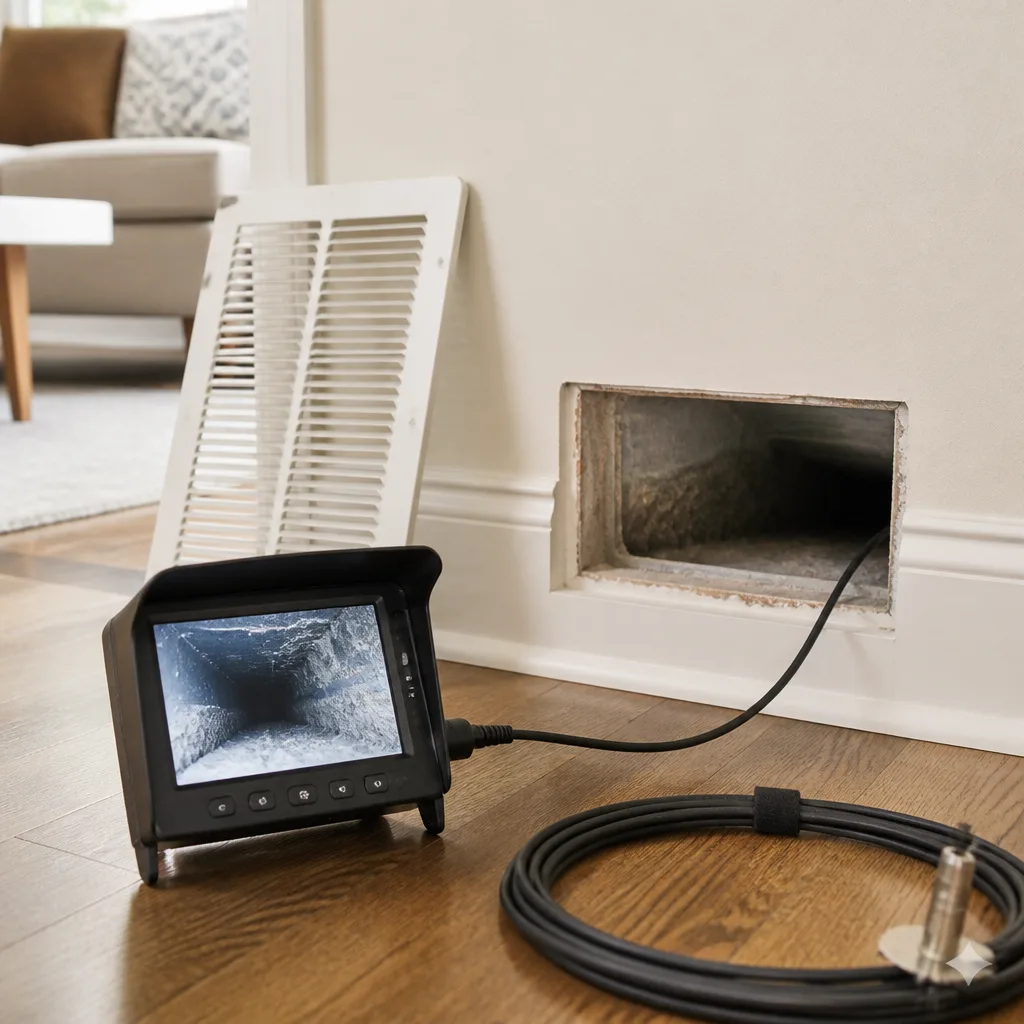 Camera inspection
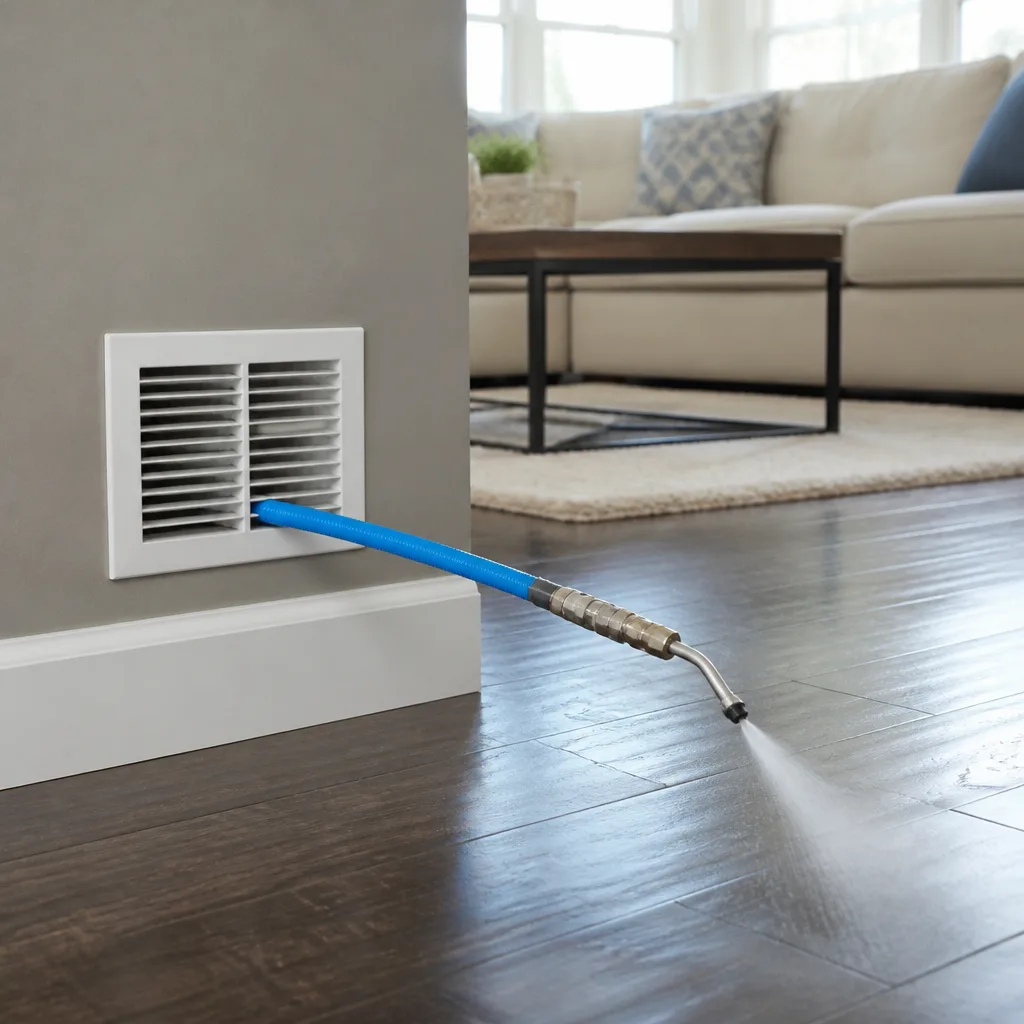 Sanitizing & deodorizing
Whole-system duct and dryer vent check with before-and-after photos - you see exactly what came out of your vents
That "$99 whole-house special" is a bait ad - the real number appears once they are in your hallway, or the "clean" is a shop-vac at the register. We photograph the inside of your ducts before and after instead.
Choosing the Right Air Duct Cleaning Brand: A Buyer’s Guide for Highland Park
Here’s something that surprises most homeowners: there’s no nationally dominant brand in professional duct cleaning the way there is in pest control or appliance repair. Nobody owns the category. So when a company touts its “brand,” what they’re usually describing is a name on the side of the truck, not a measurable standard of work. In this guide, we want to change how you shop. Instead of comparing logos, you’ll learn to compare equipment specifications, service scope, and process – the things that actually determine whether the air moving through your Highland Park home gets cleaner or just gets stirred up. We’ll show you what a truck-mount vacuum does that a portable unit can’t, what it means when a company cleans registers versus the full trunk system, and the exact questions that separate a real full-system operator from a surface-cleaning service.
Quick Answer
The right air duct cleaning brand in Highland Park is the one that runs professional-grade equipment (rotary brush agitation paired with a HEPA-rated vacuum), inspects your full duct system before and after, and commits to a service scope that goes beyond registers to include the trunk lines and any leaks. Company name matters far less than those three factors. Use equipment specs and scope commitments as your filter, and the right company becomes obvious.
Styles & brands we work with
- Whole-home duct cleaning
- Dryer vent cleaning
- Camera inspection
- Sanitizing & deodorizing
Table of Contents
- Why There’s No “Brand” in Duct Cleaning (And What to Judge Instead)
- How to Evaluate a Company by Its Equipment, Not Its Marketing
- Truck-Mount vs. Portable Vacuum: Why It Matters in Highland Park
- Service Scope: Cleaning Registers vs. the Full Duct Trunk System
- Using NADCA Membership as Your Minimum Credibility Filter
- Why Local Knowledge of Highland Park Housing Beats a National Franchise Name
- The Questions That Reveal a Full-System Operator During a Quote Call
- Common Mistakes to Avoid
- When to Call a Professional
- Frequently Asked Questions
Why There’s No “Brand” in Duct Cleaning (And What to Judge Instead)
In pest control, you can name the big national players and roughly what each one does. Duct cleaning doesn’t work that way. It’s fragmented, locally run, and largely unregulated in the sense that almost anyone with a van and a vacuum can call themselves a duct cleaner. The consequence is that the name on the invoice tells you almost nothing about the work that’s about to happen.
So the market has effectively defined “brand” differently. Here, brand means three concrete things:
- Equipment quality. What machine shows up? What’s its negative-pressure capacity? Does the technician use a rotary brush to agitate embedded debris, or just suction at the register grill?
- Training standards. Are the technicians following a documented process, and is that process verifiable?
- Service scope. Is this a full-system evaluation, or a single-task visit that ends when the visible dust is gone?
Those three factors are what you’re really shopping for in Highland Park. The label on the truck is decoration. Everything that changes the air in your home happens at the machine level and in the scope of the work.
There’s one more thing worth naming. In our experience, the companies that lean hardest on a brand name in their marketing are often the ones with the least equipment behind it. A truck wrap costs a few thousand dollars; a truck-mount HEPA vacuum costs far more. When a company tells you its name, that’s marketing. When it tells you its machine and its process, that’s a specification. Ask for the second thing.
A useful way to think about it: nobody asks which brand of hospital cleaned their surgery suite. They ask whether it was cleaned to a standard. Duct cleaning deserves the same skepticism. The company is a delivery mechanism; the equipment and the process are the actual product.
How to Evaluate a Company by Its Equipment, Not Its Marketing
This is where the conversation gets precise. Professional duct cleaning is a mechanical process: you agitate the debris that has bonded to the inside of the duct wall, then you capture it with negative pressure so it exits the system instead of settling into your living room. The equipment determines whether that happens correctly or not at all.
Here’s what to look and listen for:
- Rotary brush agitation. Embedded dust bonds to duct walls like a film. Straight suction can’t loosen it; a rotary brush physically scrubs it free. We run Rotobrush rotary-brush systems specifically because agitation is the step most surface-cleaning services skip.
- HEPA-rated vacuum capacity. Once debris is airborne, you have to catch it. Nikro HEPA-rated vacuum equipment captures particles down to 0.3 microns, which prevents the cross-contamination that a shop-vac style setup creates. Ask what micron rating the vacuum is rated to. If nobody can answer, that tells you something.
- Negative-air containment. For homes with heavier contamination, we deploy Abatement Technologies negative-air machines – the same remediation-grade equipment used when air quality conditions demand controlled containment. It’s the difference between cleaning a room and cleaning a room without contaminating the rest of the house.
- Inspection camera use. Before-and-after camera inspection is the single most honest proof a company can offer. If they don’t inspect, they don’t know what they’re dealing with and neither do you.
None of these are exotic. They’re standard in a properly equipped operation. The problem is that a portable unit and a register brush can look like duct cleaning to a homeowner who’s never seen the alternative. So ask specifically: what machine, what micron rating, is the brush rotary or handheld, and will there be before-and-after photos of my own ducts. The answers will tell you more than any brochure.
If you want a baseline comparison, our air duct cleaning page spells out the exact equipment our technicians bring to a Highland Park home, and why each piece matters for a whole-system job.
Truck-Mount vs. Portable Vacuum: Why It Matters in Highland Park
This is the equipment distinction that separates categories of service more than any other. A truck-mount vacuum is a large, high-capacity unit that stays outside and connects to your ductwork through a hose. A portable unit is exactly what it sounds like: a smaller machine carried into the house.
Now here’s the nuance, and it matters in Highland Park’s older housing stock. Truck-mount power means stronger, steadier negative pressure across a longer duct run. That’s important in homes where the ductwork is original to a mid-century build and the runs are long. Portable units can work well in tight spaces or on smaller systems, but they can’t always sustain the pressure needed to pull debris the full length of a trunk line.
What matters for your decision isn’t which category is universally “better” – it’s that the company tells you honestly what equipment they’ll bring and why, and that the equipment matches the job. A company that only owns a portable unit should say so. A company that shows up with a truck-mount run will tell you what its system can and can’t handle.
The Highland Park climate profile is mild year-round, which means homeowners run their HVAC systems pretty consistently without the seasonal on-off cycling that forces debris to settle and re-suspend. Dust and allergen load builds gradually and steadily inside the ducts, and because heating and cooling run across most of the year, that load is more or less continuously moving through the house. In practical terms, that means the agitation and capture steps matter just as much here as in colder climates – maybe more, because there’s no long idle season where the system sits quiet.
The housing context matters too. Highland Park has a mix of older homes with original ductwork and newer construction with modern systems. Older ductwork is more likely to have leaks, gaps, or disconnected runs that reintroduce contaminants after cleaning. We treat HVAC cleaning as a whole-system job for exactly this reason: if the system around the ducts is leaking, cleaning the ducts is only half the work.
Service Scope: Cleaning Registers vs. the Full Duct Trunk System
This is the most important scope question in the entire guide, and it’s the one most homeowners never think to ask. “Air duct cleaning” can mean two very different jobs.
Cleaning registers means removing the grill covers and vacuuming the visible opening. That’s a twenty-minute task per register, and while it removes the most obvious dust, it leaves the trunk lines, the plenums, and the supply runs completely untouched. Every bit of embedded contamination in the system stays exactly where it was. When the system cycled on, it moved back toward your living space.
Cleaning the full duct trunk system means the entire pathway – from the air handler through the main trunk and out through the supply runs – is agitated and cleared under negative pressure. That’s the job worth paying for, and it’s the job that actually changes your indoor air quality.
- Ask what gets cleaned. Supply registers, return registers, main trunk, branch runs, air handler? The answer should include all of it, not just the register grills.
- Ask whether they inspect before and after. Camera inspection of the trunk and runs is the proof that the job happened. If they only take photos of the registers, they haven’t documented the work that mattered.
- Ask about repair and sealing. Cleaning a leaking duct system is temporary. Duct Repair & Sealing addresses the leaks, gaps, and disconnected joints that reintroduce contaminants – a service category most duct cleaners don’t offer at all.
- Ask about sanitizing. Mechanical cleaning removes debris. Sanitizing addresses microbial growth that cleaning alone doesn’t touch. We use recognized whole-home air quality brands like Honeywell and Aprilaire to support that step.
The full system includes your dryer vent as well. Lint accumulation in a dryer vent is a separate safety issue from duct contamination, and we handle dryer vent cleaning as part of the whole-home air system evaluation. A company that only cleans air ducts is leaving a genuine fire risk untouched.
Our five-service scope – Air Duct Cleaning, Dryer Vent Cleaning, HVAC Cleaning, Duct Repair & Sealing, and Air Quality & Sanitizing – isn’t a marketing flourish. It’s a statement that we’re evaluating your full air system, not delivering a single task in isolation. That’s the scope difference worth paying attention to.
Using NADCA Membership as Your Minimum Credibility Filter
National organizations aren’t everything, but at the minimum-credibility level they’re a useful filter. The National Air Duct Cleaners Association (NADCA) is the recognized trade body for this industry, and its membership carries real expectations – most importantly, a commitment to published cleaning standards and to equipment that meets them.
What NADCA membership requires in practice:
- A commitment to the association’s assessment, cleaning, and restoration standards
- Adherence to a documented code of ethics
- Verification of cleaning processes and equipment to a professional level
- Ongoing industry education for the company
None of that guarantees a perfect job. But it’s the difference between a company that has agreed to a published standard and one that hasn’t. When you’re comparing two quotes, and one company is a NADCA member and the other can’t tell you what standard they follow, the answer is on the table.
Beyond NADCA, ask about state licensing. In California, contractors who perform this work should be properly licensed, and technicians working in your home should be insured and bonded. We connect homeowners with local professionals who meet those requirements. If a quote comes with no license number and no insurance, that’s the quote to walk away from.
Highland Park homeowners don’t need a national franchise name to get good work. You need a company that holds itself to a published standard. NADCA membership is a fast way to check that box before you ever get on the phone.
Why Local Knowledge of Highland Park Housing Beats a National Franchise Name
Here’s a pattern we see often. A homeowner calls a big national franchise because the name is familiar, and the crew that shows up has never been inside a house in Highland Park. They’re running a script written for a generic American home. That’s not necessarily bad work, but it’s work that doesn’t account for the specifics of what’s in front of them.
Local knowledge changes the equation:
- Older housing stock. A significant portion of Highland Park’s homes were built decades ago, and original ductwork – sometimes rigid metal, sometimes flex – carries the habits of its era. Local technicians have seen thousands of feet of it and know where the weak points show up.
- Modern construction adds its own patterns. Newer homes have tighter envelopes and often more complex duct routing for zoned HVAC. The cleaning approach for a modern system isn’t identical to an older one.
- Year-round HVAC operation. The mild Highland Park climate means systems run consistently without long seasonal idle periods. Debris load builds differently here than in climates with distinct heating and cooling seasons, and that affects both how often cleaning is worthwhile and what equipment handles it best.
- Neighborhood context. From the tree-lined streets around Garvanza to the mix of single-family homes and smaller multi-unit buildings throughout the area, duct configurations vary. A company with local experience has seen those variations and doesn’t have to improvise.
National franchises can hire good technicians and buy good equipment. But their names don’t say anything about whether they’ve seen a Highland Park duct system. Local specialization means the technician in your home has a working feel for exactly what’s in front of them, not a script that could run anywhere.
The Questions That Reveal a Full-System Operator During a Quote Call
This is the practical part. When you call for a quote, the company is on the phone with someone who may or may not know what to ask. Here’s what you ask, and what each answer tells you.
- “What equipment will you bring, specifically?” A full-system operator names a machine – a truck-mount vacuum, a rotary brush system, a HEPA-rated unit. A surface-cleaning service says “professional equipment” without specifics, because it doesn’t have any.
- “Will you inspect with a camera before and after?” Yes means they intend to document the work. No, or a hesitation, means they’ll show up, run a vacuum, and leave – and you’ll have no way to verify what they did.
- “What’s your vacuum rated to?” If they can give a micron rating – our Nikro HEPA-rated units capture down to 0.3 microns – they understand their equipment. If they answer “it’s a strong vacuum,” that’s a surface-cleaner.
- “Do you clean the full trunk system, or just the registers?” “Full trunk” with a description of the process is the right answer. “We clean what we can reach” is the answer to avoid.
- “Do you also repair and seal ductwork?” A full-system specialist can seal gaps and fix disconnected runs. A company that only vacuums will hand you off to someone else if there’s a leak.
- “What standard do you follow?” A NADCA-affiliated company can name the standard. A company that draws a blank has no documented process.
- “Is there any per-vent pricing?” A company charging per vent is pricing a surface task. Whole-system pricing is set by a written estimate after inspection.
- “Will I get before-and-after photos of my own ducts?” Yes means accountability. No means the burden is on you to trust a report.
Those eight questions take ten minutes on the phone. In our experience, they reveal the difference between a real full-system operator and a surface-cleaning service faster than anything else. You’ll know by the second or third question whether the person on the phone can talk about equipment specifically or is guarding vague claims.
One thing to be honest about: none of these questions are unfair to ask a company that’s running properly. Good companies want the homeowner to understand what they’re buying. If a company gets defensive about specifics, that’s an answer in itself.
Common Mistakes to Avoid
- Chasing the lowest coupon price. A teaser price that turns into a larger invoice after the technician arrives is the industry’s oldest bait-and-switch. A written estimate agreed before work starts eliminates the surprise – insist on one.
- Assuming a familiar brand name means quality. National franchises don’t guarantee better work than a local company. Judge by equipment and process, not the logo on the truck.
- Never asking about equipment. If you don’t know whether you’re getting a truck-mount HEPA system or a portable unit, you can’t evaluate the job you paid for. Ask specifically.
- Skipping the after-inspection. Without before-and-after photos of your own ducts, you have no way to verify the work was actually done. Demand documentation.
- Cleaning without repairing leaks. In Highland Park’s older homes, duct leaks are common. Cleaning a leaking system means contaminants reintroduce themselves. Ask about Duct Repair & Sealing before you commit to a cleaning.
- Letting a company clean registers only. Register cleaning is the surface task. Full trunk system cleaning is the job worth paying for. Confirm the scope in writing.
- Assuming “professional” means vetted. Ask about licensing, insurance, and bonding. The local pro is licensed and insured as their state requires – if a company can’t confirm that, look elsewhere.
When to Call a Professional
Duct cleaning isn’t an emergency, but some situations warrant a call sooner rather than later. If you’ve just moved into an older Highland Park home and don’t know when the ducts were last cleaned, a full-system inspection will tell you what you’re working with. If you’re seeing visible dust on registers within days of vacuuming, that’s often a sign of trapped debris moving through the system. If anyone in the household has allergies or respiratory concerns that seem worse indoors, a duct and air quality evaluation is worth the call. And if a previous cleaning felt incomplete – no camera inspection, no documentation, no repair work offered – a full-system evaluation can confirm what was actually done.
Highland Park Air Duct Cleaning Pros offers free estimates in Highland Park. Call (844) 702-0753. We answer 24/7. Fast dispatch from 7am to 7pm, Sunday through Friday.
Frequently Asked Questions
The “best” company is the one that can name its equipment, inspect your ducts with a camera before and after, clean the full trunk system rather than just registers, and offers repair and sealing as part of the scope. Company name matters far less than those specifics. Call (844) 702-0753 for a free estimate and ask the equipment questions – the answers will tell you everything.
Not much, on its own. There’s no dominant national brand in this industry, so a familiar logo doesn’t guarantee better work than a locally operated company with the right equipment. What matters is what machine shows up and what scope of work is committed to in writing. Judge those, not the name.
A truck-mount vacuum is a high-capacity unit that stays outside and sustains strong negative pressure through long duct runs; a portable unit is smaller and carried inside. Truck-mount handles larger systems and longer runs more reliably, while portables work fine for smaller or tight-space jobs. Ask which one a company will bring and why – the honest answer will match your system.
Pricing for a full-system cleaning is set per job by a written estimate after inspection, because a small single-story home and a larger two-story home with older ductwork are different jobs. Avoid companies that quote a per-vent price or a teaser figure without seeing the system. Call (844) 702-0753 for a free estimate – we’ll inspect, scope the work, and quote a flat price per system before anything starts.
Cheap quotes are usually cheaper equipment and narrower scope – a portable vacuum instead of a truck-mount, register cleaning instead of full trunk system cleaning, and no repair or sealing included. The price looks better until you compare what’s actually being done. A written estimate for a whole-system job, agreed before work starts, is the only comparison that’s fair.
There’s no fixed interval that applies to every home. In Highland Park’s mild climate, HVAC systems run fairly consistently across the year, so dust and allergen load builds steadily rather than in seasonal bursts. A camera inspection is the honest way to know – if the ducts are clean, they’re clean, and if they’re not, you’ll see it. Call (844) 702-0753 for an inspection-based estimate rather than a scheduled assumption.
NADCA membership means a company has committed to the association’s published cleaning standards, a code of ethics, and professional-level equipment and process. It’s a useful minimum-credibility filter, not a guarantee of perfection. Ask whether a company is a member and what standard they follow – if neither question has an answer, keep looking.
The Bottom Line
Brand recognition in duct cleaning is a misleading filter. The company that will do the best work in your Highland Park home is the one running professional-grade rotary brush and HEPA-rated equipment, cleaning the full trunk system rather than registers alone, inspecting with a camera before and after, and offering repair and sealing so the cleaning lasts. NADCA membership, proper licensing, and a written flat estimate per system round out the credibility picture. Use the eight quote-call questions in this guide, and the right company becomes obvious within the first few answers. When you’re ready to compare, call (844) 702-0753 for a free estimate. We answer 24/7. Fast dispatch from 7am to 7pm, Sunday through Friday. You’ll get a whole-system scope, before-and-after photos of your own ducts, and one flat price per system agreed before work begins.
Written by the team at Highland Park Air Duct Cleaning Pros.
See the difference
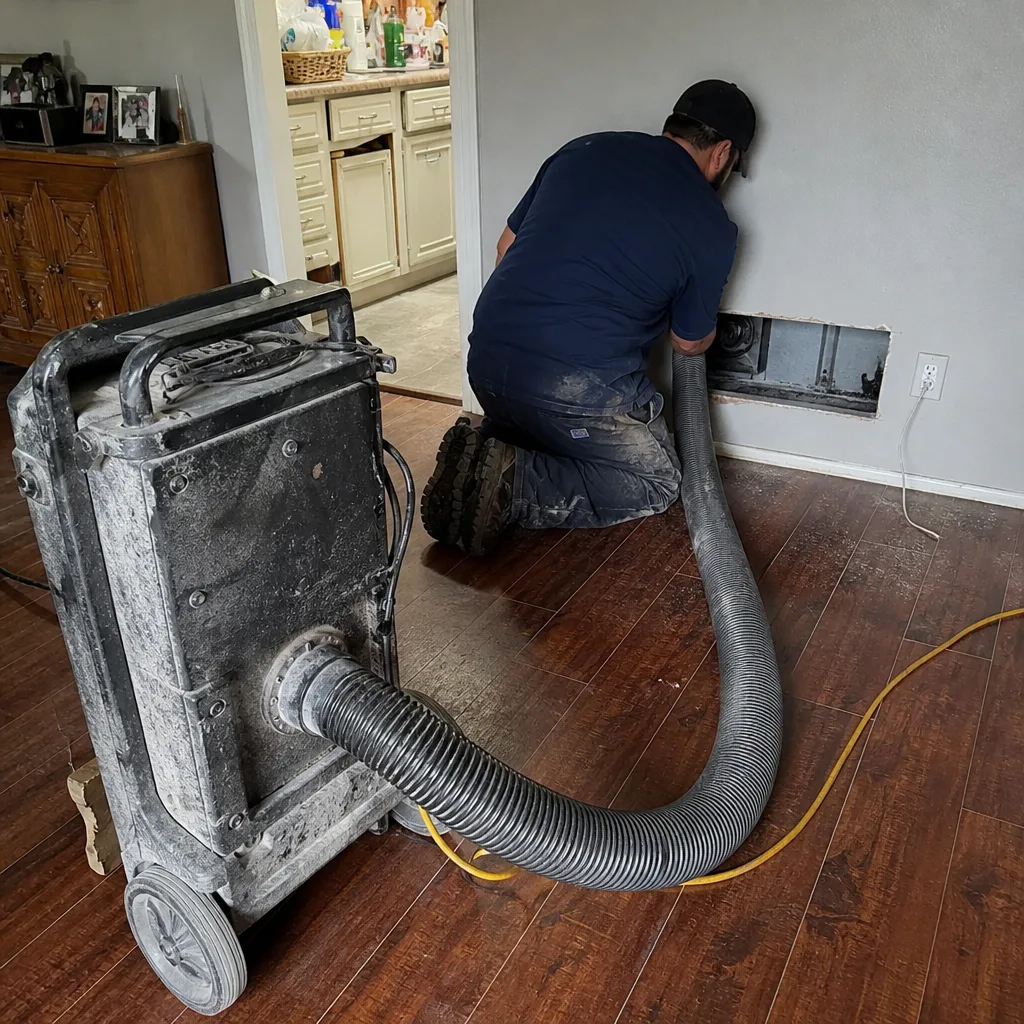 Before
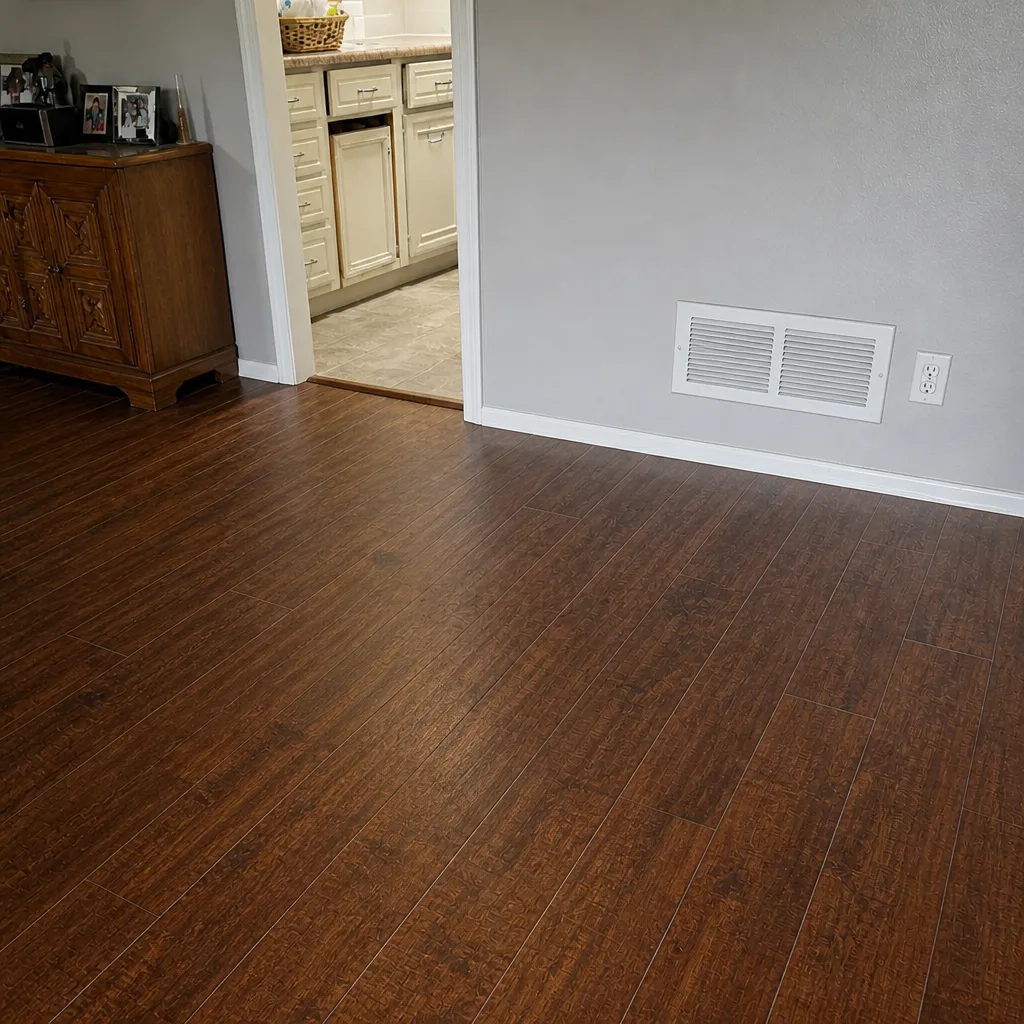 After
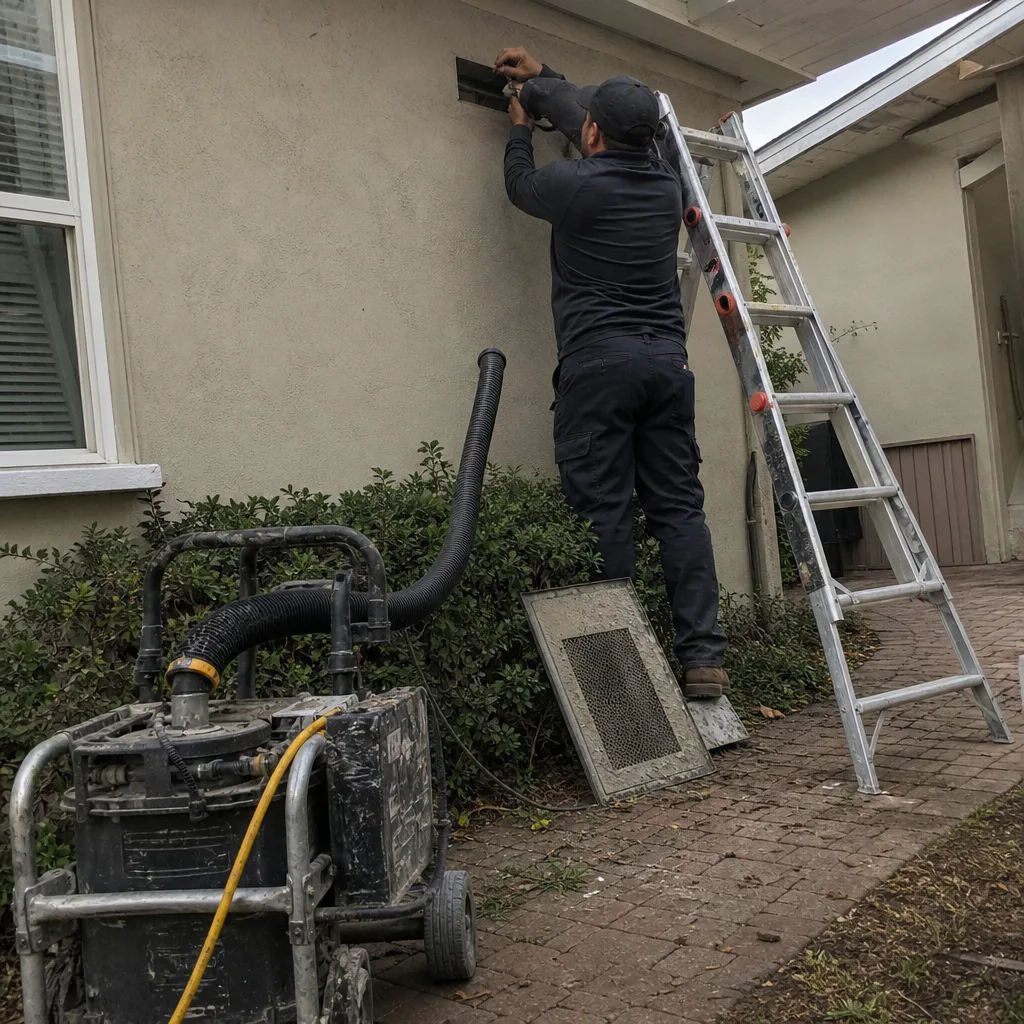 Before
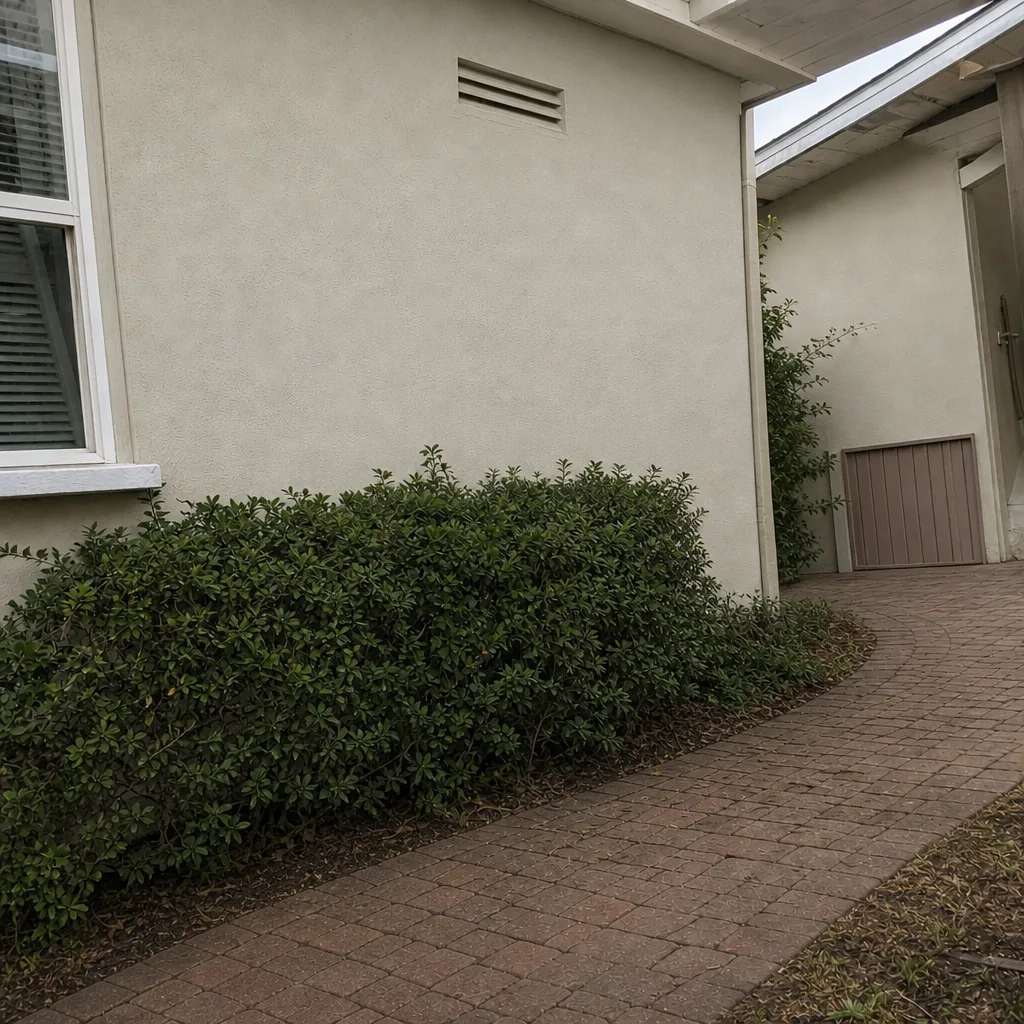 After
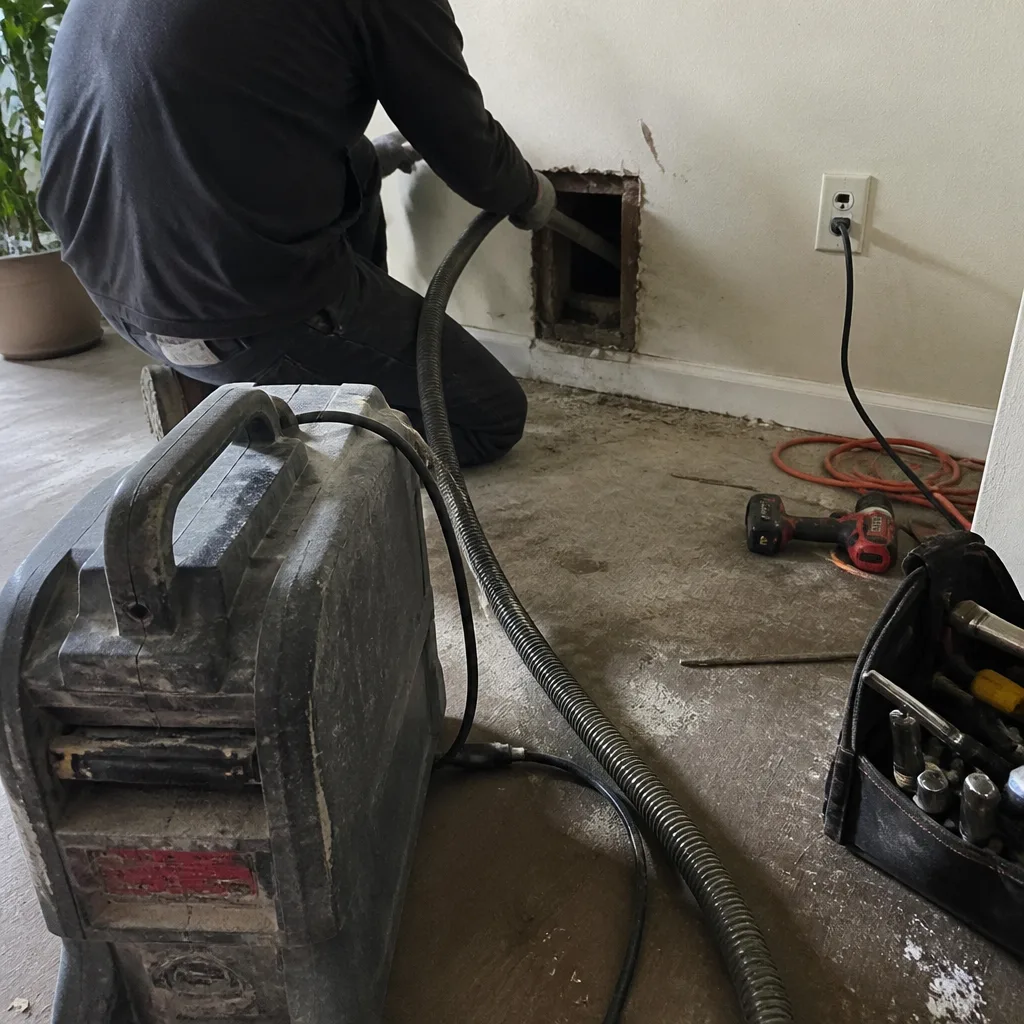 Before
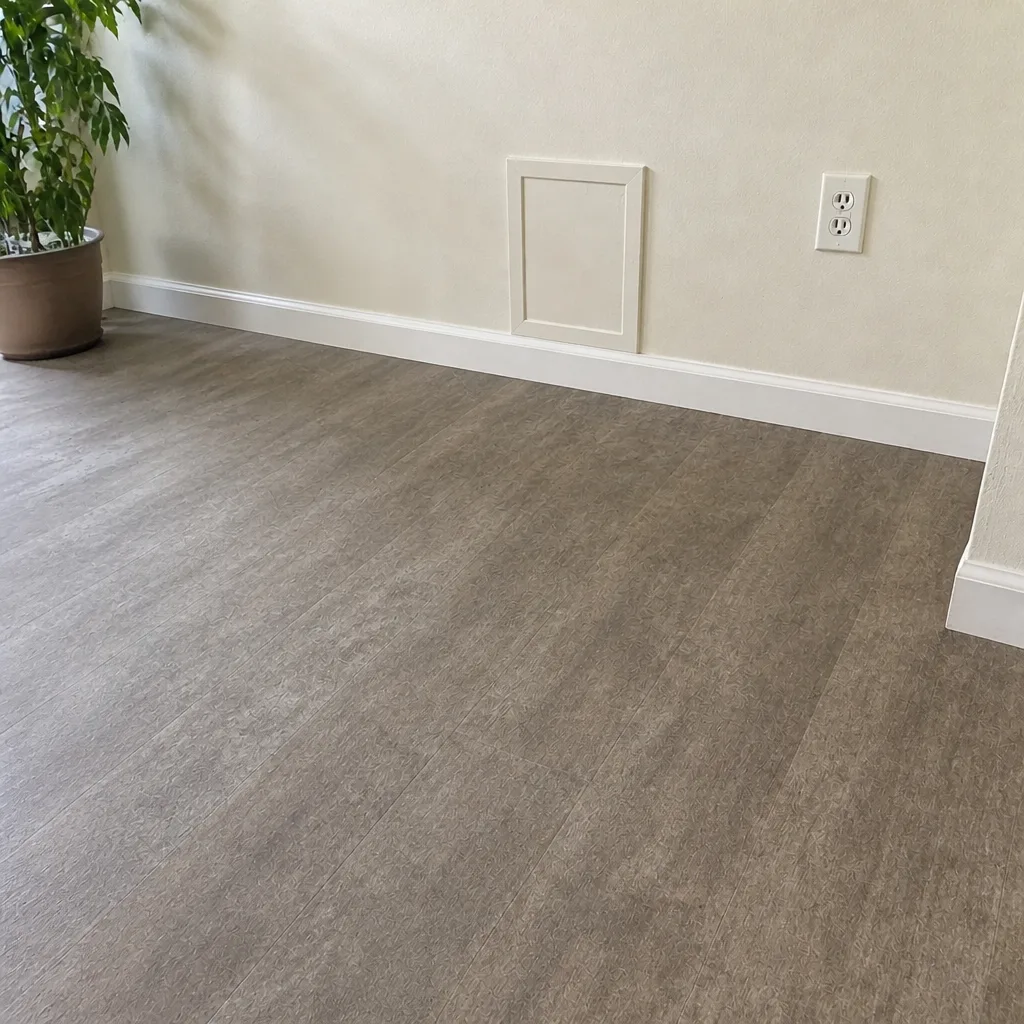 After