
Last updated November 22, 2026
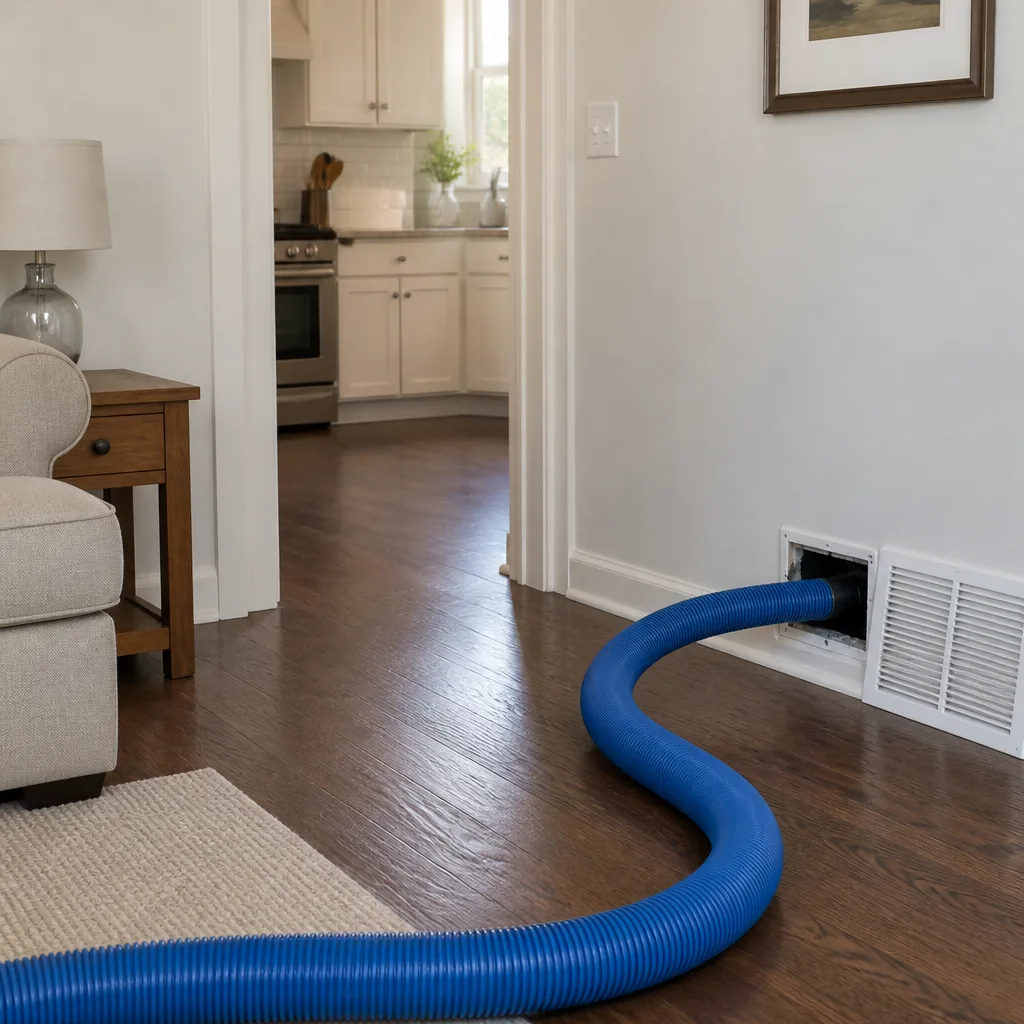 Whole-home duct cleaning
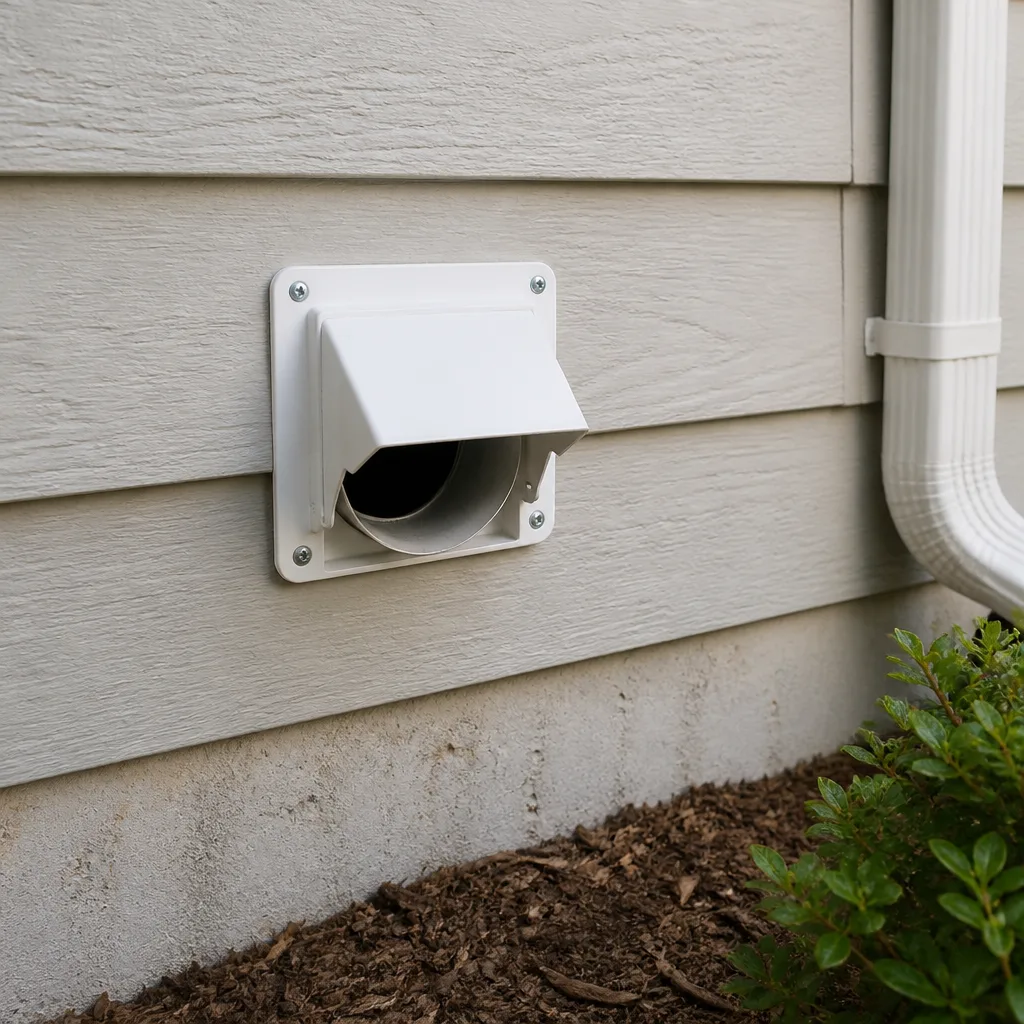 Dryer vent cleaning
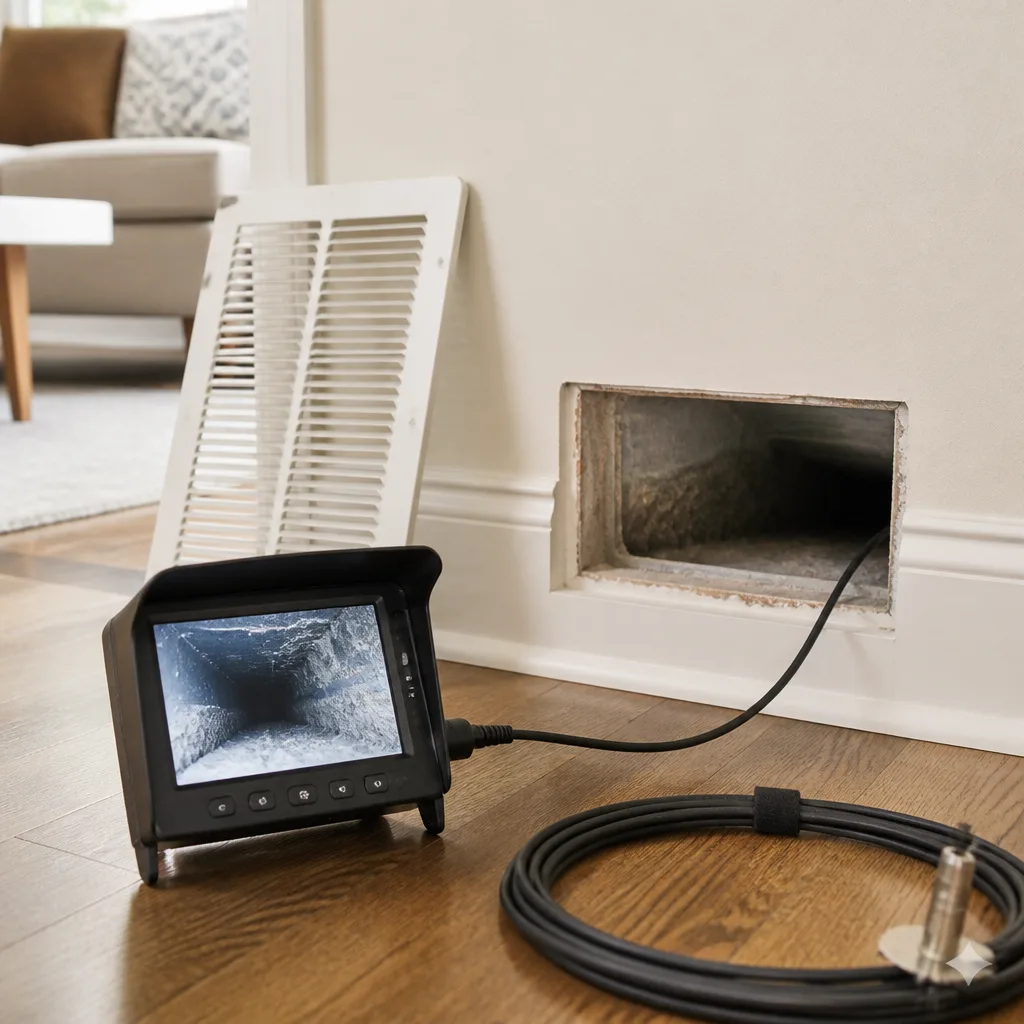 Camera inspection
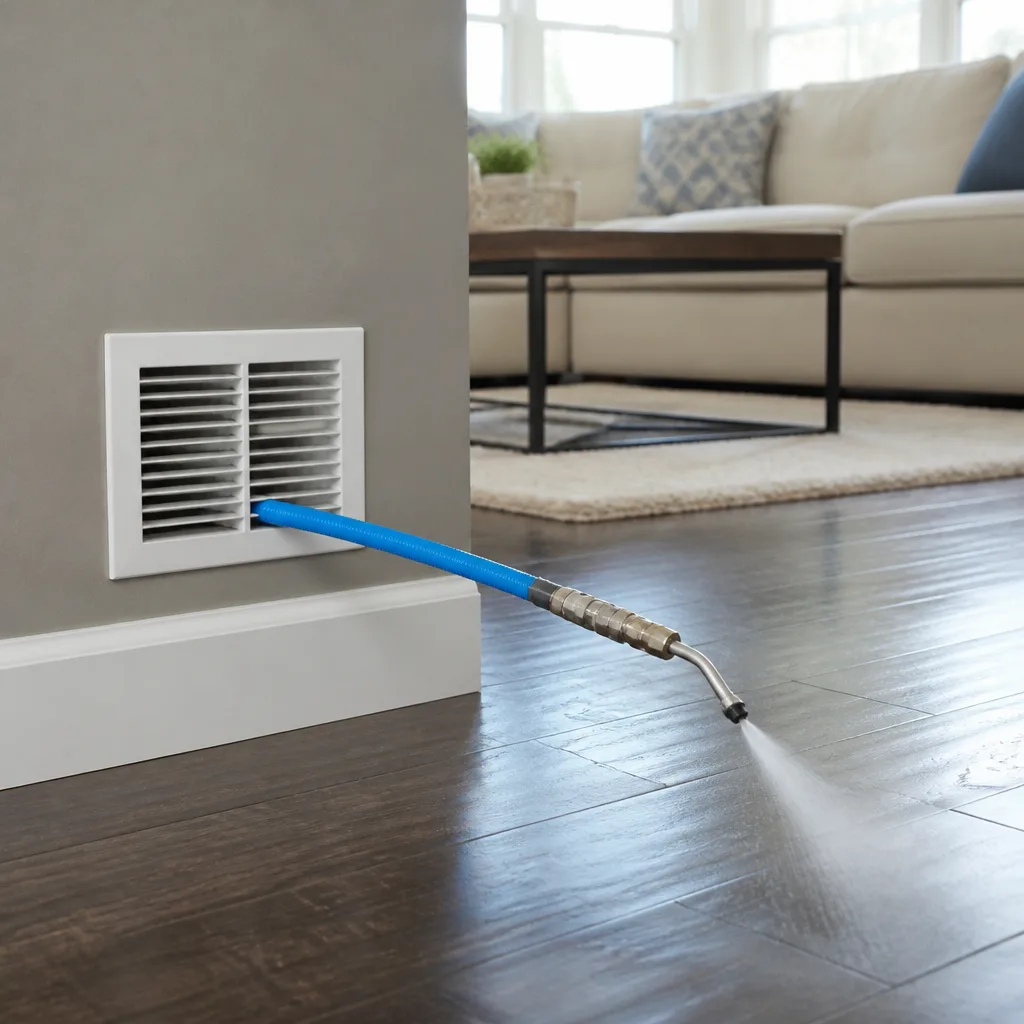 Sanitizing & deodorizing
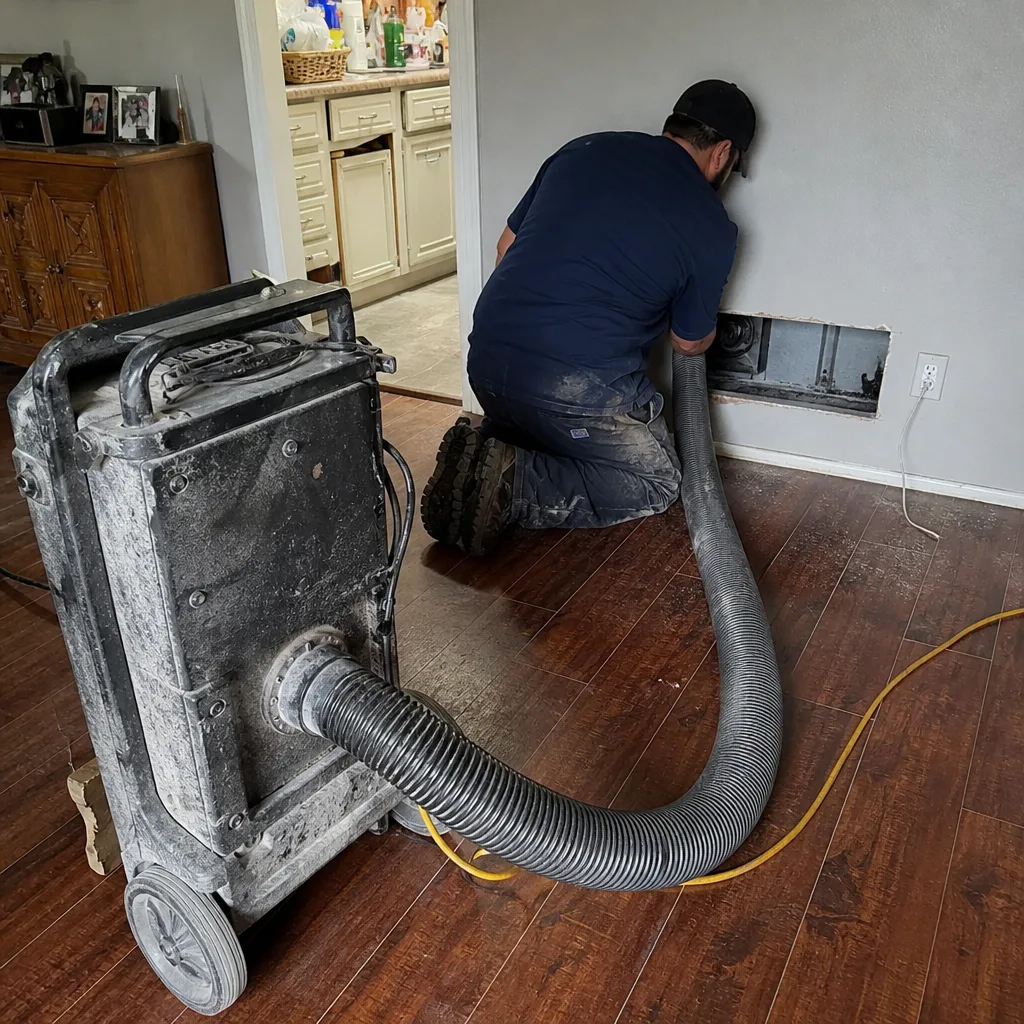
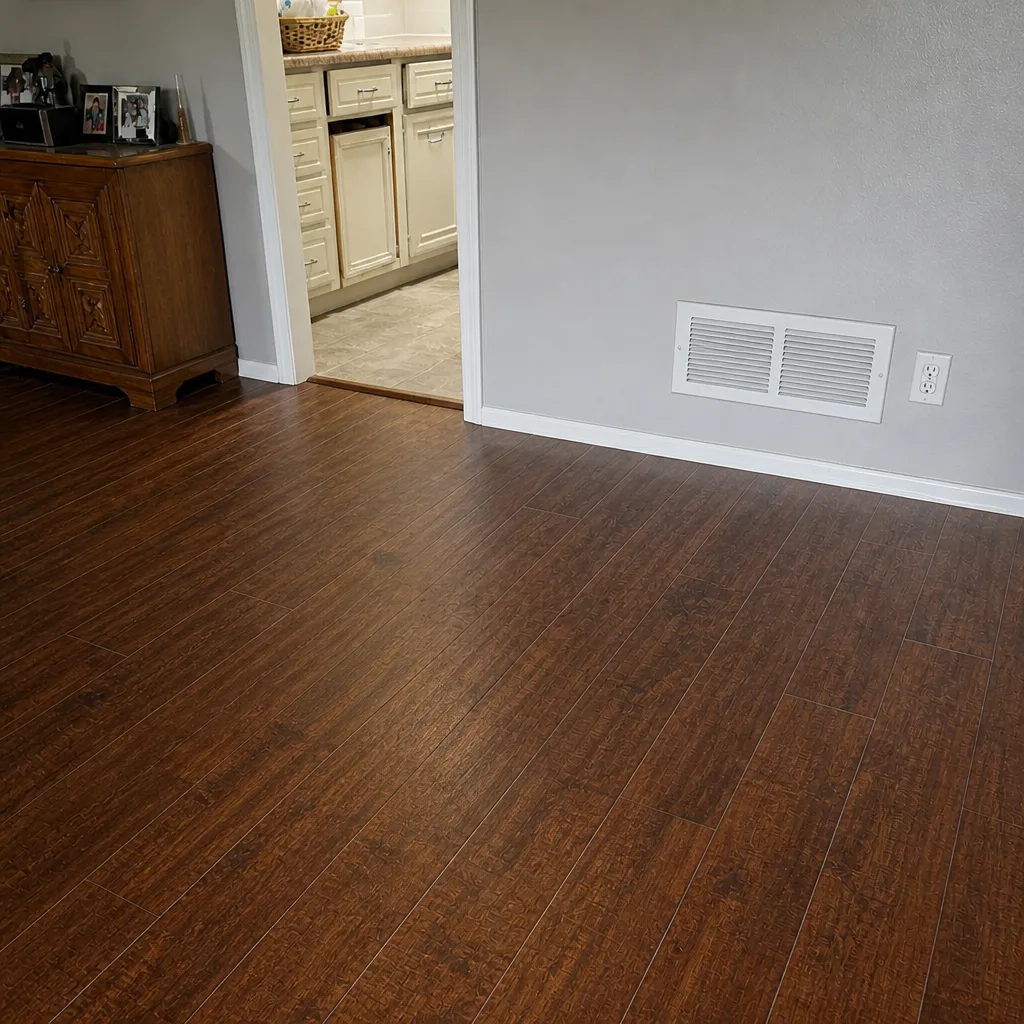
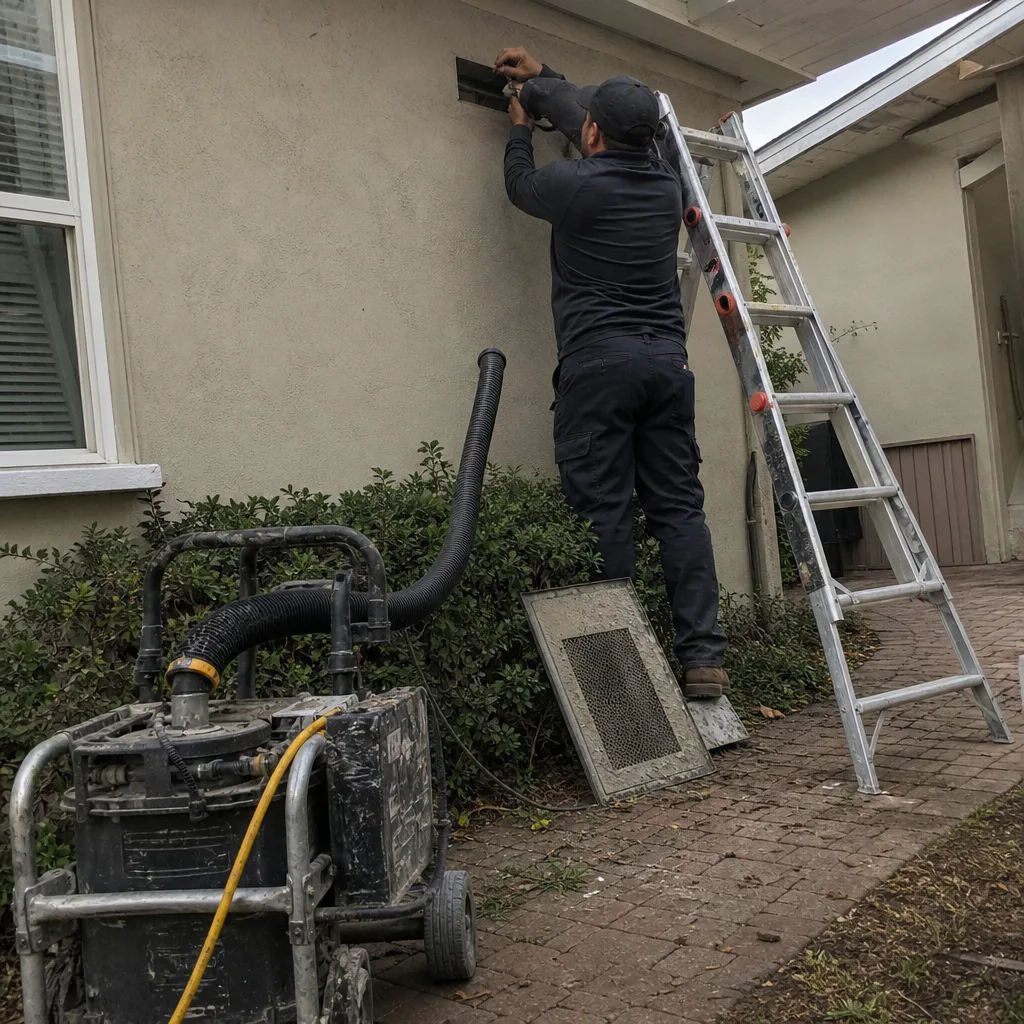
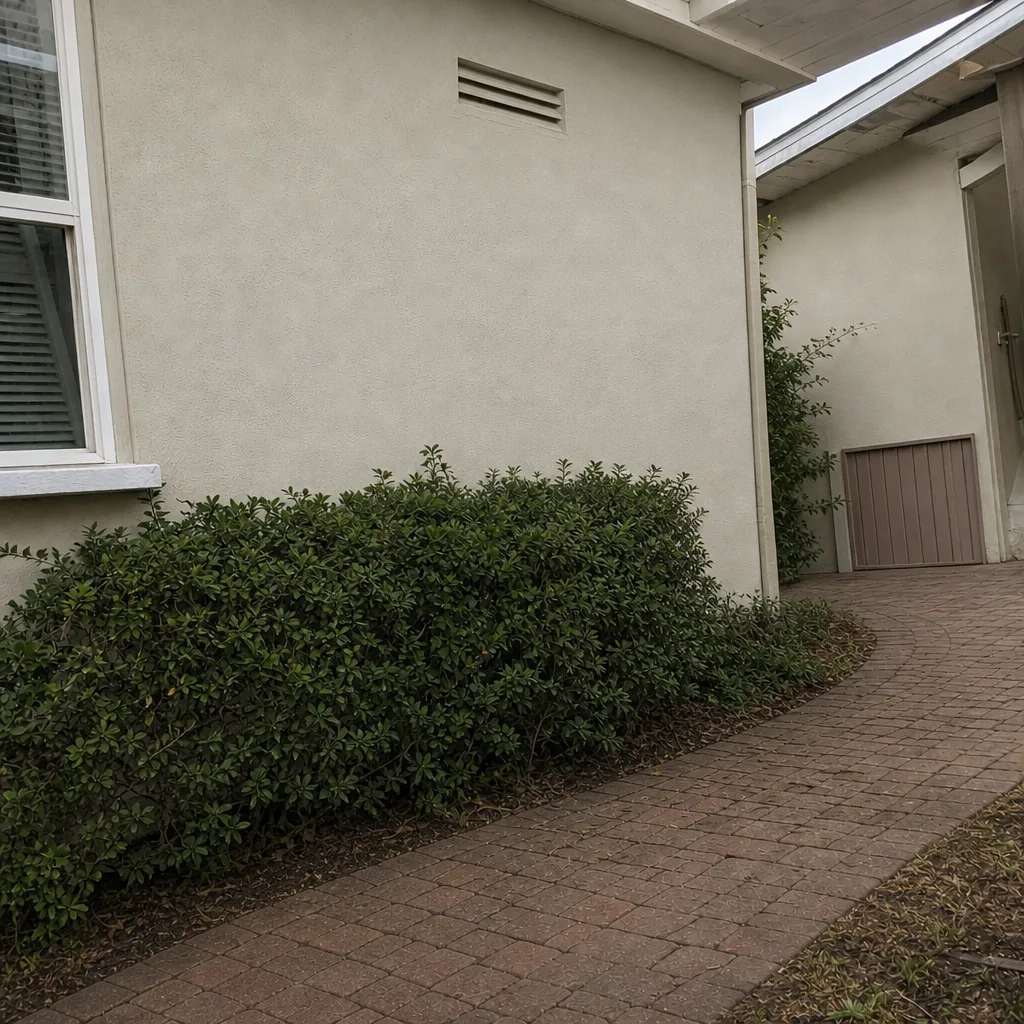
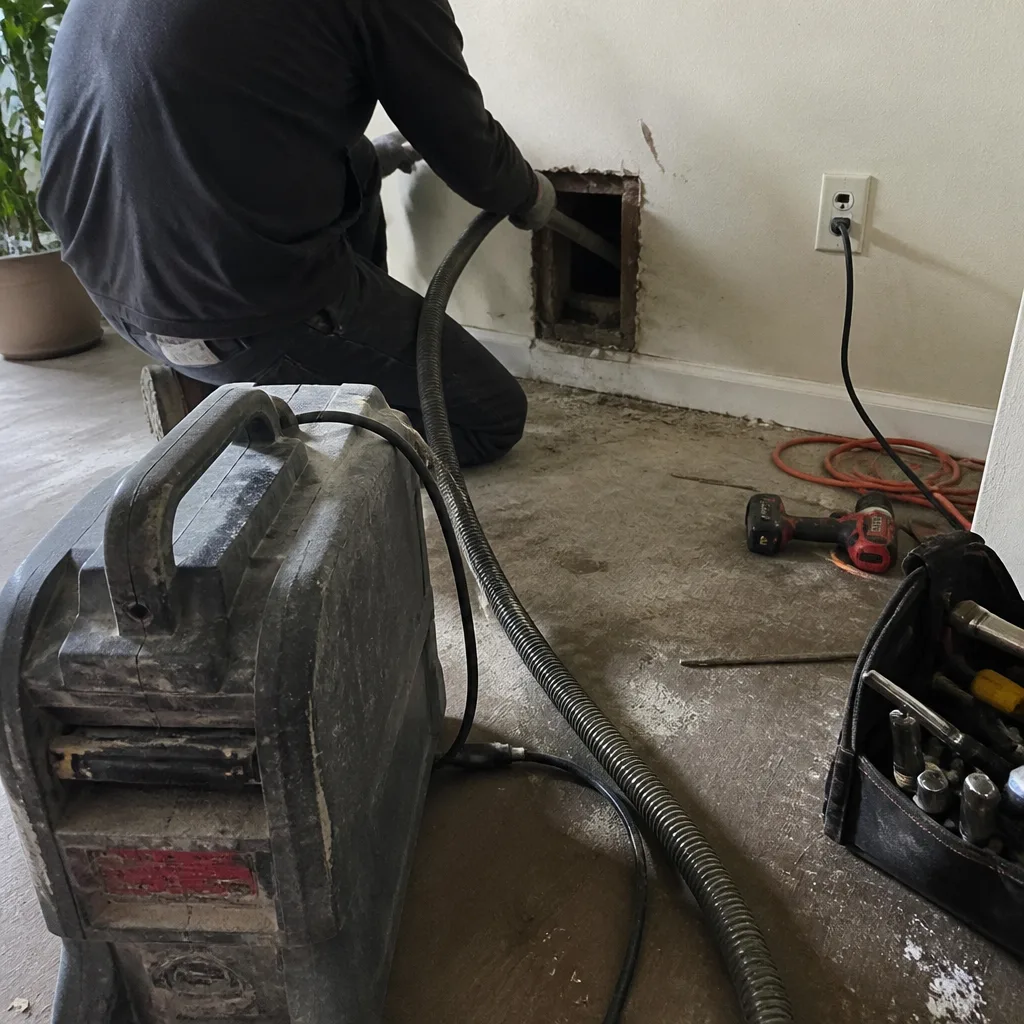
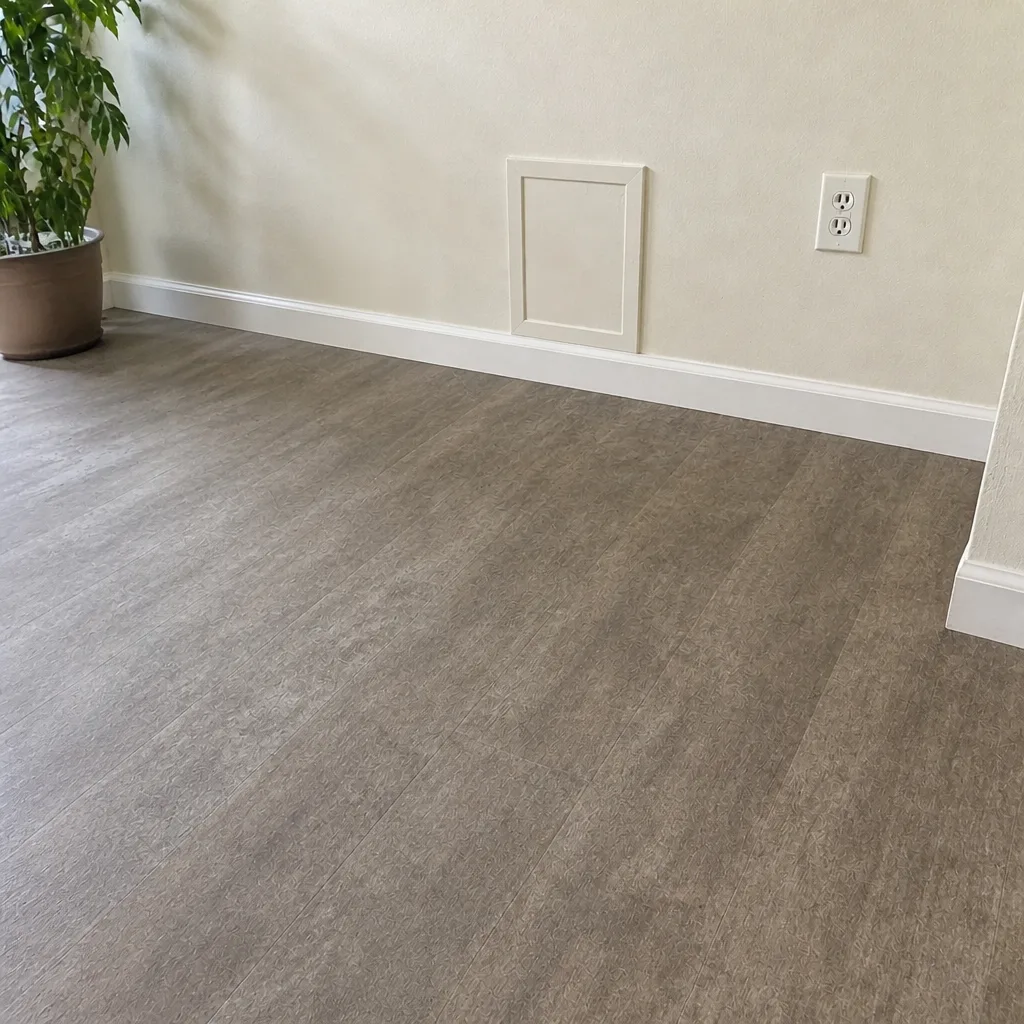
Whole-system duct and dryer vent check with before-and-after photos - you see exactly what came out of your vents
That "$99 whole-house special" is a bait ad - the real number appears once they are in your hallway, or the "clean" is a shop-vac at the register. We photograph the inside of your ducts before and after instead.
How to Hire an Air Duct Cleaning Contractor in Highland Park: A Step-by-Step Guide
Here’s the part of the hiring decision that surprises most Highland Park homeowners: California doesn’t require a specific license to offer air duct cleaning. There’s no state credential that proves the person at your door knows what negative pressure means or can tell a rotary brush from a shop vacuum. That doesn’t mean the industry is lawless. It means the screening is on you, and it’s only as good as the questions you ask before anyone touches your system. This guide gives you those questions, the equipment specs worth requesting, the pricing patterns that signal bait-and-switch, and the checks that confirm a job in a Highland Park home was done right.
Quick Answer
To hire an air duct cleaning contractor in Highland Park, ask four things before you book: what vacuum system they use (it should be HEPA-rated and set up to keep your home under negative pressure), what brush or agitation method loosens debris, whether they do camera inspection, and how they report post-service findings. Then insist on a written, whole-system price agreed before work starts, not a per-vent rate or a coupon figure. Legitimate providers in California can’t lean on a state license to prove competence, so the equipment, the walkthrough, and the report are the proof.
Styles & brands we work with
- Whole-home duct cleaning
- Dryer vent cleaning
- Camera inspection
- Sanitizing & deodorizing
Table of Contents
- Why California Licensing Matters When You Hire for Duct Cleaning
- What Contractor Credentials Actually Mean
- The Four Equipment Questions to Ask Any Contractor
- How to Spot Bait-and-Switch Pricing Before the Visit
- What a Legitimate Pre-Service Walkthrough Looks Like
- How to Read the Post-Service Report and Verify the Work
- What Makes a Professional-Level Job Different
- Common Mistakes to Avoid
- When to Call a Professional
- Frequently Asked Questions
Why California Licensing Matters When You Hire for Duct Cleaning
California does not require a specific license to perform air duct cleaning. That single fact shapes everything in this guide. Your general contractor, your electrician, your plumber, all carry state credentials you can look up. A duct cleaner across most of Highland Park may carry a business license, insurance, and nothing else specific to the trade they’re selling you. When a competitor claims to be “licensed and certified” without telling you which license or which certifying body, treat that sentence as a marketing placeholder, not a credential.
What does carry weight is verifiable third-party training and membership. NADCA, the National Air Duct Cleaners Association, issues its ASCS certification for air systems cleaning specialists. The EPA’s public guidance on cleaning home air ducts sets out a broad, sensible standard for what a real job includes. A regional or industry affiliation you’ve never heard of, printed on a magnet or a door hanger, doesn’t. Anyone can print a logo.
Because the state doesn’t fill the gap, Highland Park homeowners shoulder more of the vetting than homeowners in trades with mandatory licensing. The practical protection comes from three things: the language in the written estimate, the equipment a contractor brings, and the documentation they leave behind. Our own technicians have up to 8 years of experience, and we’ve learned that a homeowner who knows the right four questions filters out weaker operators faster than any credential check.
Two Highland Park-specific wrinkles make careful vetting matter more here than in some other California towns. Many of the homes in the neighborhoods around Figueroa Street and York Boulevard are older stock with ductwork that has been added to or rerouted over time, so a full-system assessment beats a quick pass. And because the climate here is mild and rarely stresses HVAC equipment at the margins, some homeowners go years without thinking about their ducts at all, which makes first-time or never-cleaned systems common. That is exactly the customer a careful operator should be able to help.
What Contractor Credentials Actually Mean
Credentials break cleanly into two buckets: those that reflect verified training, and those that reflect nothing beyond a website page. Knowing which is which protects you.
Credentials worth checking
- NADCA membership and ASCS certification. The National Air Duct Cleaners Association holds members to a published cleaning standard. Their Air Systems Cleaning Specialist certification requires training and a passing exam. Ask which technician holds it.
- Adherence to EPA guidance. The EPA publishes recommendations for residential duct cleaning. A contractor who can speak to that guidance, and to why source removal matters, is signaling training you can trust.
- Proven equipment partnerships. Using tooling from recognized manufacturers like Rotobrush for rotary brush systems or Abatement Technologies for negative-air equipment signals a business that invested in remediation-grade gear, not a home built around a generic shop vacuum.
Credentials that mean little on their own
- “Certified” with no certifying body named.
- A logo on a flyer that isn’t findable independent of the company.
- “Licensed and insured” claims without an insurance certificate available on request.
Ask directly: “Which certifying body, which certification, which tech holds it?” A real answer comes back in one sentence. A vague one is a warning. Both of those credential conversations happen best before the crew is scheduled, not after the truck arrives in Highland Park. When our team connects a Highland Park homeowner with a local professional, we tell them to ask exactly this, and any pro worth booking can answer without shuffling.
The Four Equipment Questions to Ask Any Contractor
Equipment separates a real cleaning from a surface pass. These four questions are the ones that matter, and the answers should come without hesitation.
- What type of vacuum system do you use? Look for HEPA-rated vacuum equipment set up to keep the work area under negative pressure. Nikro HEPA vacuums capture fine particles and keep disturbed debris from crossing into your living space. A shop vacuum or a carpet-cleaning wand doesn’t qualify.
- What are your negative pressure specifications? Negative air machines, like those from Abatement Technologies, keep the workspace under at least a slight vacuum relative to the rest of the house. That’s how a professional-grade system prevents cross-contamination while a HEPA vacuum pulls debris out.
- What brush system do you run? Rotary-brush agitation, as found in Rotobrush systems, physically scours duct walls and loosens what vacuum suction alone would leave behind. Ask whether the brush is powered and adjustable for different duct sizes.
- Do you do camera inspection? A contractor with an inspection camera can show you debris, gaps, and crushed runs before and after cleaning. No camera, no verification that the job was done.
Each question maps to something you can check. If the answers arrive consistently, you’re dealing with a full-system professional. A Highland Park home with an older duct layout benefits especially from camera inspection, because a hidden run that collapsed behind a wall is a repair problem, not a cleaning problem, and the camera is how you find out before you pay.
How to Spot Bait-and-Switch Pricing Before the Visit
The classic duct cleaning complaint starts with a low headline price. A coupon advertises “duct cleaning from two digits,” you book it, the technician arrives, and the final invoice lands several times higher once the fine print gets explained on site. Every serious operator knows the pattern. You can catch it before scheduling.
- Per-vent pricing. Quotes that count vents or registers are a set-up for upselling. A proper job prices the whole system, not the number of openings.
- Teaser coupon pricing. A price that could not cover a real job with proper equipment and time. It’s bait.
- Anything labeled “add-on” that belongs in the base job. Sanitizing or furnace cleaning should be a separate, clearly scoped service, not hidden surprise fees added mid-visit.
- “Free inspection” as the hook. If inspection is the front door and the actual cleaning price is set on-site, the price is a sales tool. A written estimate before the visit fixes this.
The protection is simple: ask for a written, whole-system price agreed before work starts, and ask what, if anything, would change that number. At our company, one flat price per system is set in advance, we photograph the system before and after, and no per-vent price ever appears on a quote. Our price is set per job by the written estimate, with no per-vent meter and no coupon figure. No bait-and-switch means the number you agree to is the number you pay.
When a Highland Park homeowner has had a previous cleaning that felt rushed or incomplete, the refund doesn’t fix the system. The next cleaning does, and the best way to guarantee it is to lock the price down before anyone shows up.
What a Legitimate Pre-Service Walkthrough Looks Like
Before a single tool comes out, a professional walks the home. That walkthrough is the contractor’s diagnostic, and you should expect to see it every time. Here is what it should include, in order:
- Register count in every room. So the written quote matches the actual system, not a guess on the phone.
- Return and supply inspection. A quick check of each opening for visible dust, debris, and crushed or disconnected runs.
- Furnace or air handler access. The technician checks the blower and filter, because a dirty blower undoes clean ducts.
- Camera look at the main trunk. That’s where fine debris accumulates and where a leak in the duct connecting to the living space usually shows up.
- Written scope and price. What will be cleaned, what will be inspected, and what would trigger a separate repair or sealing service.
That walkthrough should feel like an assessment, not a sales pitch. If the discussion moves straight to a list of add-ons before the inspection is complete, the sequence is wrong. Our team is upfront about this: a Highland Park home that has never had a cleaning deserves a thorough walk, and that walk may turn up a duct repair the homeowner didn’t know was needed. Better to discover that before, with a written price and before-and-after photos as proof.
One more element separates serious operators: honesty about what cleaning can and can’t do. If a contractor can’t explain what a cleaning will fix and what would need a separate air duct cleaning follow-up versus a duct repair job, that’s information you’ll want to know before signing. Ask for the walkthrough finding out loud, and watch for specificity.
How to Read the Post-Service Report and Verify the Work
The job isn’t done when the vacuum shuts off. It’s done when you’ve seen what changed and can confirm it. Ask for these four things.
- Before-and-after photos. Not marketing photos from a stock library, but images of your own ducts, registers, and air handler.
- Camera footage of the main trunk. Same view, same location, before and after. That is the clearest proof of removal.
- A written scope showing what was cleaned. Every register, trunk run, and return should be listed. If the report lists “all vents” without a count, ask for the count.
- Notes on debris removed and on any issue found. Debris volume doesn’t need to be measured in pounds, but the technician should be able to describe what came out and whether anything pointed to a leak or a repair need.
Pay attention to what is conspicuously missing. A report with no photos, no camera footage, and no register count is not a report. It’s a receipt. And a cleaning you can’t verify isn’t one you can trust, even when the invoice was right. Highland Park homeowners with health concerns get the most value from a report they can actually read and compare year to year, so save the photos and the scope document.
The report is also where your next maintenance decision comes from. If the technician flags a gap, a crushed run, or a return pulling air from unconditioned space, that’s a real HVAC cleaning and repair conversation, not a repeat cleaning conversation. Duct repair and sealing prevents the same contamination from re-entering after a clean, and that’s the diagnostic value a report delivers.
What Makes a Professional-Level Job Different
The gap between a serious job and a quick pass comes down to two things: agitation and containment. High-pressure suction alone disturbs debris in your ducts without reliably removing it, and if the debris crosses into the living space, the job can leave your indoor air no better than before. Professional-grade systems address both at once. Rotary-brush agitation loosens what sticks to the duct wall. HEPA extraction captures what’s freed. Negative pressure keeps the whole exchange inside the system where it belongs.
Full scope of the work also matters. Our service menu runs five areas: air ducts, dryer vents, HVAC systems, duct repair and sealing, and air sanitizing. Each has a distinct purpose, and a Highland Park home that books one should not need a handoff to a different provider for the next. A full-system approach means the technician evaluates the entire airflow picture, from return registers through the air handler to your supply runs, using equipment from recognized manufacturers. Most operators stop at the visible debris. A full-system professional looks at duct condition, airflow restriction, seal and fit, and where any previously cleaned sections have been refouled.
Our technicians have up to 8 years of experience, and that tenure shows up in knowing which problems a cleaning will resolve and which need a repair. Our team is honest that “state-of-the-art” means nothing without the manufacturer names behind it. Rotobrush, Abatement Technologies, and systems built on Honeywell and Aprilaire air quality components are the ones our connects work with. That’s information you can verify, not marketing you have to believe. When a Highland Park homeowner knows what to ask, they can tell the difference within one or two questions.
Common Mistakes to Avoid
- Hiring on price alone. The cheapest quote is the one most likely to sell you a coupon visit and invoice far more once the technician is on site. Price matters, but a whole-system written price matters more.
- Skipping the walkthrough. Booking a cleaning over the phone without a pre-service walkthrough leaves you without a written, register-by-register scope. That gap is where disputes start.
- Confusing a marketing badge with a credential. “Licensed and certified” without a certifying body named isn’t a credential. Ask which body, which certification, which technician.
- Not asking what equipment will come to your home. Shop vacuums and carpet cleaning wands are not HEPA-rated and don’t run under negative pressure. The equipment question is the first filter.
- Not asking for camera inspection. Without it, nobody, including you, can confirm debris removal happened. The camera is the proof in a Highland Park home with older duct layouts.
- Leaving without the report. A job without before-and-after photos, a register count, and a written scope is unverifiable. Save the report even if the cleaning felt thorough.
- Booking a duct cleaning when the real problem is a leak or gap. Cleaning a leaking system only buys a few months until it refouls. Duct repair and sealing should be part of the discussion, not an add-on left for later.
When to Call a Professional
Some symptoms call for professional equipment, not a homeowner’s shop vacuum. You should call when you can see debris or dust buildup around registers or return grilles. You should call when the home has never had its ducts cleaned, or when it changed hands recently and the previous maintenance history is unknown. You should call after a renovation, because construction dust travels straight into returns and settles in trunk runs the homeowner can’t reach. You should call when the HVAC system cycles more than it should or when the supply air feels weak at some registers and strong at others. You should call if anyone in the household has respiratory concerns and suspects the ductwork, or if a previous cleaning never felt thorough. Our team at Highland Park Air Duct Cleaning Pros offers free estimates in Highland Park. Call (844) 702-0753. We answer 24/7. Fast dispatch from 7am to 7pm, Sunday through Friday.
Frequently Asked Questions
Most residential whole-system cleanings in Highland Park run on a written, per-system price agreed before work starts, not a per-vent meter or a coupon figure. The exact number depends on the number of registers, trunk runs, and whether HVAC cleaning, duct repair and sealing, or air sanitizing are also needed. Call (844) 702-0753 for an exact quote. Estimates are free.
Cheap quotes are usually teaser prices that get expanded on site into add-ons and per-vent charges. If the number on the phone sounds far below the market, ask for a written, whole-system price before anyone shows up. A real operator quotes the system, not a coupon. Call (844) 702-0753 for an exact quote. Estimates are free.
Ask for before-and-after photos of your own system and camera footage of the main trunk, plus a written scope listing every register cleaned. A professional leaves behind a report you can read, not just an invoice. Our team photographs the system before and after, every visit. Call (844) 702-0753 for an exact quote. Estimates are free.
Duct cleaning in Highland Park doesn’t need yearly maintenance the way furnace filters do. It should be done when registers show visible buildup, after a renovation, or when you’ve moved and the home’s history is unknown. Many households go several years between cleanings and are fine. Call (844) 702-0753 for an exact quote. Estimates are free.
No. California doesn’t issue a specific license for air duct cleaning, so vetting lands on the homeowner. Ask which technician holds NADCA’s ASCS certification, what HEPA-rated equipment will be brought, and whether camera inspection is included. Those answers tell you more than any “licensed and certified” claim. Call (844) 702-0753 for an exact quote. Estimates are free.
By default, duct cleaning covers the duct system, not the air handler or blower. Full-system work is a separate scope that should be quoted in writing so you know what’s included. Ask explicitly whether the HVAC cleaning is included or additional, and get it in the written estimate. Call (844) 702-0753 for an exact quote. Estimates are free.
Yes, provided a full walkthrough and written scope come first. A home in Highland Park with an older duct layout deserves camera inspection and a register-by-register assessment, so the first visit isn’t a quick surface pass. Ask for the walkthrough and refuse to book without it. Call (844) 702-0753 for an exact quote. Estimates are free.
If you suspect your ductwork is undermining your indoor air quality, our team at Highland Park Air Duct Cleaning Pros handles the full air system under one provider, and our team can also schedule dryer vent cleaning alongside a duct service so nothing gets handed off.
The Bottom Line
California doesn’t license duct cleaning, so your screening questions are the license. Ask about the HEPA vacuum and negative pressure setup, the rotary brush system, and camera inspection. Refuse per-vent pricing, insist on a written whole-system price, and expect a full walkthrough before any work starts. Then judge the job by the report you carry away: photos of your own ducts, a register count, and the scope of what was cleaned. A Highland Park homeowner who asks these questions filters out the operators who sell coupons and leave dust behind. The rest are worth your time.
If you’d rather not screen alone, our team at Highland Park Air Duct Cleaning Pros starts every Highland Park estimate with the same walkthrough. Call (844) 702-0753 for a free estimate. We answer 24/7. Fast dispatch from 7am to 7pm, Sunday through Friday.
Written by the team at Highland Park Air Duct Cleaning Pros.
See the difference
 Before
 After
 Before
 After
 Before
 After